Instinctive dog behaviours
Learn more about your pet's natural reactions to instinctive behaviour
WHEN YOUR DOG ACTS ON INSTINCT
Approximate reading time: 6 minutes
To give your pet the attention and care they need, it is important to know which behaviours they can acquire through education and training, and which other attitudes are instinctive or innate. These are produced because your dog has this information in their genes, inherited from their ancestors, which determines their natural way of reacting to certain stimuli. This means that some of the movements, habits and abilities that you observe in your pet on a day-to-day basis are instinctive, i.e. they are not learned from their environment, but are developed automatically or have a predisposition that makes them easier to teach.
Table of contents
- Why do dogs have innate behaviours?
- Does training cancel innate behaviours in dogs?
Dogs, like humans, have instinctive behaviours that help them adapt to their environment and survive, such as survival, feeding or escape. Some of these attributes have been inherited from their wolf ancestors. Both animals adapted their natural instincts to communal living in order to better survive and protect each other by forming packs. In these groups, the leader was not only the strongest, but also the most adaptive and reliable, while the other members fulfilled different roles. Through natural selection, the most optimal behaviours were passed on from generation to generation until today, when many of these traits have no function in domestic dogs, but remain as a trace of their wild past.
On the other hand, genetic selection of dogs has made it possible to breed breeds with certain enhanced instincts, such as hunting, guarding or herding, to give a few examples. These are the most common instinctive behaviours in dogs - have you ever noticed any of them in your furry friend?
1. Digging
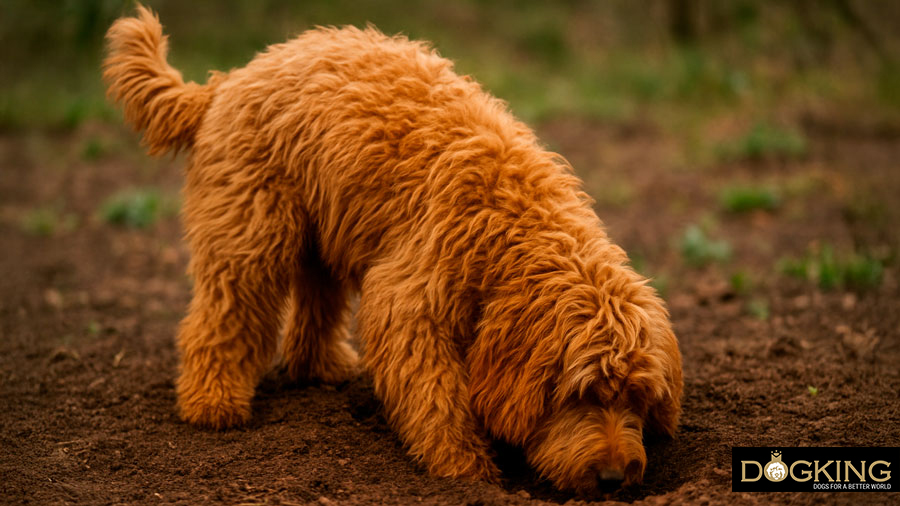
Have you ever caught your dog digging a hole in the garden or park? Although this behaviour could have psychological causes related to anxiety, it is very likely that your dog is doing it out of instinct. Some breeds, such as terriers and yorkshires are more likely to dig in the ground, as in the past they were used to collecting small prey such as rats or rabbits. If your dog is digging in an area where it is not allowed or does it compulsively, you should correct it and contact a trainer to assess the case and rule out any behavioural problems.
2. Herding
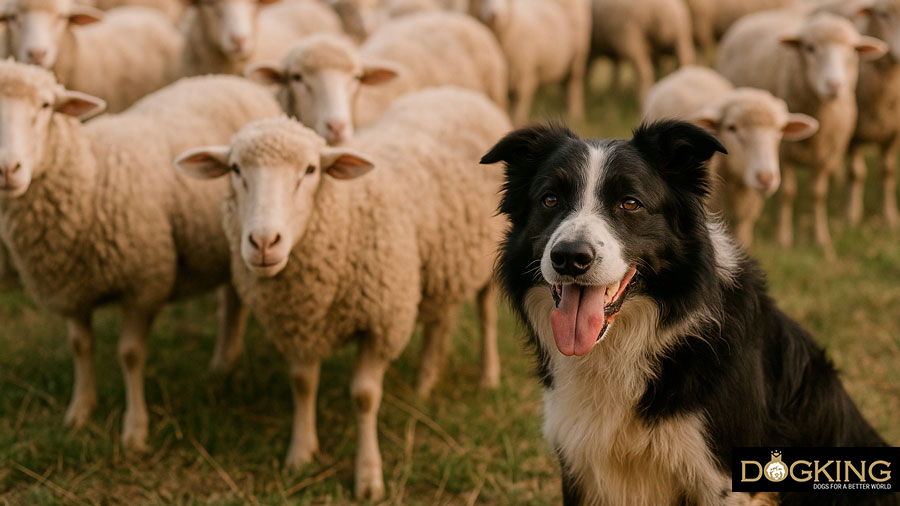
Although there are fewer and fewer shepherds left and therefore fewer dogs to accompany them, in the past it was very common for these workers to use the help of breeds such as border collies and sheepdogs to control livestock. Of course, this genetic information remains today, so if your pet is one of these breeds you may have seen them trying to herd people or children. This is a natural attitude that you should not cut off, but neither should you encourage it, as behavioural deviations may occur.
3. Body language
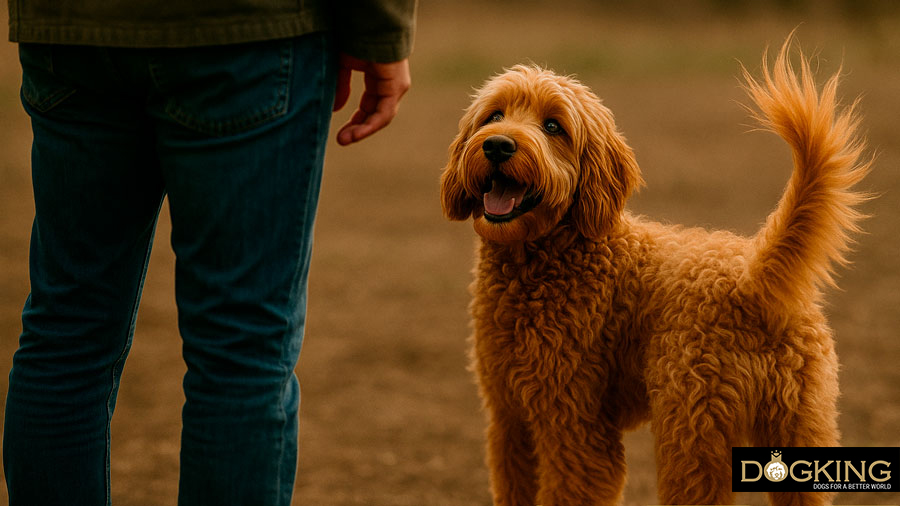
Dogs do not speak with their voice, but they do speak with their body. The whole repertoire of gestures and movements of the different parts of their bodies is undoubtedly instinctive behaviour. Lowering their ears to express submission, baring their teeth if they feel threatened, licking themself to calm down when they are anxious or wagging their tail when they are happy are some of the signals your dog naturally uses to communicate with you. And you, do you know what your pet wants to tell you when they ‘talk’ to you?
4. Signal
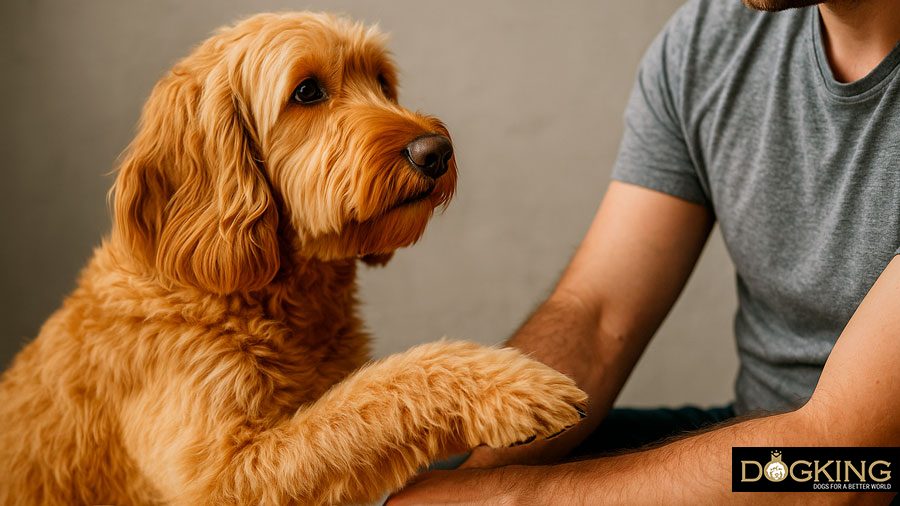
Some dogs have an innate habit of pointing at objects or people with their front paw. Obviously, it is a way of drawing our attention to that particular point. But do you know where this behaviour comes from? No, it has nothing to do with being taught to give the paw to you, but rather it is related to the instinct to point and retrieve prey that they had in ancient times, in the wild. Just as some dogs were responsible for hunting, others were responsible for indicating where the prey was by raising their paws.
5. Smell
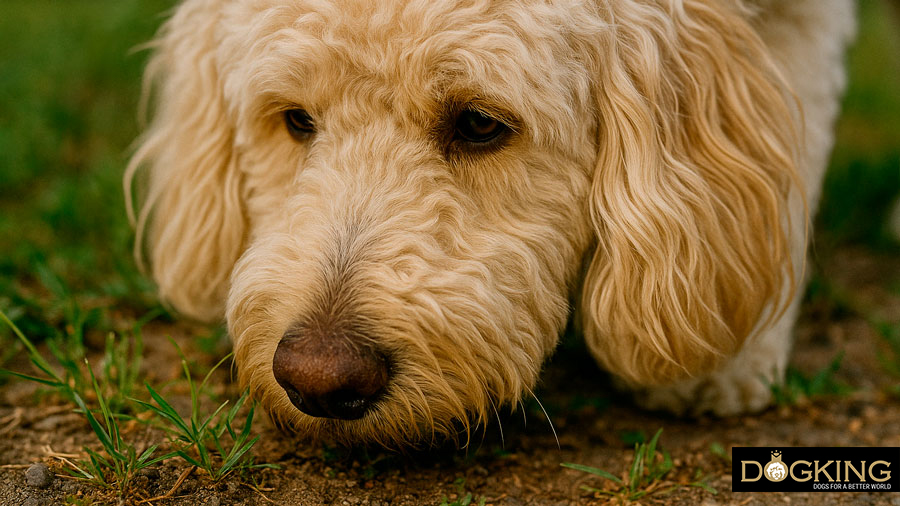
Smell is the most developed sense in dogs and the one they use to relate to their environment. It is extremely important for your pet to explore and catalogue all the olfactory stimuli that reach their nose and, for this reason, they may stop every now and then to sniff while you go for a walk. In this sense, although it is important that you socialise and teach your dog to walk calmly at your side without stopping every moment, we advise you to allow them to give free rein to this innate sniffing behaviour from time to time. Let them sniff other dogs, as this is the way these animals introduce themselves and greet each other. You can also train the most amazing of their senses by buying them a scent mat - it has many benefits!
6. Circle before lying down
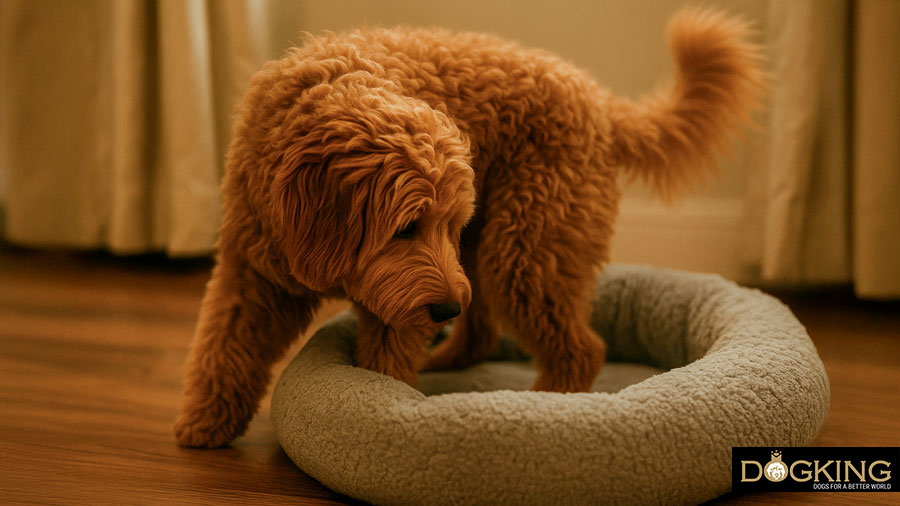
Not once, not twice, not three times. What's the record number of laps you've seen your dog do before lying down on their bed or the sofa? There are several theories as to the cause of this behaviour, which is undoubtedly hereditary. It could be to mark territory, to settle his spine or to make sure there are no threats anywhere nearby. If you see your dog circling before lying down, you don't have to do anything about it because it is natural for them and is not harmful at all.
7. Chasing their tail
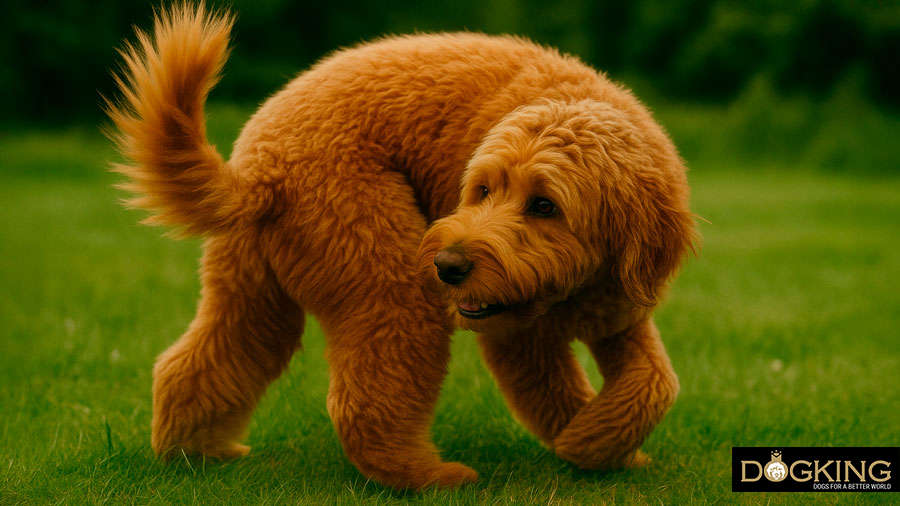
This behaviour of trying to chase their own tail is more typical of puppies and is completely harmless. The puppy is simply showing their curiosity and trying to play with this involuntary wagging part of their body. In adult dogs, it may be for the same reason if it is occasional, but if your pet chases their tail non-stop, it is necessary to take them to a vet to rule out behavioural or physical problems such as parasites or injuries in this area. Another cause could have to do with canine anxiety or obsessive disorder in dogs, so we recommend that you consult an ethologist or trainer if you have any doubts.
8. Carrying things
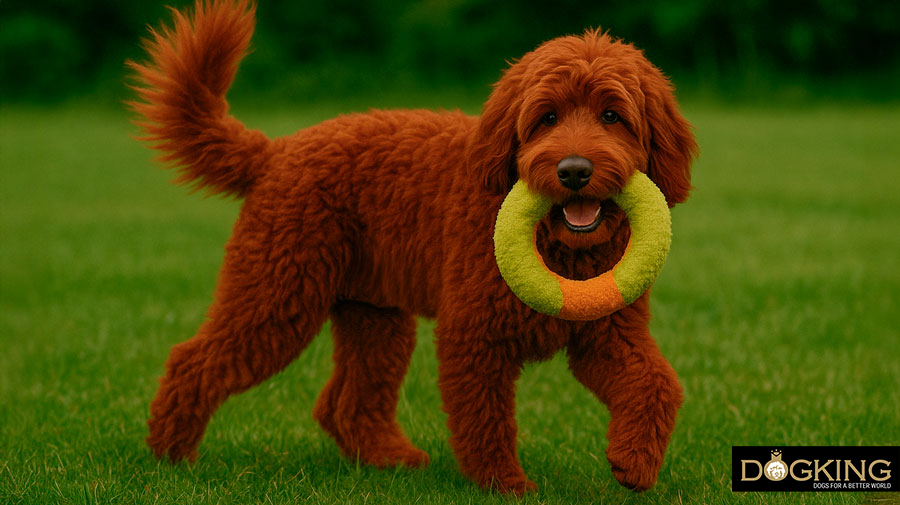
Have you ever caught your dog carrying your slippers, toys or other household items from one place to another? Some breeds, such as the golden retriever, have this instinct to move things because in the past they were responsible for fetching and delivering prey. This is why they have a naturally smooth and precise bite. Be careful, because some dogs may carry things as a way of calming themselves in the face of anxiety, so if you observe your pet fidgeting, going back and forth with objects in its mouth, consult your veterinarian.
Does training override innate behaviours in dogs?
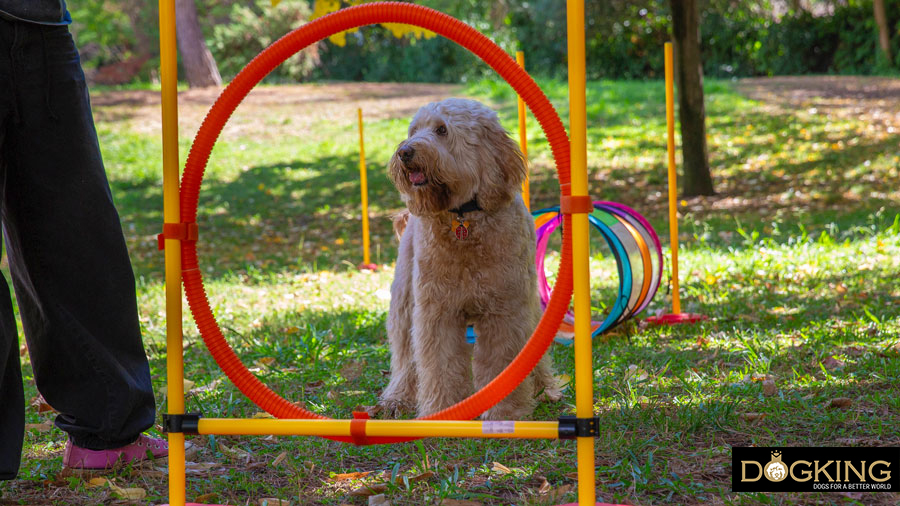
The natural instincts of dogs are something automatic and inevitable in them, although a correct education and socialisation can accentuate or calm them for their greater well-being and a better domestic coexistence. Training is key to the mental and physical health of your pet, so, regardless of their innate behaviours, try to offer them a healthy and stimulating lifestyle in which you are that reliable guide who manages their environment and resources to make them a calmer and happier dog every day.