Why does your dog take so long to choose where to poop?
Canine behavior and location selection
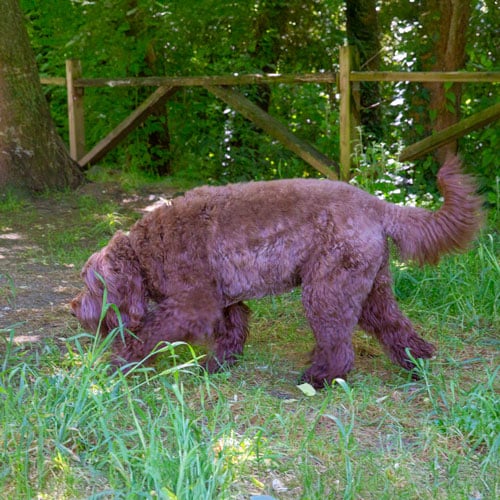
THE MYSTERY OF THE INDECISIVE DOG
Approximate reading time: 7 minutes
You've probably taken your dog for a short walk and despaired at how long it took them to relieve themself. Many dogs take time to sniff here and there, recognise their surroundings and, in short, choose a good spot for a wee or a poo. But don't think that this is just a whim. If you see your pet sniffing every lamppost and circling a thousand times before making up their mind, it could be for many reasons.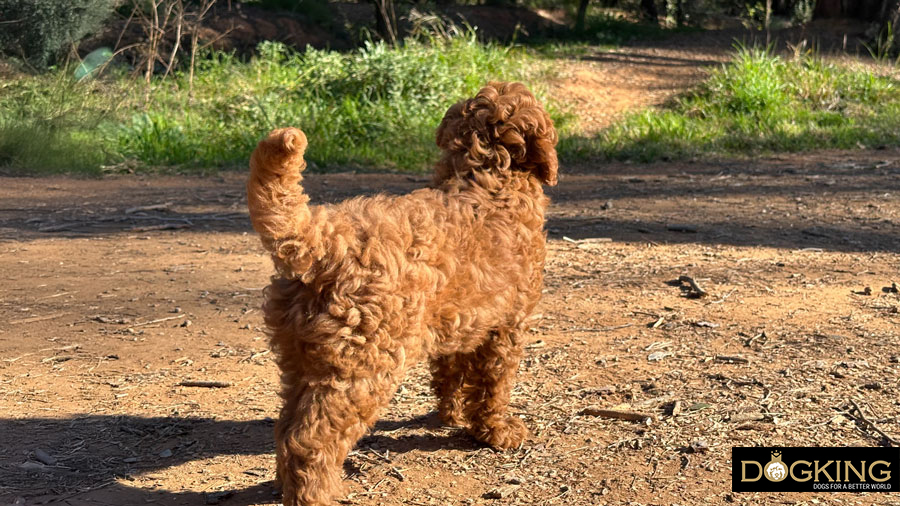
Just like people, some dogs need time to do ‘their own thing’. This depends on the needs, character and preferences of each animal. Perhaps your dog is one of those who, as soon as they set foot on the street, chooses a corner near the doorway and evacuates without any problems, but your pet may find it much more difficult to choose a suitable place. Let's see what reasons your dog has for taking so long to choose a place to wee and poo.
Table of contents
1 - your dog identifies signs through the tracks of other dogs
2 - 5 reasons why your dog takes so long to relieve itself
3 - can i make my dog poo faster?
Your dog identifies signs through the tracks of other dogs
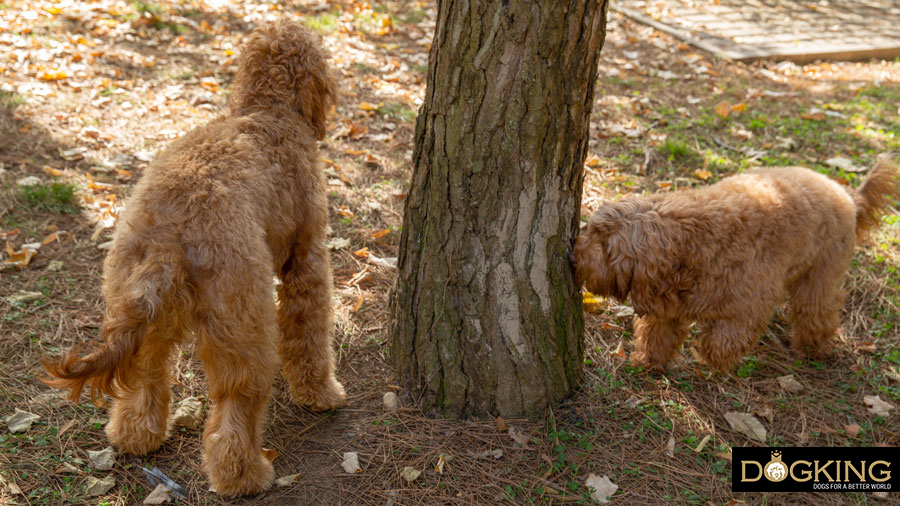
It may seem unbelievable to you, but the world of dog faeces is a very, very fascinating one. Did you know that dogs can communicate a wide range of information through urine and faeces? This information can cover topics as diverse as the dog's diet, their character, state of health, whether they are in heat, when they were there... All this information can be read by other dogs when they sniff the traces of urine or poo that they find in the street.
If you notice that your dog stops at every corner, lamppost or tree, it is probably because they are ‘reading’ all this information that other dogs that have passed by have left available. Likewise, when your pet finally decides to relieve themself at a particular spot, they are sending their own message to the canine universe. That's why dogs take their time in this whole process. Interesting, isn't it?
5 reasons why your dog takes so long to relieve itself
Now that you know how dogs' sophisticated system of communication through faeces and urine works, here are some other reasons why your pet might take longer than usual to poo or wee on your outings.
-
Because they don't feel like it
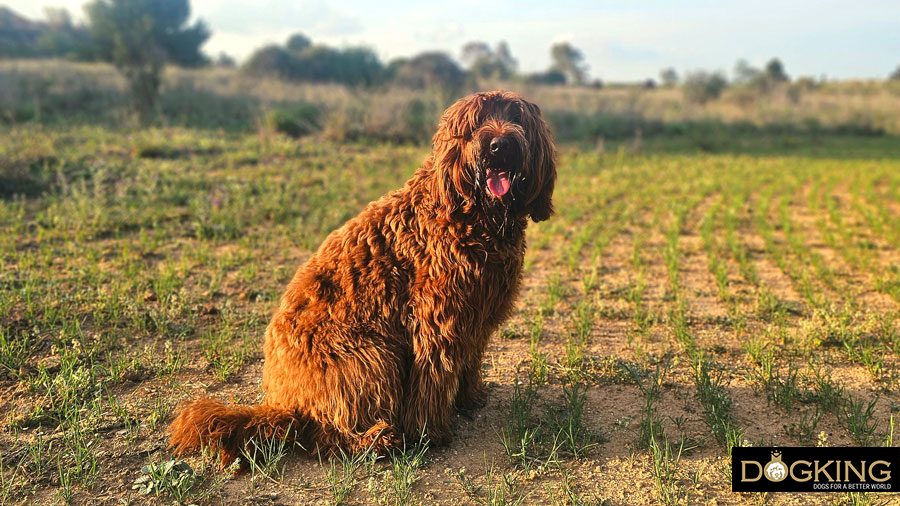
Dogs have a curious digestive system which means that when the stomach is full, a signal is sent to the colon to activate the reflex to expel faeces. This process takes about 30 minutes. If you don't adapt your walks to your dog's routine, they may not feel the urge to relieve themselves immediately after going outside. They’ll need a little time to get “inspired”.
-
Because they know you'll go home after
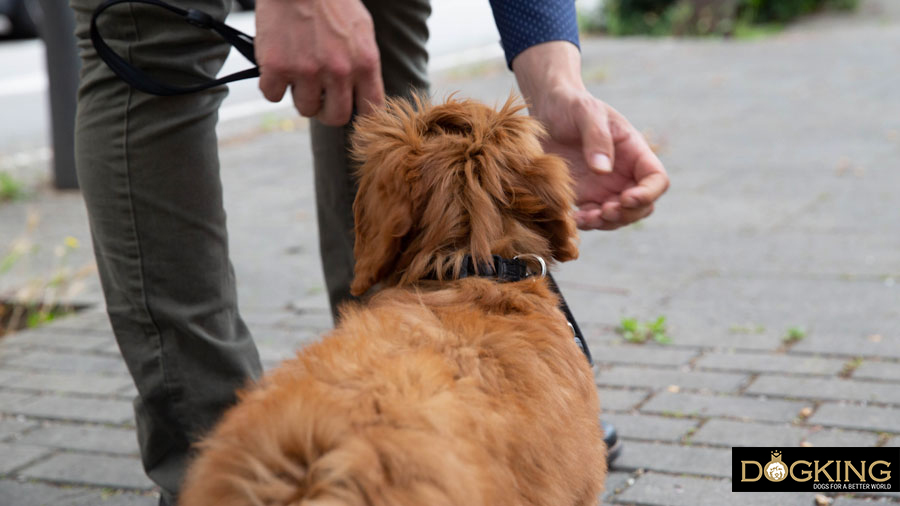
Your dog is much smarter than you think and constantly observes your reactions. If they associate doing their business with the end of the walk, they may delay it on purpose. Next time they take their time, don’t be angry — they have a very good reason.
-
Because they can't find a place they like
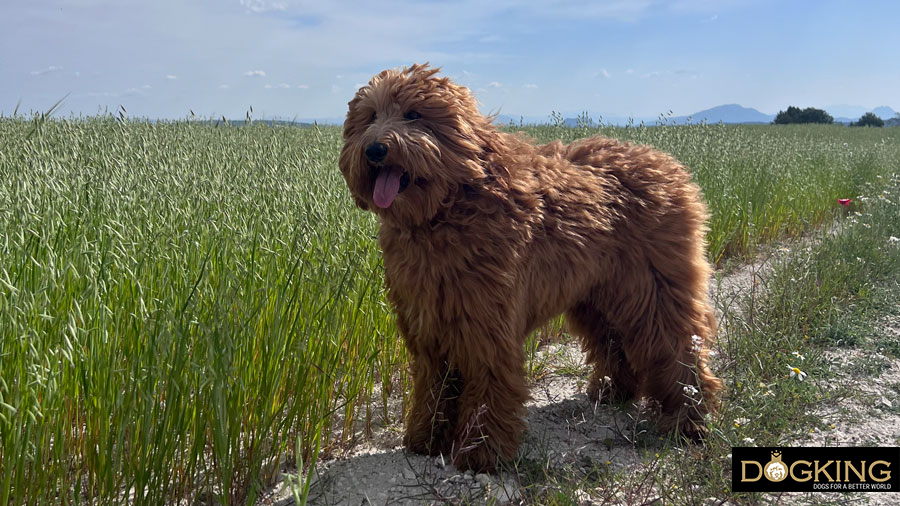
Dogs know they’re in a vulnerable situation when relieving themselves. They prefer quiet places, pleasant smells and comfortable surfaces. If your dog senses that a larger or angry dog has recently passed by, they might think twice before choosing that spot.
-
Because they get too distracted
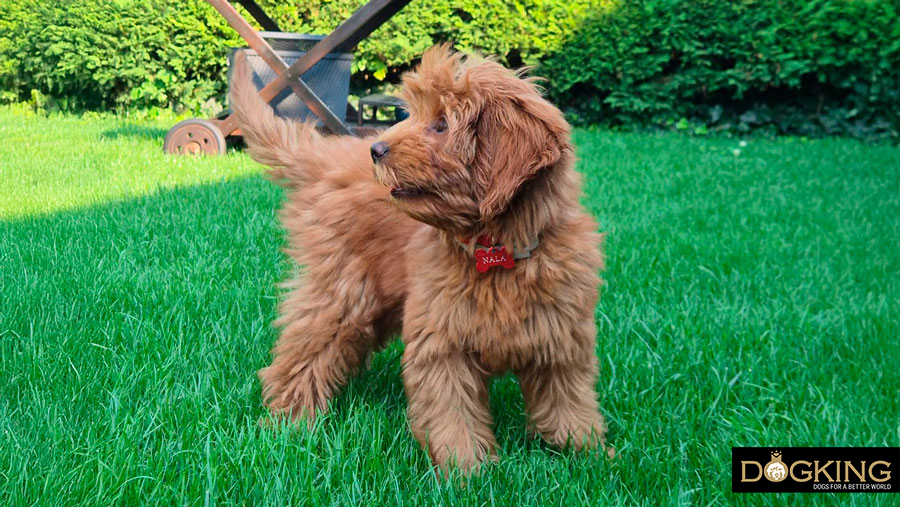
Some dogs get overexcited when they go outside. Being highly sensitive to stimuli, the street is not the calmest place to focus on doing their business. They’ll look for a quieter place with fewer distractions.
-
Because they can't find the position
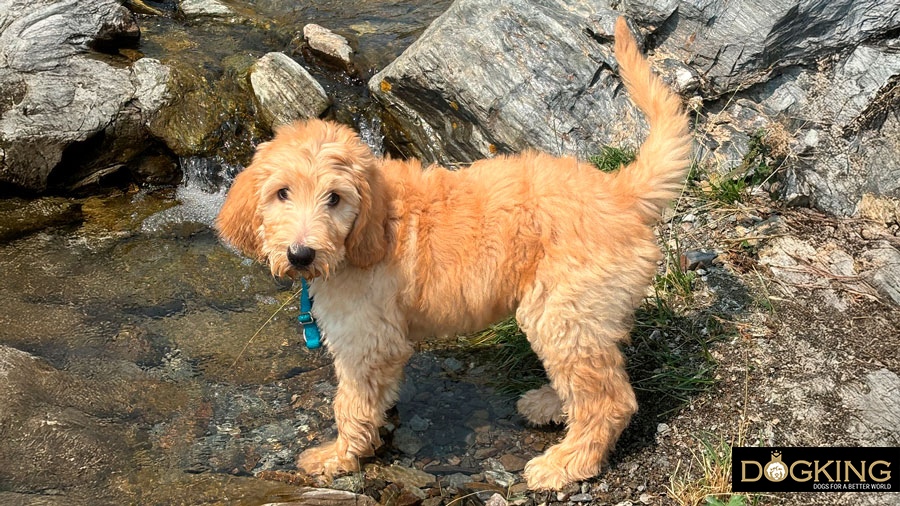
Did you know your dog prefers to relieve itself facing north–south? A study in Frontiers in Zoology suggests that magnetic fields influence dogs, who align their bodies this way when defecating or urinating. Now you know why they spin in circles before going.
Can I make my dog poo faster?
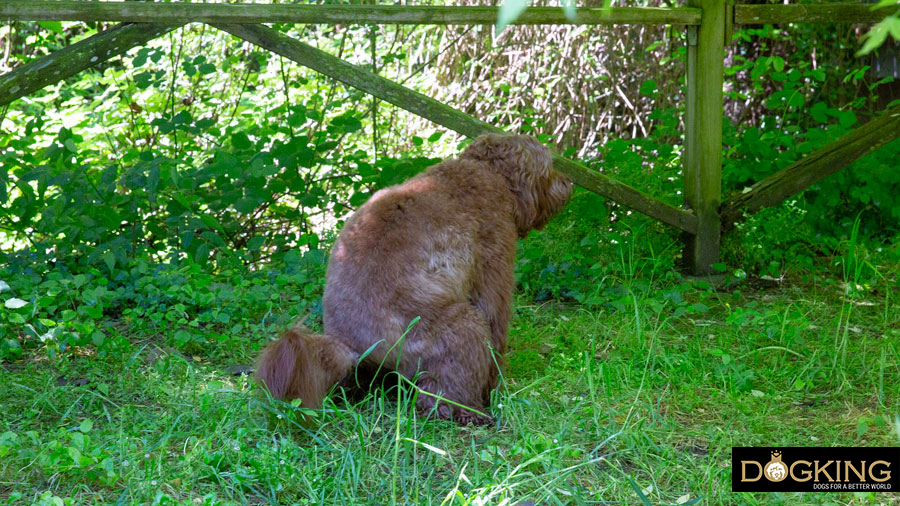
As you can see, dogs have many reasons to be patient when it's time to defecate. Ideally, you should approach walks with your dog as a calm, leisurely experience in which you give them the time they need for enjoyment and recreation. Getting outside, walking, socialising and exploring is vital for your pet to be happy and healthy, so we recommend that at least once a day you go for a long, quality walk together, at your own pace and without stress.
However, we understand that in practice there are situations when we need our dogs to be quick to poo or wee because we don't have much time. For those occasions we advise you to take your dog to a place they know or where they have peed before, and also to a place that is quiet and sheltered, if possible.
If your dog takes too long to relieve themself every day and it is becoming a problem, this behaviour can be corrected through training.
At DOGKING we work with our Australian Cobberdogs from puppyhood so that they adapt well to any training. Because of their temperament and intelligence it is very easy to teach them to defecate in the street in the correct way. It is important that we respect the dog's time and nature, but we must also detect when we are facing a behavioural problem, which may be due to anxiety or even digestive problems.
If you see that your pet takes a long time to poo once they have chosen the place and is already ‘in position’, they could be suffering from constipation or other pathologies. If in doubt, contact your vet for a check-up.
For dogs, doing their business is a ritual. Remember not to get angry with them because they are not as quick as you would like. You can correct certain attitudes with the help of a training programme, through signals or specific words together with a reward system, but you should never, ever force your dog with leash pulling or punishment. And while we're on the subject, don't forget to pick up the poo and rinse the wee-wee with a little water. Keep enjoying your walks together!