What to do if your dog is stung by a wasp or bee
Learn how to identify symptoms, administer first aid, and know when to seek veterinary care.
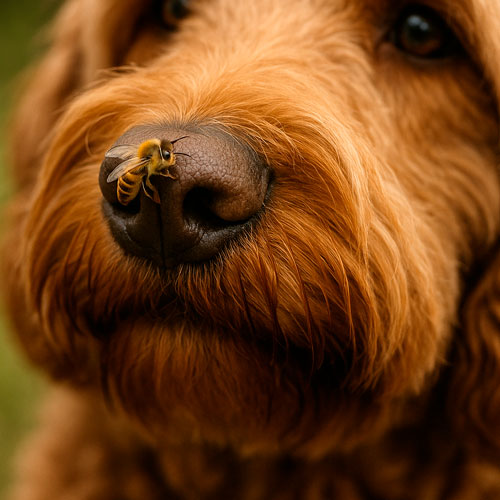
A STING THAT UPSETS YOUR BEST FRIEND
Approximate reading time: 8 minutes
Dogs usually love walking in the countryside and woods, as they can dig in the earth, sniff lots of different plants and chase birds and bugs. However, when spring arrives, two of the insects that proliferate most in these areas of vegetation are wasps and bees, which can end up stinging our pets. Do you know how to respond to a wasp or bee sting on your dog? We explain what to do to relieve your pet and when you should seek veterinary care.
Table of contents
1. What can happen to my dog if they are stung by a wasp?
2. How can I tell if my dog is allergic to bee and wasp stings?
3. What should I do if my dog is stung by a bee or wasp?
4. How can I prevent bees and wasps from stinging dogs?
What can happen to my dog if they are stung by a wasp?

Insect bites are very common in dogs. When our furry friends detect an annoying bug flying around them, they try to catch it at all costs, especially with their paws or mouth, snapping at the air with the intention of catching it. The insects, obviously, try to defend themselves from your dog's sudden movements, and they do so by stinging.
In the case of wasps and bees, the consequences of a sting are usually inflammation, redness and localised itching in that area. If this occurs on the dog's body, it is usually not serious and the venom's activity will gradually decrease until the symptoms and sting disappear completely.
If the flying insect stings your dog on the face, it can cause angioedema, a local reaction that causes the entire face to swell. Serious cases usually occur when there are a large number of stings. This process can cause us a lot of concern, as it distorts the face of our beloved furry companion, so we recommend that you go to the vet to have the situation assessed.
We should never take a bee or wasp sting on our dog lightly, as we do not know if they could be allergic and develop life-threatening anaphylactic shock. In addition, if the sting is in your dog's mouth or throat, their airways could swell and cause serious problems. Therefore, if you notice that your dog has been stung by a bee or wasp, it is best to seek veterinary care.
How can I tell if my dog is allergic to bee and wasps stings?

Unfortunately, the only way to find out if your dog is allergic to the venom of these insects is once it enters their bloodstream for the first time through a sting. Some of the symptoms you may notice in your pet are excessive salivation, breathing problems, digestive problems such as vomiting or diarrhoea, or generalised swelling in other parts of the body. If these or other acute symptoms are too severe, do not hesitate to take your beloved friend to the vet as soon as possible.
What should I do if my dog is stung by a bee or wasps?
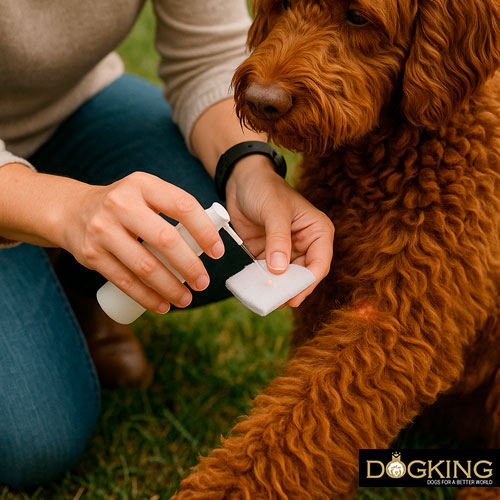
If your dog has been stung by a wasp or bee on their body or paws, and they do not have any serious symptoms, just some swelling and itching around the sting, and you cannot go to the vet, you can follow these steps to help them feel better soon:
- First of all, disinfect your hands with soap and water, as you are going to be handling the sting area and we don't want to make the problem worse.
- Check your dog's entire body for more stings. Wasps often sting multiple times, and if this is the case, it is best to take your dog to the vet quickly, as so much venom could cause a serious reaction.
- If it is a bee sting, you will need to remove the stinger very carefully, trying not to squeeze it so as not to release more venom. We recommend that you do this with your own fingernails or with a piece of rigid material, such as a card.
- Stay calm and composed, speak softly to your dog and reward them with strokes while you treat the sting.
- Clean the sting area thoroughly with soap and water. You can also use iodine or chlorhexidine.
- You can use a cold compress or some ice wrapped in a clean cloth and apply it to the sting area. This will reduce the swelling and your dog will feel much better.
- There are some specific lotions for dog bites on the market. You can apply a little to your pet if you notice that they are very uncomfortable and trying to scratch constantly with their paws or mouth. However, make sure they do not lick the area immediately so that the ointment can take effect.
If you notice any of the reactions described above, or if the insect has bitten your dog in the eyes or mouth, do not wait to see how it develops: take them to the vet immediately to have their condition assessed. In the most serious cases, if there is a severe reaction or anaphylactic shock, throat swelling or other life-threatening problems, the vet will need to administer corticosteroids or antihistamines.
How to prevent bees and wasps from stinging dogs?

Unfortunately, it is quite difficult to completely prevent bees or wasps from stinging our dogs. These insects are part of the ecosystem in fields, forests and mountains, so our pets will encounter them when we take them on trips to these areas.
However, there are some tips we can keep in mind to reduce the risk of a sting.
- Avoid the middle of the day when going for a walk in nature with your dog. The hottest times of the day are the favourite times for bees and wasps.
- Try to keep your dog from wandering too close to bushes with lots of flowers, as there are likely to be bees among them.
- Wasps tend to hover around areas with water, such as rivers, lakes or ponds. Avoid these areas as much as possible.
- If you are out on a picnic, be aware that food and sweet drinks such as beer or soft drinks are very attractive to these insects. Make sure you do not leave open cans or food scraps near your dog and keep containers carrying these foods tightly closed.
- Use insect repellent products. Some are very useful for keeping bugs at bay and preventing them from bothering our pets.
- Do not cut your dog's hair unless necessary. A dog's coat acts as a protective barrier against insect bites. Australian Cobberdogs, for example, have a soft, thick coat that not only insulates them from the heat but also protects them from bites.
Just like us humans, if your dog is stung by a bee or wasp, it can be very unpleasant for them. In most cases, it will not cause any serious problems, but it is very important to be alert to any worrying symptoms, as if your dog is allergic, they will need veterinary attention. We encourage you to continue enjoying outings in nature with your pet, but do not forget to be cautious to avoid, as far as possible, your furry friend suffering the inconvenience of a bee or wasp sting.
Also, if there is nothing else available, water, soap, iodine or chlorhexidine.