What your dog's tail says
The position of the tail and its movement express different emotions.
WHAT DO DOGS EXPRESS WITH THEIR TAILS?
Estimated reading time: 8 minutes
In dog communication, body language is a very important part. Just as the position of the ears, the muzzle or the body of your pet expresses different emotions, so does the tail. Through this part of their anatomy, your dog communicates how they feel to other dogs and people. However, it should be noted that not all dogs wag their tails in the same way or have their tails in the same position naturally. For example, German Shepherds tend to have their tails low, while pugs always have their tails high. Nordic breeds, on the other hand, have their tails curled over their backs.
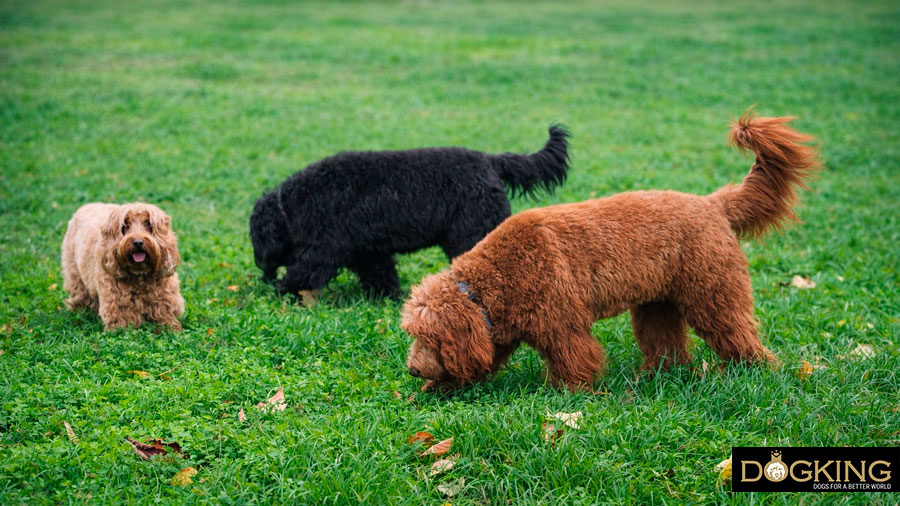
Therefore, if we want to find out what our dog is feeling from the position or movement of their tail, we will always take as a reference the posture they present when relaxed. On the other hand, we should not ‘read’ the position of our dog's tail as something isolated, but it is important to consider it as part of their whole body posture (body, ears, eyes, muzzle, etc.).
Table of contents
1. Tail postures and their meanings
• Low tail
• Tail moving from side to side
2. Curiosities about your dog's tail
Tail postures and their meanings
In addition to the sounds they make, such as barking, whining or howling, dogs are constantly giving us information about how they feel through their posture and body movements. The tail is one part of a dog's body that expresses a lot of information, although to discern what kind of emotion they are conveying, we have to analyse each movement or posture in context and always look at the overall attitude of the animal. In general, however, there are some basic rules about dogs' tails that you can take into account when interpreting what your pet is feeling.
• High tail
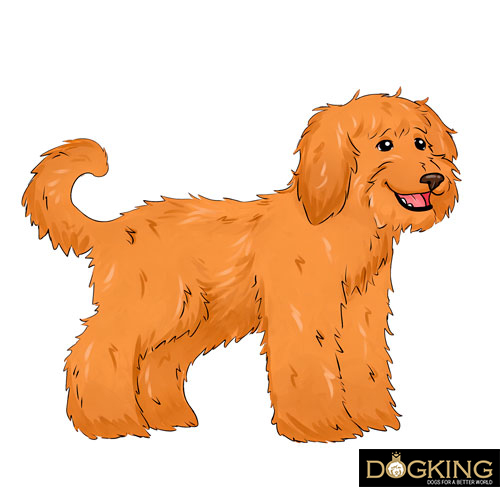
If your dog's tail is higher than normal (remember to compare it with the neutral position of their tail in moments of relaxation), this is an attitude of security in which they are trying to gain wingspan. For this reason, this position is often associated with encounters with other dogs in which they want to show their leadership. A high tail can also express alertness or aggression, although this can always be confirmed by observing the other signs on the dog's body and behaviour.
• Low tail
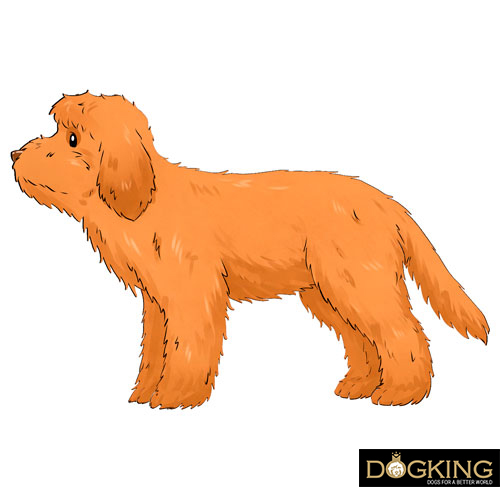
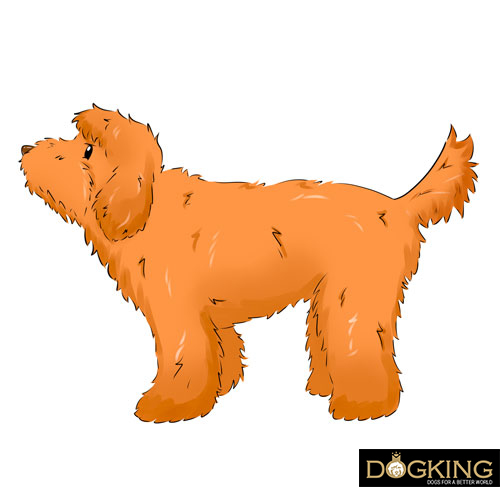
You may have seen your dog lowering their tail very low, until it is completely attached to his hind legs. This attitude denotes fear or anxiety, although it is also associated with submission. A tail that is lowered to between the legs expresses a much more intense feeling. Generally, the more pronounced your dog's tail posture, the more strongly they are experiencing the emotion.
• Horizontal tail
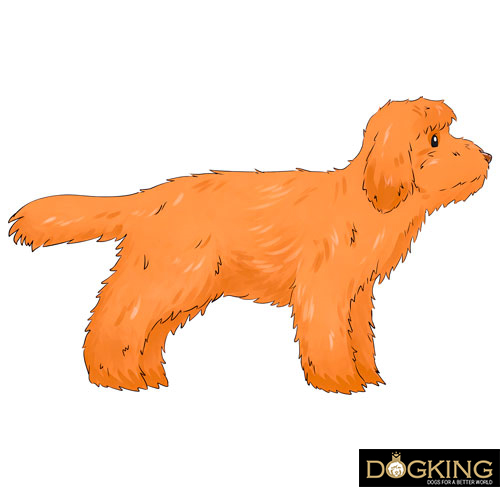
Some dogs may place their tails in a completely horizontal position, i.e. parallel to the ground or following the line of their spine. In this case, your dog is feeling a great deal of interest. They are probably observing something that arouses their curiosity, although it is also likely that they are doing this for territoriality, in which case you will notice that your pet's whole body is under tension.
• Totally immobile tail
Have you ever seen your dog freeze its tail and leave it motionless for several seconds? When this happens, it's a stressful situation for your furry friend. It is very common for dogs to freeze their tails when they see another dog nearby and don't know if it is a threat. If you look at the rest of their body language, you will see that their body is rigid. If your pet holds their tail still, they are definitely feeling a very strong emotion.
• Tail wagging from side to side
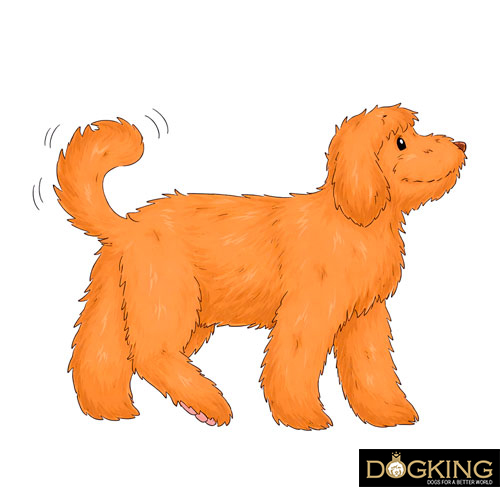
The side-to-side tail wag is probably the most common tail wag in dogs. They can wag their tails in this way for almost any emotion: joy, anger, fear, anxiety... We could say that the fact that your dog is wagging their tail expresses a certain state of excitement, which can be positive or negative. To discern what kind of message our dog is conveying, it is best to look at the context. Most likely, if we are in a relaxing situation and your dog shows no other signs of tension, tail wagging will express calmness and happiness. However, if we observe tension in the dog's posture, they are probably showing their nervousness in a situation that stresses or disturbs them.
• Tailless dogs
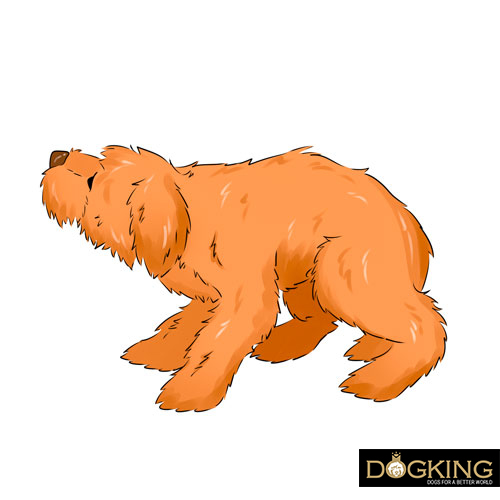
Fortunately, there are fewer and fewer cases of tail docking in dogs, an illegal and cruel practice that causes many communication problems for these animals. However, there are dogs that are born without tails for genetic reasons. In these cases, dogs often become much more expressive with their bodies to compensate for the lack of a tail, which is so important in canine communication. You have probably seen a tail-less puppy wagging their bottom intensely. Even without a tail, the animal performs the same movements, even exaggerating them for effective communication.
Curiosities of your dog's tail
As we have already seen, each tail is different depending on the breed (there are corkscrew-shaped, curled, spiral, straight), although in all cases it is a very powerful communication tool. In dog-to-dog communication, the position of the tail is used to express submission or dominance, which is vital in dog-dog relationships to avoid confrontation. But, in addition, dogs use their tails for balance and, when jumping, the tail can act as a counterweight, making turns more precise. One thing you should know about your dog's tail is that if they chase it frequently, they may be suffering from canine OCD, so it's best to take them to the vet for an assessment.
So you see, the tail is very important to your dog. Take a close look at it to learn what it has to tell you about your furry friend.