How to hold a dog correctly
Avoid injuries, falls and other problems when carrying your pet.
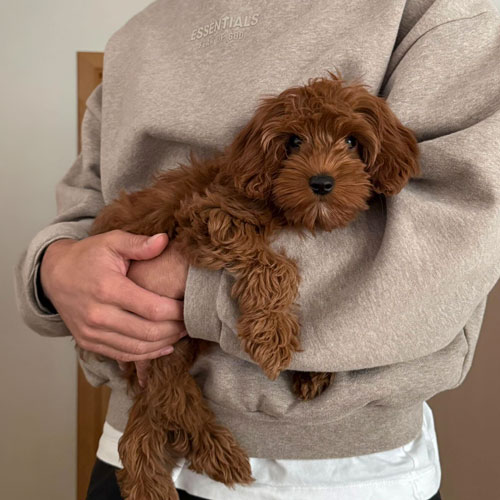
WHEN IS IT NECESSARY TO PICK UP YOUR DOG?
Approximate reading time: 7 minutes
They are our best and most loyal friends, and as part of the family, we can sometimes make the mistake of humanising our dogs. Just as babies and small children need to be held in our arms, dogs should explore the world from their natural position: resting on their four legs and standing on solid ground. Carrying your pet too much can cause problems with development and coexistence with other dogs and people, increasing their insecurity and fear. In addition, if your dog walks all day in your arms, you will reduce the opportunities for exercise.
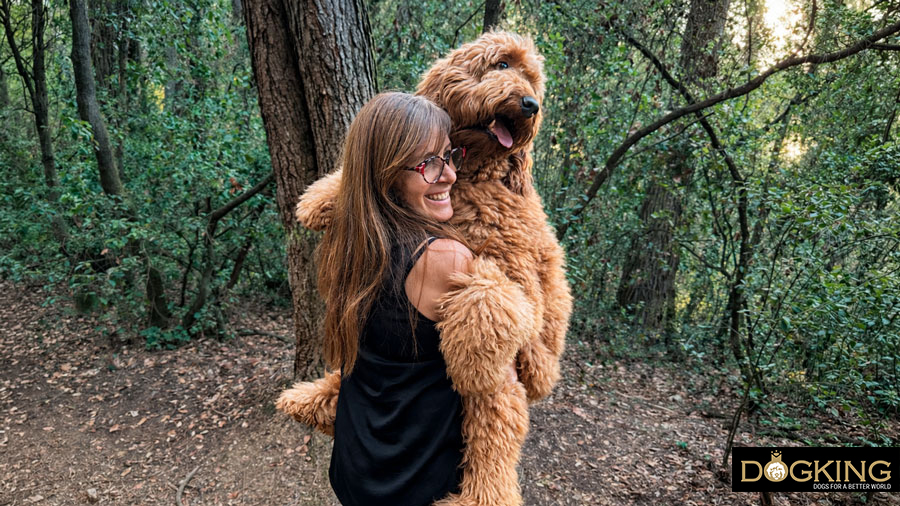
This situation is made worse if, in addition, we do not know how to hold the dog correctly, which can lead to injuries, discomfort and behavioural problems. Carrying a dog is not just carrying anything: They are sentient beings with a body different from our own, so taking them in your arms when necessary requires a special procedure that we will explain to you today. Read on to find out how to hold your dog correctly and 100% safely.
Table of contents
1. Why is it important to hold your dog correctly?
2. Learn how to hold your dog step by step
• Tricks for holding your dog in your arms
Why is it important to hold your dog correctly?
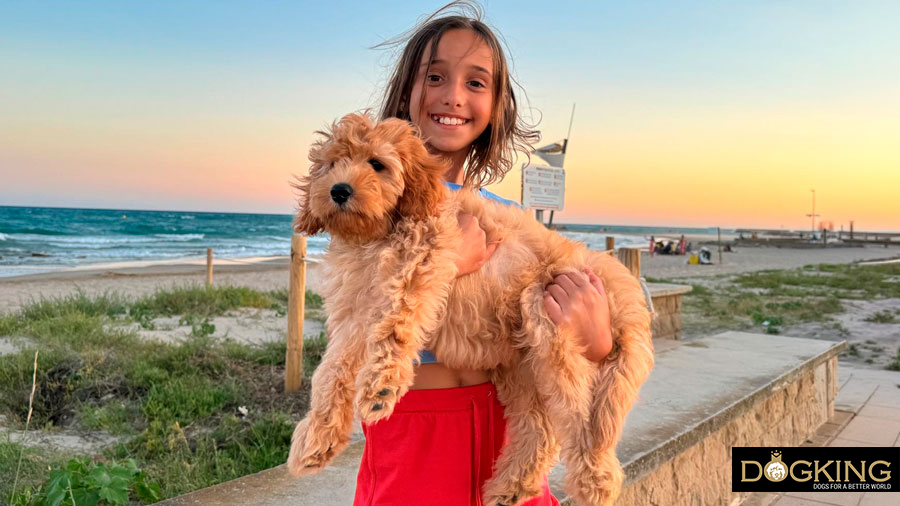
There are times when holding your dog is the only possible alternative, either because they are in a dangerous situation or because they are injured or ill. If you have to pick up your dog, it is very important that you do so in a way that is safe and comfortable for them. Otherwise, you could cause injuries, such as sprains or dislocations, especially if they are a small breed, puppy or elderly dog. But also, properly lifting your dog off the ground or wherever they are will be much more comfortable for you, especially if your pet is large. Finally, bear in mind that holding your dog in your arms in any way can make them feel very uncomfortable and frightened, which can lead to aggression. If this is repeated over time, the animal may avoid your contact in the long term, worsening their socialisation and your bond.
Learn how to hold your dog step by step
When it is necessary to pick up a dog in your arms, many people think that the best way is to pick them up under his paws, that is, placing your hands under their armpits, as if they were a small child. However, doing so can cause injuries to your dog's legs, shoulders and back, especially if they are small or a puppy, as their entire skeleton and musculature will be more delicate. So what is the best way to pick up a dog? Let's take a step-by-step look at how to lift your pet off the ground safely and comfortably for both of you.
• How to hold a small dog
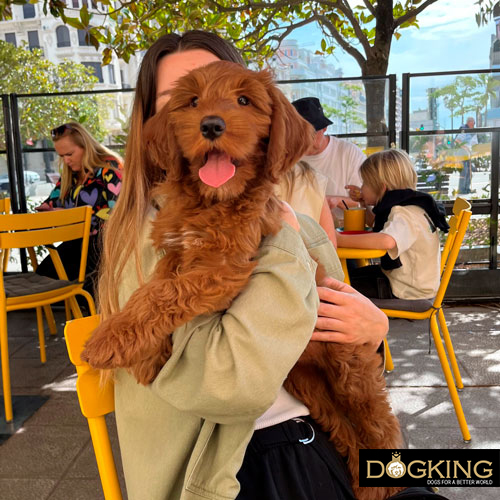
If you have a small furry dog at home, you should be aware that their body is very delicate. Therefore, you should always handle them gently, including when picking them up from the floor. Small dogs, due to their size and metabolism, may be more frightened to feel the ground move away from their paws abruptly when you pick them up in your arms. Therefore, we recommend approaching gently and speaking to them in a low, calm voice before picking them up. Then choose a signal such as ‘up’ and say it to them just before you lift their body off the ground to give them time to get ready and avoid startling them too much. To approach them it is best to crouch down to their level. Do this by bending your knees to protect your back and give your dog a more stable and secure grip.
The ideal way to hold your small dog is to place your dominant arm under their chest and your hand between their front legs. The other hand will hold their hindquarters. As you lift them up, keep them close to your body so that they feel more secure. When you have them close to your chest, hold your dog firmly but gently, avoiding squeezing their body too tightly. You can give them a treat for reinforcement.
• How to hold a large dog
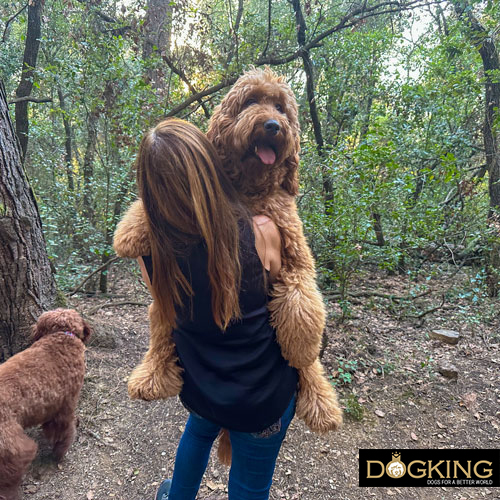
Owners of large dogs, i.e. over 8 kilos, may feel intimidated when holding their pets in their arms. The wide wingspan of these animals makes a proper grip especially important to prevent the dog from moving and falling. The best technique is to place one arm around the chest, always in front of the line of the front legs so as not to hurt their neck. The other arm should be placed at the rear to support the back of the animal. If we are not able to reach the dog with our arms or to carry their weight, we will have to seek the help of another person to hold them from behind.
Even if your dog is large, place their body as close to yours as possible to reassure them. When holding them in your arms, always make slow movements to avoid injury. Pay special attention to their head and neck, which are the most vulnerable in this movement.
• Tricks for holding your dog in your arms
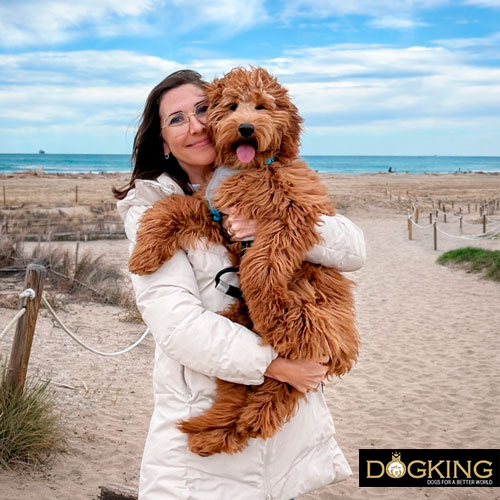
Some dogs are naturally more flexible and trusting than others, although it is very important to work on the socialisation and training of the animal from puppyhood to get them used to being held in your arms when necessary for their health or safety. The Australian Cobberdog, for example, is a breed of dog that enjoys human contact. With proper exposure, they will allow touching, cuddling and holding without problems. However, pay close attention to your dog's body language, because if your excuse for picking them up anyway is that they never whine, you may be surprised to learn that, even if they don't bark or whine, they are warning you in other ways, such as by licking or yawning.
If, when you pick your dog up from the floor, they wiggle in your lap, increase the firmness of your grip, but be very careful not to overdo it and hurt them. A good idea, if you are having problems because your dog is very restless, is to put them on a leash to practise holding them in your arms. You can also try a blanket or towel, which will give them a greater sense of security and comfort. Oh, and don't forget that dogs reflect our moods, so be calm and collected and you'll see that your pet relaxes too.
Also, to make the experience a positive one for your dog so that they don't refuse to repeat it on another occasion, reinforce their good behaviour with treats and, when you let them out again, leave them in a safe and pleasant place for them. Finally, never grab a dog by the collar, legs, neck or nape of the neck (mums can do this for a few months with their puppies, but this grip is not natural for adult dogs). In smaller dogs, these grips can be very dangerous, causing injury to the windpipe and spine. If the dog is injured, do not handle the injured area and seek veterinary attention as soon as possible.