Ticks: how to avoid them and what to do if you find one in the fur
Tick bites can transmit diseases to both dogs and humans
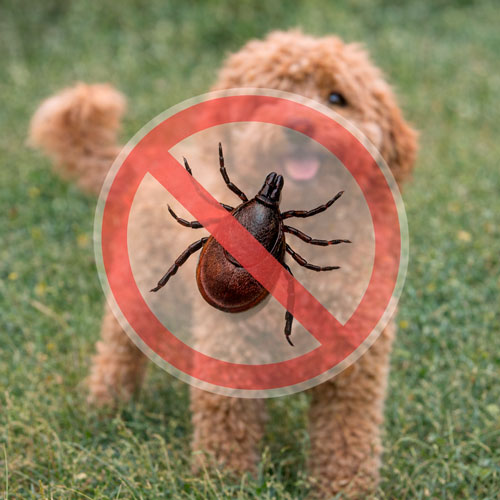
THE PROBLEM OF TICKS ON DOGS
Approximate reading time: 8 minutes
The good weather is here and we all love to go out into the countryside to enjoy the fresh air, and what better way to do it than with our best furry friends? However, we must be careful, as warm temperatures and green areas are two conditions that favour the presence of ticks. These external parasites, which belong to the arachnid class, are one of the most common in dogs, as they feed on their blood and reproduce very easily.

But beware, in many areas, especially in Mediterranean climates, it is increasingly common to find ticks throughout the year, so we should not be overconfident. Protecting our pets from ticks is a very serious matter, as their bite can transmit different pathogenic microorganisms that can affect their health.
Table of contents
• How to safely remove a tick from my dog
2. What symptoms do tick bites cause in dogs?
Preventing ticks on dogs
Although ticks are a very common parasite in dogs, there are ways to prevent this infection to protect the health of your furry friend and the rest of the family. Ticks are also a threat in the home, as their bite also affects people. That's why it's essential to keep them at bay. If your dog has had ticks, make sure you properly sterilise the whole house (especially nooks and crannies) to avoid resurgences, as these parasites can live for up to two years in a dormant state. Here are some tips on how to avoid ticks on your dog, how to spot them and how to remove them effectively.
• Check the environment

Ticks prefer warm, humid environments with plenty of natural light. That is why they tend to proliferate more in spring and summer, although they can be found all year round. They are especially found in trees, gardens, parks, flower pots, rocks, cracks... If you are going for a walk with your dog in green areas, such as forests or fields, do a little check beforehand to see if the area is free of ticks and safe for your furry friend. Indoors, these parasites often hide in corners, blankets or carpets, so if your dog has had ticks in the past or you live in a heavily wooded area or in nature, don't forget to check and disinfect them, as they could hibernate on these surfaces.
• Examine your dog's coat
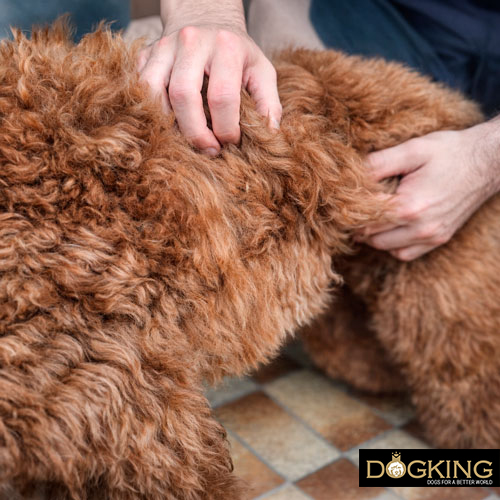
Regularly checking your dog's body and coat is not only a good idea to detect the presence of parasites, such as ticks or fleas, but also to check the condition of his coat, skin, knots, wounds or bumps. It is therefore essential that you get your pet used to handling from puppyhood, so that they are calm and quiet during these examinations. Lay your dog down in a comfortable position and check especially those areas with less hair density, such as the ears, armpits, under the collar, eyelids, around the tail or between the toes. These areas are where ticks are most likely to attach themselves, but we recommend that you thoroughly check your dog's entire body. You can do this routine as often as you like depending on your pet's lifestyle and the places they frequent, but if you have just returned from the countryside, a park or green areas in general, we recommend you check your dog without fail. Also if your dog has been socialising with a lot of dogs, as some animals are not properly dewormed and could be infected.
• Deworm your dog
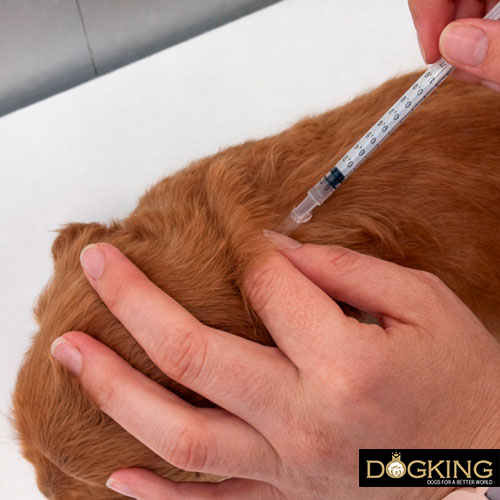
As the person responsible for your dog's well-being, it is essential that you deworm them regularly to keep them safe from parasites such as fleas and ticks, two very common infections in dogs. There are different systems available on the market to deworm your dog. Collars are a very practical method, as the protection lasts for a long time and you don't have to remember to apply a product every now and then. On the other hand, pipettes consist of a liquid that is placed on the dog's back so that they do not lick themself, and is absorbed throughout the body, protecting the animal from parasites, and lasts for approximately one month. There are also pills, which are very potent and are usually used when there are active infections, sprays, lotions and even shampoos to prevent ticks from getting a hold. To find out which method is best for your dog, consult your vet, who will prescribe the best product for you based on your dog's history, weight and symptoms.
• Regular brushing

To keep their coat in good condition and, therefore, their skin protected, you should brush your dog regularly. This will prevent knots from forming and your dog's skin from being exposed. A dog with a healthy coat and skin will be less prone to parasites such as ticks. Brushing is also very pleasant for these animals, so as well as protecting them, you'll be sharing a very pleasant time together and enjoying the beautiful bond that unites you. It's all good news!
• How to safely remove a tick from my dog?
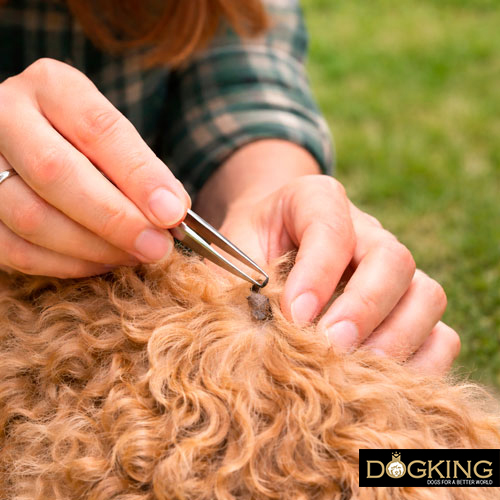
There are many home remedies on the Internet that promise to get rid of ticks on your dog, but the truth is that there is only one effective method to get rid of ticks effectively and safely. The most important thing is that you don't try to remove them by hand, as you could crush them and make the situation worse. Don't shake or pull the parasite, either, as this can cause them to detach from the claws and become embedded in your dog's skin, which can lead to cysts or abscesses if not removed correctly. Follow these steps to remove the tick from your dog 100% safely:
- Disinfect the area with a cotton swab with alcohol, this weakens them and we can even use oil.
- Use disinfected, fine-tipped tweezers and grasp the tick as close to your dog's skin as you can without hurting it.
- Pull upwards in a firm motion. This will be enough to dislodge the tick.
- Clean the remaining wound with soap and water.
- If the tick is alive, dispose of it in a sealed bag or between two pieces of duct tape.
If you can't get it out, see your vet.
• Protect yourself from ticks

As we have seen above, people can also contract diseases from tick bites. If you spot one of these parasites on your skin or hair, you should act quickly. Remove them using the same method as with your dog and check your whole body, your home and your pet for ticks. Combing your hair with a fine-toothed comb can help remove ticks.
What symptoms do tick bites cause in dogs?
If your dog has had ticks, even just one, it means that he may have been exposed to the bacteria or pathogens carried by these parasites. These pathogens can cause diseases such as Ehrlichiosis, Anaplasmosis or Lyme disease. Some symptoms of these diseases appear 7 to 21 days after the bite, so it is vital that you take your furry friend to the vet as soon as possible for tests to rule out any infection or for treatment if necessary. Signs to look out for include rashes, fever, weight loss and listlessness.
Some of the diseases caused by these parasites can be serious, so protect your furry friend with deworming methods and check them regularly for ticks.