Canicross: running safely with your dog
Benefits and precautions of this sporting discipline with your pet
WHAT IS CANICROSS?
Approximate reading time: 7 minutes
If you are passionate about running and want to spend as much time as possible with your dog, take note of this sport that is taking Europe by storm. It's called canicross and consists of running with your pet on an earthen surface, taking advantage of their strength as forward traction. This variant of running emerged in Europe as a result of snow sports with sleds pulled by animals, and is becoming increasingly popular in different countries. In many areas it is even a federated sport with official competitions, although anyone can do it with their pet as an amateur. This discipline not only allows you to exercise with your pet, but also gives you the opportunity to enjoy more quality time with them, further strengthening the special bond you share. Do you want to know more about canicross?
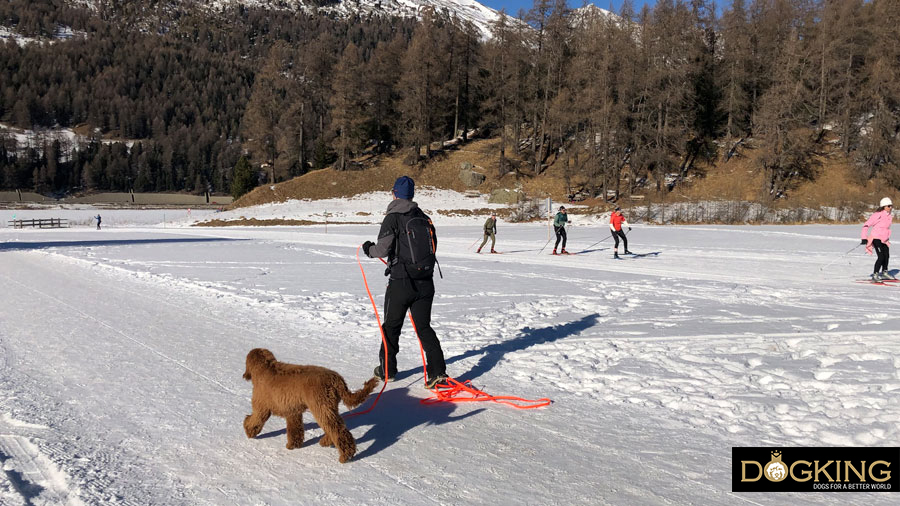
Table of contents
- Is my dog suitable for canicross?
- What do I need to do canicross with my dog?
- Where to canicross with my dog?
Is my dog suitable for canicross?
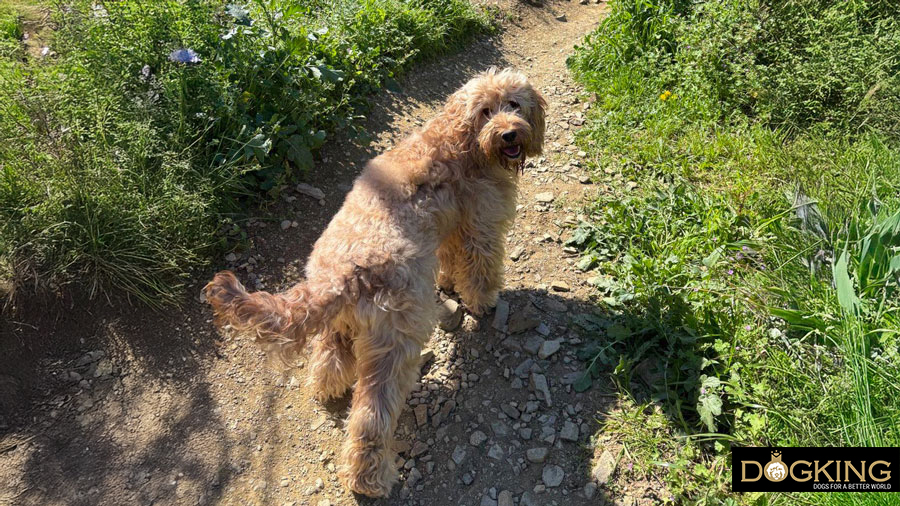
Although dogs have the ability to run to play, escape from danger or burn off energy, not all of them really enjoy running with us as a sport. The dogs most suited to canicross are those with a strong physique and medium to large size, golden retrievers, German shepherds, hunting dogs, sled dogs (the husky is the most well known), and Australian Cobberdogs (medium to large size) can enjoy canicross. On the other hand, small breeds, with short legs or a flat nose, are not great runners, so it is preferable to exercise them by walking rather than running. Another essential requirement for your pet to accompany you in this sport is that they must be properly socialised and know how to concentrate. If they are very restless or is not used to being in different environments, we do not recommend that you do with them.
What do I need to do canicross with my dog?
To get started in this sport with your dog in a safe way, there are several things you need to take into account. First of all, you will need a flexible lead, a pulling harness and a special canicross belt, all of which are required for this sport. The canicross belt is wider than normal to protect your back from being pulled by the dog, while the harness your pet will wear distributes the impact of their footsteps along their entire spine and also prevents chafing. It is also a good idea to bear in mind the following advice:
1. Veterinary check-up
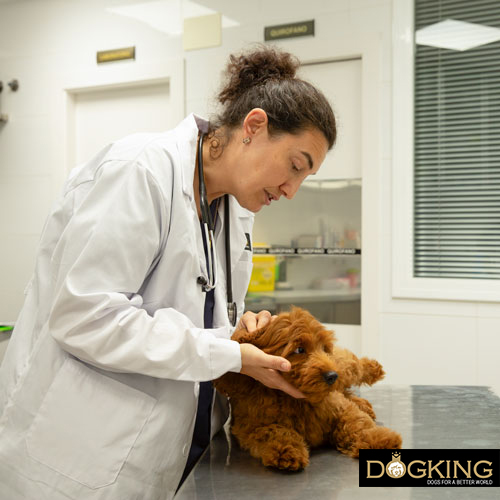
To do canicross with your dog, you must make sure that they are in perfect physical condition. Even if they look fine, we advise you to take them to the vet to check if they are ready for an intense running activity. Only a professional can guarantee that your dog can run with you safely, so it's worth not skipping this first step.
2. Start slowly
Once you have all the equipment you need for canicross, you may be itching to get out running with your dog as soon as possible. But don't rush it. First of all, make an honest assessment of your fitness level. For this type of running where your dog pulls you along, you not only need to be an experienced runner, but you also need to have upper body strength. Add to that good endurance and pace so that you don't weigh your dog down too much. Are you ready? In that case, it's time to think about your dog. Just as a person can't run 10 km the first time, neither can your pet. Start with short, easy runs and, if your dog responds well, increase the length of the route. Keep in mind that canicross is a very intense exercise for your dog and his body has to get used to the sport little by little.
3. From 1 and a half years of age
Puppies should not do canicross, as their joints and muscles are still developing and could suffer problems with the impact of the footsteps in a high-intensity exercise such as this. Canicross is recommended from one and a half years of age and as long as the animal is in good physical and psychological condition. Of course, this sport is not recommended for senior dogs either, as their joints, which may have deteriorated with age, could be affected. If you have a puppy, wait until they are a year and a half old, check that they are ready to run with you with a vet and start to get them used to running progressively (first going out alone for a jog, then running short distances and gradually increasing the difficulty). This way you can enjoy this healthy pastime together safely and calmly.
4. Avoid the heat
Dogs regulate their body temperature much worse than us humans. That's why it's vital that you don't take your dog out running with you if the temperature exceeds 20°C, the limit set by official canicross competitions. These animals can only perspire to thermoregulate through their pads, so they often pant as an alternative way to cool down. However, if you notice your dog is too agitated and the temperature is close to or higher than the indicated temperature, it's best to leave it for another day. Of course, don't forget to bring water and a water bowl with you when you go running, but wait at least 15 minutes before giving your dog a drink. If your pet drinks too anxiously, they could suffer from stomach torsion, which is a very serious acute condition in dogs. Also, don't go for a run with your dog if they have recently eaten - wait a couple of hours to be on the safe side.

5. Watch your dog's breathing
If you want to run freely and without worrying about anything, leave your pet at home. Canicross requires you to keep an eye on your furry companion to adjust the pace to their needs. If you notice that your dog is breathing too fast or shows signs of choking, stop the activity, wait for them to calm down for about 15 minutes and give them water (a few sips first so that they don't gulp it all at once). Never force your dog to continue running if they get tired or stop due to exhaustion, or force them to go through places that they are afraid of or that are too difficult for their level. Although canicross is based on the animal pulling slightly on their owner during the run, you can adapt the exercise without your dog having to take on some of the weight and simply go for a run together.
6. Teach them to pull you
If you want your dog to pull you when you do canicross, you can teach them by learning a signal. The first few times you can do this by asking someone else to stand right in front of them to encourage them. Do this until they get used to it and remember to reinforce positively when they do well. Keep in mind that ‘pulling’ behaviour is not positive during day-to-day walks, so you'll need to be very clear about the timing of canicross so that your dog doesn't get confused. Create routines and ‘rituals’ that help your pet understand that it is time for canicross and get them to connect with the pulling mode. In this ‘sled’ mode, watch out for slopes, as a dog with a large stride can accelerate your speed up to 4km/h.
7. Check their pads
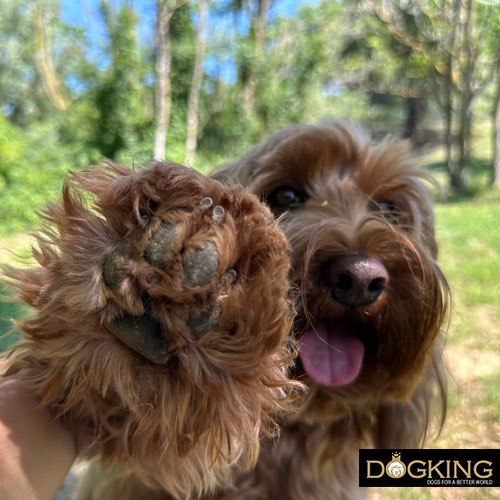
8. Diet and supplementation
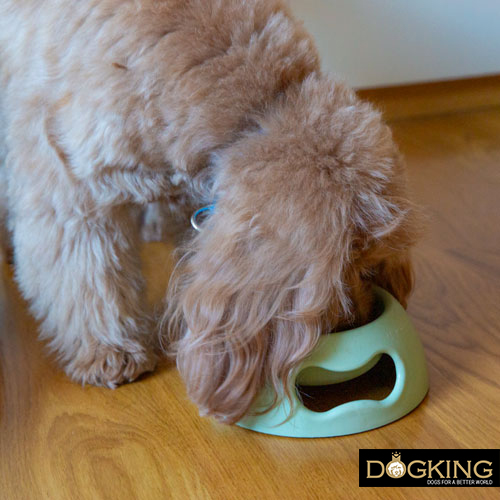
If you are going to do canicross with your dog on a recurring basis, bear in mind that this will involve a very significant energy expenditure for them. Consult your vet's nutritionist about the best diet for your dog's needs. In some cases, he or she may recommend supplements of essential fatty acids and vitamins to ensure your pet is in excellent health at all times.
What do I need to do canicross with my dog?
To get started in this sport with your dog in a safe way, there are several things you need to take into account. First of all, you will need a flexible lead, a pulling harness and a special canicross belt, all of which are required for this sport. The canicross belt is wider than normal to protect your back from being pulled by the dog, while the harness your pet will wear distributes the impact of their footsteps along their entire spine and also prevents chafing. It is also a good idea to bear in mind the following advice: