How long can a dog be left alone?
Prolonged loneliness can affect your pet's health.
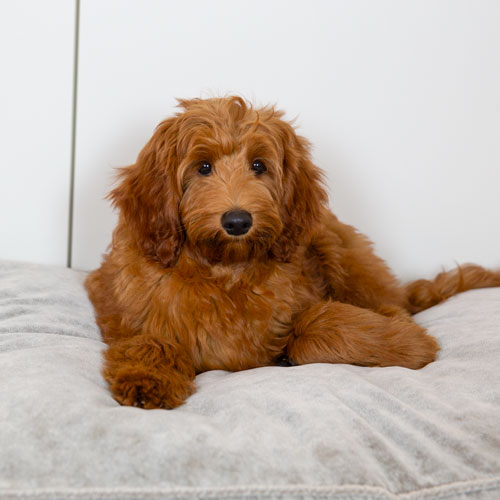
CAN MY DOG BE LEFT HOME ALONE?
Approximate reading time: 6 minutes
As you already know if you share your life with a furry friend, dogs are very social animals and need contact with other people and animals to feel happy, secure and fulfilled. However, with good training, they can be left alone in the house in peace and quiet. Periods of solitude should be adapted to the age and needs of your pet to prevent them from developing problems such as anxiety and behavioural disorders. We explain everything below.
Table of contents
- What happens if my dog is left alone for too long?
1. How long can my puppy be left alone?
2. How many hours can an adult dog be left alone?
3. Tips so that your dog doesn't feel lonely in the house
- Do you have time to keep a dog?
What happens if my dog is left alone for too long?
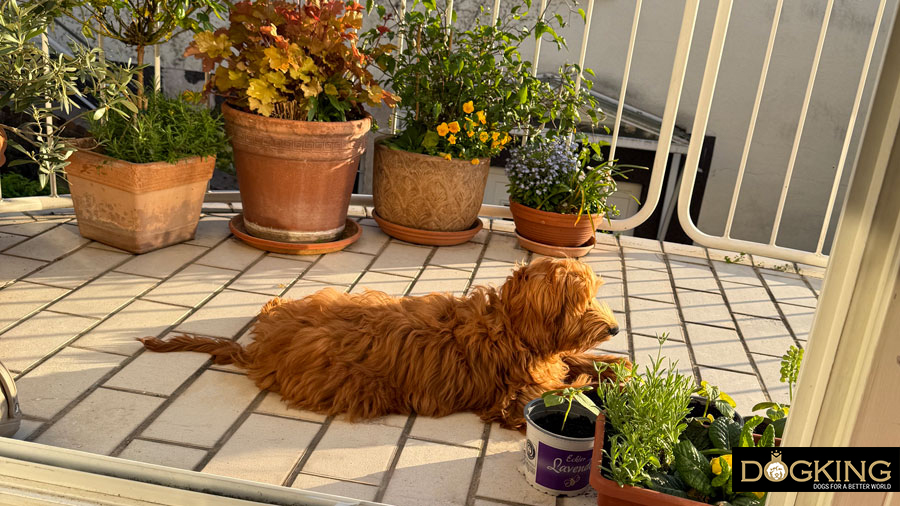
To find out how long your pet can be left home alone, it is important to take into account several factors, as each breed is different and has their own particular needs. Some breeds are calmer, less demanding and more adaptable. Others, such as hunting dogs, have a much higher energy level and are more restless, or are more sensitive and suffer in our absence, especially if we do not manage the situation properly.
If your furry friend is left alone for too many hours they may feel very sad and depressed and develop a depressed state. They may also suffer from anxiety and manifest their discomfort with problem behaviours. The consequences of a dog's excessive loneliness are no small matter, as they could even make them ill. Let's see how long a dog can be alone, depending on the situation.
1. How long can my puppy be left alone?
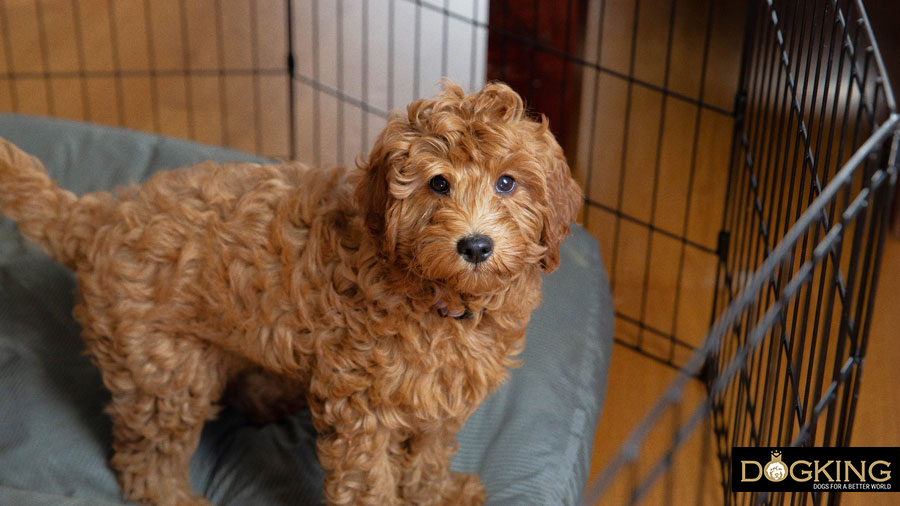
From the age of two months, you can start to leave your dog alone in short intervals, and gradually increase the amount of time.
When a puppy arrives home, we have to make an effort to balance the time we spend with them. If we hold them in our arms all day and are glued to them, they will become very dependent on us and could develop separation anxiety when we are away. For this reason, we recommend that you set a timetable to dedicate quality time to them and, at the same time, get them used to being in a puppy park so that they can start to manage being alone. You can even leave the house for 10 minutes at a time and gradually increase the amount of time.
If you have a 2-month-old puppy, be aware that they will spend a lot of time sleeping. Sleep is very important as it restores energy, forges new neural connections, releases growth hormone and improves the immune system. A dog that does not get enough rest can have problems with learning and memory, as well as a weaker immune system.
You can set a schedule during the day to take them out of the park every 2 hours and dedicate approximately 30 minutes of attention to them thus creating a bond with your pet. This way, when you take them outside, they will feel safe with you. Here are some ideas for spending quality time with your puppy both at home and outdoors.
Activities at home:
- Teach your puppy to be on a lead to prepare for going outdoors.
- Hide treats on a scent rug.
- There are games to stimulate their sense of smell.
Outdoor activities:
- Walk with them in your arms, as at 2 months they are still lacking vaccinations to step on the street floor and join in with other dogs. Show them the world around them starting with quiet areas.
- Take them in the car for short journeys of 5-10 minutes to get them used to it gradually.
If your puppy has had enough vaccinations to be able to go outside, you can walk them on the ground, as they will need to socialise with other dogs. We will also teach them to wee-wee outside, which takes time and patience.
Also, remember to teach them from day one to use the soaker at home so that at night or at times of the day when you have to be away, your puppy has the resources to be able to satisfy their needs.
If you are going to be away from home for more than 5 hours, ask a family member or caregiver to help care for your puppy.
2. How many hours can an adult dog be left alone?
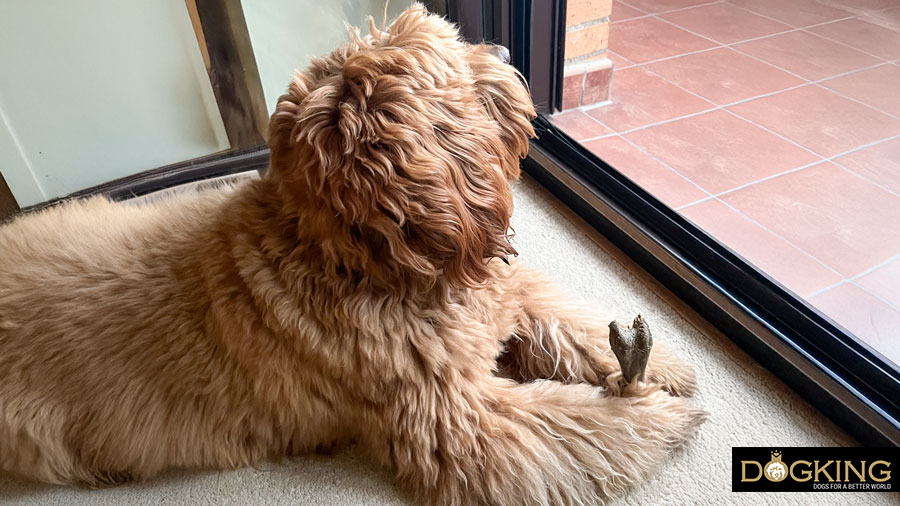
Adult dogs (from approximately 9 months or 1 year of age depending on size) can be left alone at home for a longer period of time than puppies, although it is not recommended that they remain without us for more than 6-8 hours. This will vary, as we have seen above, depending on the temperament and degree of socialisation of our pet and, in any case, we should always get the dog used to being left alone for shorter or longer periods of time. If the first time you are away for a long time, your pet could feel very anxious and afraid not knowing what is happening or when you will be back.
We must not lose sight of the fact that young dogs tend to have much more energy, so we will adjust our time away to the minimum possible within the time range mentioned above. On the other hand, senior dogs (from 7-10 years of age depending on the breed) can spend a little more time alone as they are calmer, although it all depends on their state of health, as some pathologies associated with age require supervision on our part.
3. Tips so that your dog does not feel alone at home
If it were up to them they would always be with you, enjoying your attention and affection. However, there is a lot to do during the day and it is normal that you have to spend some time apart from your pet. In those moments when you need to leave your dog alone at home, you can put these recommendations into practice:
- Pre-walk. If you go for a walk with your dog just before you leave home, they will probably be tired and relaxed and will take the opportunity to take a nap while they are alone. Don't forget to take them out as soon as you get home if you have been out for several hours so that they can relieve themself.
- Don't say goodbye. Dogs are always watching their owners and if you say goodbye to your pet every time you leave the house, they will anticipate your departure and will feel very anxious. The best thing to do is to leave without saying goodbye.
- Leave him with relaxing music or even the television. It will help him to relax and not be aware of any noise he hears.
- Leave their favourite toys at their disposal. We recommend the kong type, as dogs are very entertained trying to get treats out of them.
- Water. Leave water at his disposal.
- Pleasant space. Leave them near the bed so that they can rest.
- Let them have visitors. The first few times they are left alone for longer or if you are going to be away for longer than usual, you can ask a relative or trusted neighbour to visit your dog. A few strokes and a bit of play will be enough to cheer your pet up while they wait for you to return.
- Don't reinforce their nervousness. If your dog greets you with an overly cautious attitude, don't greet them until they calm down. This will help them understand that being alone is not a bad thing and that they don't have to overreact when you return with them.
- The importance of socialisation. Getting your dog used to all kinds of situations from an early age, i.e. socialising them properly, is very important so that they will find it easier to adapt to new circumstances in the future, such as being alone at home. Take them for walks in different places, let them meet all kinds of people and fill their life with different stimuli so that they become a much more flexible and relaxed dog.
Do you have time to have a dog?
Sharing your life with a dog is a wonderful thing that brings great joys, but also some challenges. A dog needs time and dedication, so if you are a super busy person, working long hours away from home you will need to have help for those times. As their human parent and caregiver, you will be responsible for ensuring that they live a healthy and happy life, and to do this it is essential that your pet feels accompanied and does not spend too much time alone.
It is also very important that you find out about the temperament of the breed you are going to have before they become part of your family, as some breeds are calmer and more adaptable than others. For example, the Australian Cobberdog is a very sociable little dog that enjoys human company immensely, but at the same time can tolerate being alone in the house with good socialisation and gradual adaptation, due to the fact that they have a fairly relaxed character compared to other breeds. In any case, we must always be very attentive to our dog's signals in order to detect any problems.