Aromatherapy for dogs
Discover essential oils as an alternative therapy to improve your dog's health
WHAT IS AROMATHERAPY FOR DOGS?
Estimated reading time: 7 minutes
Throughout their life, your dog may experience different situations that affect their physical and mental health. In these cases, when it affects us so much to see our beloved furry friends having a hard time, it is essential to consult with the veterinarian, if it is a physical problem, or the ethologist, if we are dealing with behavioural alterations. However, there is a natural method that, in combination with conventional medical treatments, can help your dog feel better in those difficult moments. We are referring to aromatherapy, a therapeutic discipline that uses intense scents to improve different ailments on a physical and emotional level.
Although aromatherapy is well established in its use in people as an alternative therapy, its application in dogs is not so well known. However, there are some scientific studies that suggest that this technique can help improve canine well-being in certain situations. But how does aromatherapy for dogs work? Does it really work? Is it safe for these animals?
Index of contents
2. How to use essential oils on dogs
3. What scents should be used in aromatherapy for dogs?
4. Does aromatherapy work for dogs?
5. When should aromatherapy be used on dogs?
6. Other canine aromatherapy products
7. Risks of aromatherapy for dogs
Essential oils for dogs
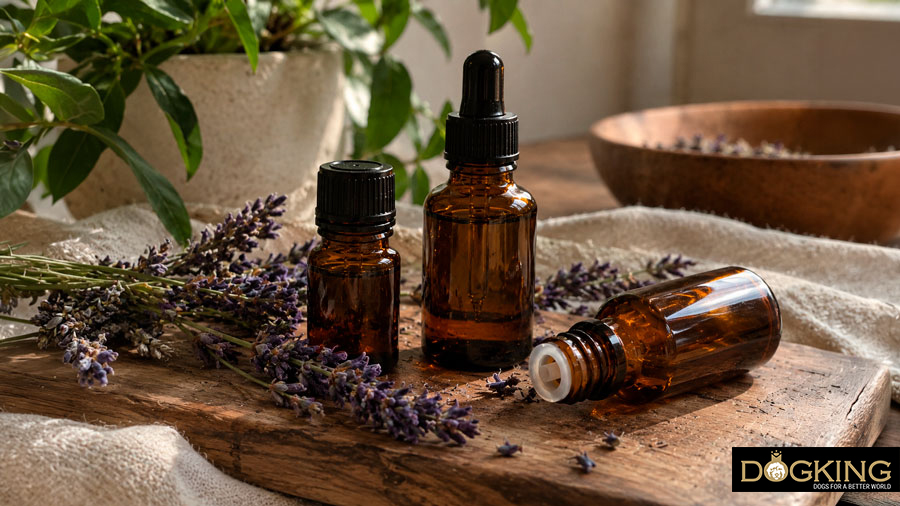
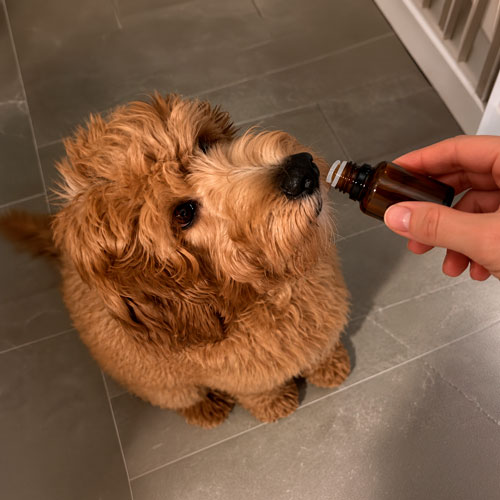
One of the main products on which aromatherapy for dogs is based is essential oils. These are highly concentrated extracts of aromatic plants with medicinal properties. As they are so highly concentrated, only a small amount is needed for therapeutic use. In dogs, these oils should be used very diluted, as their sense of smell is incredibly sensitive and aromas that are too intense can irritate their airways and cause them stress. For this, you can use coconut or olive oil as a base.
How to use essential oils on dogs
As for application, it is preferable to use essential oils olfactively, giving the pet a piece of cloth impregnated with the aroma for them to smell. In this way, the central nervous system receives the stimulus directly through the sense of smell, and the therapeutic effects are very rapid. Essential oils for dogs can also be used topically, placing small drops in strategic areas of their body. The skin will absorb the oil, and its properties will pass into the bloodstream.
If we opt for transdermal application, we must supervise our pet to ensure they do not lick themselves for several minutes, until the product has completely disappeared from the skin. It is very important that, before using any of these oils on your dog, you consult your veterinarian to confirm whether it is safe, the recommended dosage, and the best method of application in each case.
What scents to use in aromatherapy for dogs
There are numerous aromatic plants with medicinal properties that are completely safe for dogs. Any oil or aromatic product made from these plants is suitable for use in these animals, although depending on the effect you want to achieve or the problem to be treated, some scents should be prioritised over others.
Some of the most popular, effective and easy to find include chamomile, with its calming and digestive effects; lavender, which helps dogs relax in stressful situations; and mint, which is used to boost mood and promote mental agility—particularly useful during training.
Other therapeutic aromas safe for dogs include lemon, eucalyptus, neem and orange. However, any herbal medicine manual will help you delve deeper into the properties and uses of each plant. Always remember to check with your veterinarian whether the plant is safe for your dog.
Does aromatherapy work for dogs
When speaking about alternative therapies, there are generally fewer studies compared to conventional medicine. However, some experiments published in recent years suggest that dogs are indeed sensitive to aromatherapy. In other words: their mood and behaviour change when they are exposed to certain smells. Let’s not forget that these animals have an extremely developed sense of smell, with more than 200 million olfactory receptors compared to our 5 million.
To demonstrate the effectiveness of aromatherapy in dogs, Hartpury University in the United Kingdom carried out a study in which several dogs living in the stressful environment of a shelter received olfactory stimulation with scents of coconut, vanilla, ginger and valerian. The dogs were given cloths impregnated with these aromas regularly, and their behaviour was monitored every few minutes for a total of 48 hours. The results were surprising: the dogs exposed to these scents were much calmer, barked less and moved less. In particular, those exposed to coconut and ginger slept more hours.
Another study, conducted by the veterinary group Fear Free Pets and led by researcher Jacqueline Neilson, exposed 32 dogs to lavender during car journeys. The research concluded that dogs who received aromatherapy rested more peacefully and for longer compared to those who were not exposed to lavender.
When to use aromatherapy on dogs
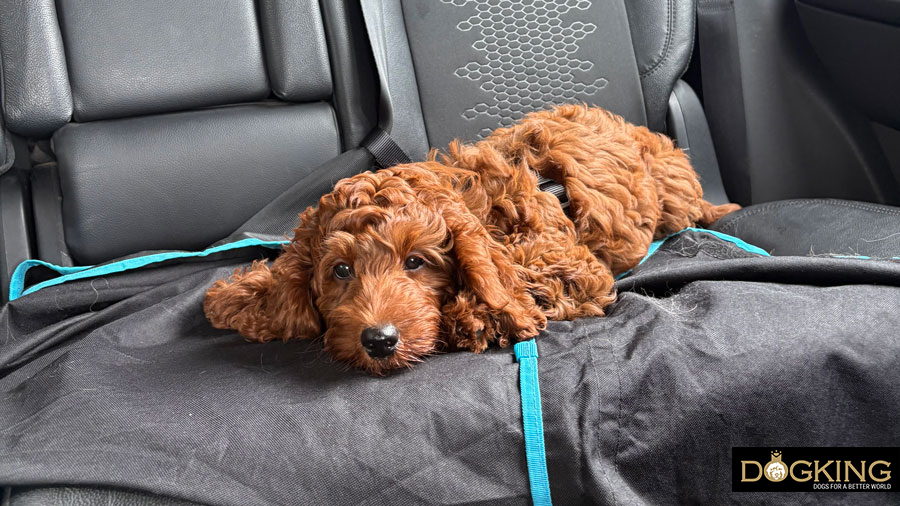
Natural therapies such as aromatherapy can be very helpful in stressful situations where your dog is having a very hard time, such as a visit to the vet, a move, the arrival of a new family member or a car journey. If your pet suffers from excessive nervousness in these situations, consult a professional about the possibility of using aromatherapy as an alternative to sedative medication.
Aromatherapy can also help dogs suffering from separation anxiety, depression, hyperactivity or stress. In all these cases, always seek advice from a veterinarian or ethologist to determine whether aromatherapy is appropriate for your dog.
Other canine aromatherapy products
Candles or incense can also be used in aromatherapy for dogs, but you must be extremely careful when selecting such products. Candles must be made of natural wax and contain plant-based aromas that are safe for dogs, as burning them releases essential oils that the dog will inhale. It is always best to opt for candles specifically designed for canine aromatherapy.
The same applies to incense: choose high-quality products with safe natural oils and no chemical additives, to avoid risking your pet’s health.
Risks of aromatherapy in dogs

Aromatherapy is a completely safe alternative technique for dogs as long as dosage and method of application are carefully controlled. The main risk lies in the ingestion of essential oils or other aromatic products, which can cause irritation of the digestive tract and gastrointestinal problems.
When applied topically, aromatherapy may cause irritation in dogs with sensitive skin; therefore, it is always advisable to carry out a small patch test first. When used in the correct dosage and applied properly, essential oils and other scents can significantly improve your dog’s well-being, helping you both enjoy more happy moments together. Always consult your veterinarian beforehand.