Diseases in Puppies
How to deal with viruses and other health problems in your puppy.

PUPPIES' IMMUNE SYSTEMS
Approximate reading time: 7 minutes
As with babies, puppies are especially vulnerable to illness when they are born and during their first few months of life. This is because their immune system, which is responsible for defending the body against dangerous external agents, is still developing. Over the weeks, puppies strengthen their defences by drinking their mother's milk, by gradual exposure to the environment and, once they are able to eat solid food, by eating a complete, high-quality diet. During this stage, it is important to be aware of the different diseases common in puppies and their symptoms in order to be able to act in time. Many conditions affecting young dogs are mild, although they can become more complicated without proper veterinary care. Puppies are also more prone to more serious viruses. Let's take a look at the most common diseases in puppies, how to recognise them and how to combat them.
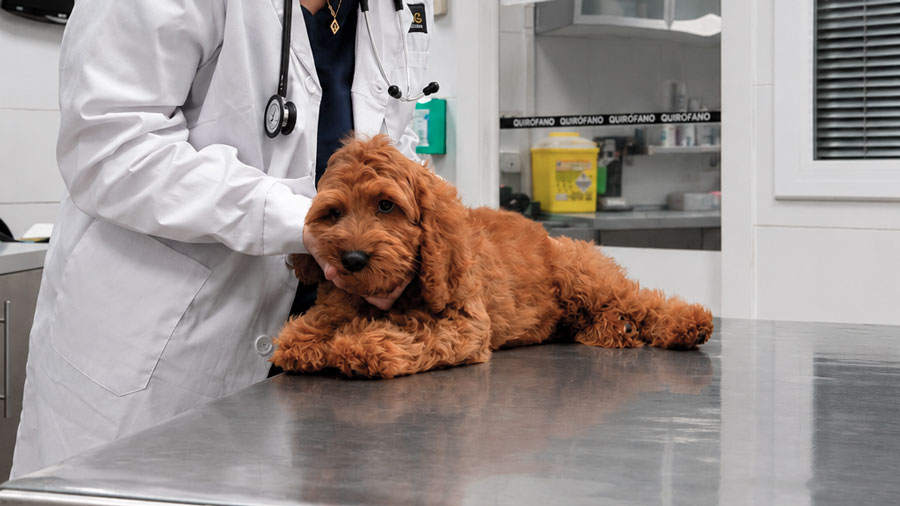
Conjunctivitis
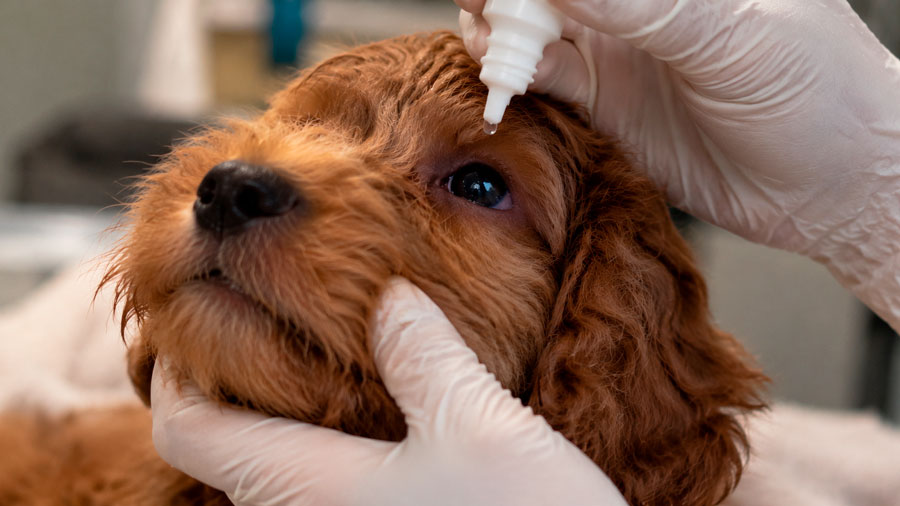
Conjunctivitis is an inflammation of the transparent membrane that surrounds the white part of the eye, known as the conjunctiva. It is caused by bacterial or viral infections, foreign bodies or dust, but can also be triggered by allergies. In puppies, as they have a weaker immune system, it is common for this type of eye infection to appear. The symptoms of conjunctivitis in dogs are redness, tearing, itchiness and a lot of itching, so you will see your puppy desperately trying to scratch it with their paw. Conjunctivitis in puppies is not serious and does not damage their vision, but it can be very contagious, so you should see your vet to treat your puppy as soon as possible.
Allergies
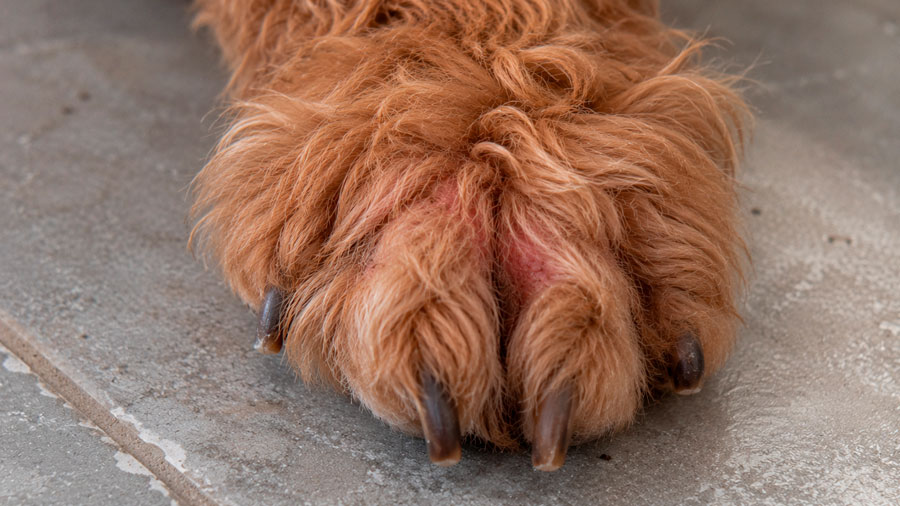
Just as most human allergies are triggered in childhood, many canine allergies are triggered in puppyhood when they go out into the world and try different foods. They most commonly manifest between 1.5 and 3 years of age.
Allergy is an overreaction of the body to a particular allergen, and can trigger digestive symptoms such as vomiting or diarrhoea, itching, inflammation and respiratory problems. Allergies, which can be triggered by food, medicines or certain plants, pollens, cleaning products, mites, etc., are considered serious when they cause anaphylactic shock, as this massive chain reaction in the body puts the animal's life at risk. During the first few months of your pet's life, keep an eye out for symptoms every time you introduce a new food into their diet, and always do so gradually. At any sign of reactivity to any substance, be it food or other allergen, consult your vet.
Diarrhoea and vomiting

Diarrhoea and vomiting are symptoms that may be associated with some diseases but, in isolation, are normal and recurrent in puppies and are not serious. When a puppy arrives in a new home, there are many new things to get used to: new family, change of diet, different habits… All these stimuli could affect their digestive health, so it is normal that the first few days you notice that their stools are soft. If your furry friend suffers from diarrhoea, consult your vet to find out if it is advisable to fast and adapt their diet to one with a low fat content.
The same applies to vomiting. If your puppy vomits in isolation and has no other symptoms, it is probably because something has upset them, as their stomach is more sensitive at this young age. However, if you notice any other worrying signs of vomiting or recurrent vomiting or diarrhoea, seek veterinary attention as this could be due to intestinal parasites or viruses.
Otitis
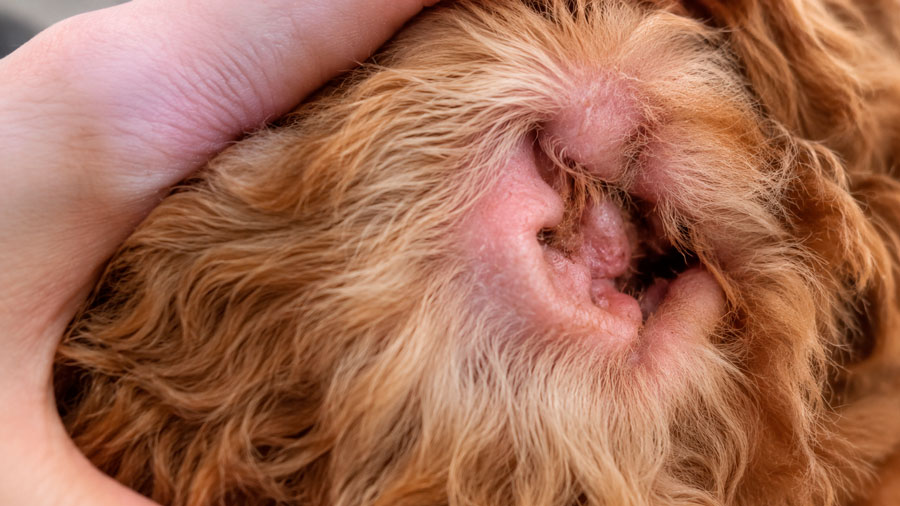
Otitis in puppies occurs when an ear canal becomes inflamed due to an infection, whether due to yeast, bacteria, foreign bodies, mites, allergies or humidity. Keep in mind that humidity in this area can cause infections to proliferate, so be sure to dry your dog's ears thoroughly after bathing. It is also important to maintain good ear hygiene. If you notice that your dog is scratching their ears a lot and their ears are red, contact your vet, as if the otitis progresses it could cause serious damage to their ears.
Parvovirus
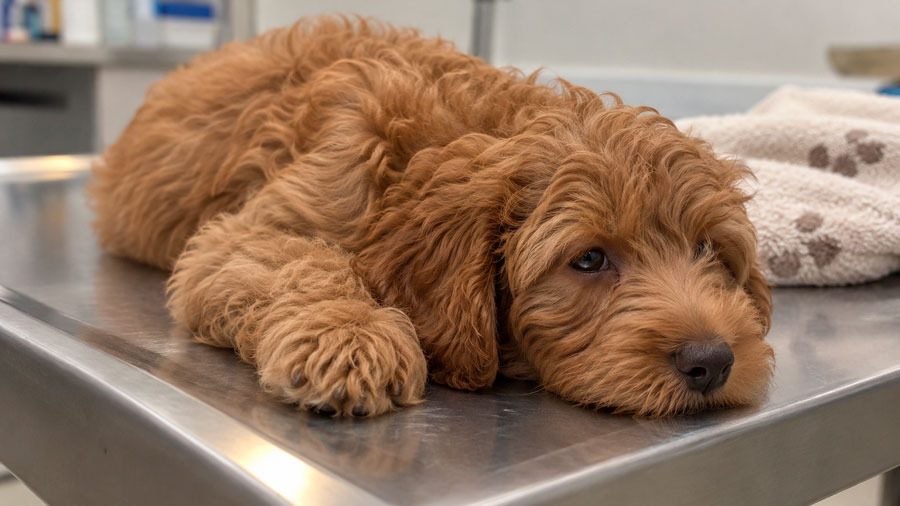
Parvovirus is one of the most common serious diseases in puppies. It is a very resistant gastrointestinal virus which, thanks to vaccination, rarely affects adults, but is easily spread between young puppies. Infection occurs through the faeces of carrier dogs — simply by licking or ingesting the faeces of an animal with parvovirus, your dog could become infected. Symptoms of parvovirus in puppies include vomiting, bloody diarrhoea, fever and poor appetite.
Canine distemper

This typical puppy virus is extremely contagious. It is spread from dog to dog through saliva, urine or faeces. In canine distemper, the virus hijacks the dog's healthy cells to reproduce. The symptoms usually observed are neurological along with conjunctivitis, cough, mucus and eye discharge. There is no treatment for distemper in dogs, but at any sign similar to those mentioned above, we recommend that you take your pet to the vet to control the symptoms until its immune system can neutralise the virus. If you have more dogs at home, you should isolate the puppy so that it does not infect them.
Parasites

Because of their weak immune system, puppies are more vulnerable to parasites. In addition to the annoying symptoms that these unwanted inhabitants of our furry friends' bodies can cause, they are capable of transmitting very serious diseases. Parasites in puppies can be external, such as fleas, ticks, mange mites or phlebotomine sandflies, which spread the dangerous and dreaded canine leishmaniasis.
Internal parasites, such as roundworms (seen in dog poo) or tapeworms, are also common. If your puppy has intestinal worms, you'll notice that the area around their anus is red and swollen, as well as diarrhoea. The danger of these parasites in puppies is that they can lead to malnutrition, so it is important to go for a consultation to eradicate them.
On the other hand, worms caused by filaria larvae are not so common, as they are worms that affect the circulatory system, causing respiratory difficulties, even reaching the heart. They are dangerous, as they cause dirofilariasis, a very serious disease with a high mortality rate in puppies. Its symptoms are respiratory, circulatory or cardiac and also include lack of appetite and apathy. To protect your puppy from internal and external parasites, consult your vet about the most recommended deworming methods for their age.
Stiffness

Due to the activity of a puppy playing, it is very common that they can get hurt; if this happens, take them to your vet for a check-up and appropriate treatment.
How can I protect my puppy's health?

Now that you know how vulnerable and delicate your puppy's immune system is, you're probably wondering how you can protect them from typical puppy diseases.
● The most important thing is to keep your puppy's vaccination schedule up to date and not to let them outside on a lead if they have not yet had the necessary vaccinations to go outside.
● On the other hand, deworming is key for puppies: consult your vet for the most advisable method and doses and have regular check-ups to confirm that your puppy is growing strong and healthy.
● Food is key to strengthening your dog's defences. Offer quality, natural food. Nowadays there are options that are specifically formulated so that they do not lack any nutrients, they are kept in the freezer and can be taken out as they are needed, from the fridge to the plate without having to cook.
● Create a safe and healthy environment for your puppy, with quality daily outing routines…
Failure to socialise your dog can have far more serious consequences than we realise, including the health of the animal itself being at stake. Finding oneself in unfamiliar or unaccustomed situations can lead to insecurities, stress and reactivity. According to several studies, behavioural problems are one of the most influential causes in the development of canine diseases, largely due to an immune system that is increasingly impaired.
And let's not forget mental stimulation, play and lots and lots of love. All this will help your puppy to strengthen their immune system and develop a healthy and vibrant life.