How to teach your dog to take a treat gently
The best way to get your furry friend to eat from your hand without hurting you
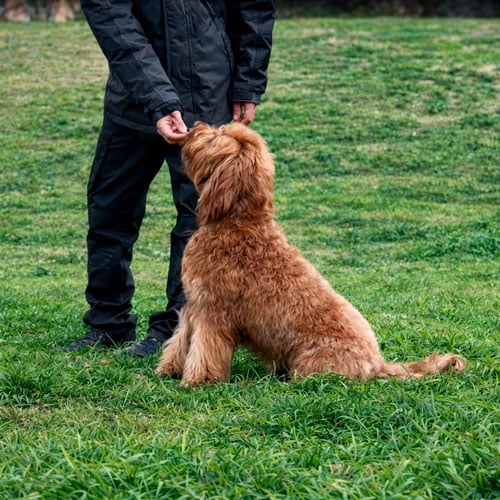
WHY DOES MY DOG GRAB THINGS OUT OF MY HAND ROUGHLY?
Approximate reading time: 7 minutes
There are many occasions when we need to give an object or food directly to our dog with our hand. A toy, a piece of food, a snack... Many of these times, especially if we have not taught our furry friend to take what we offer in a delicate way, we act with fear and insecurity, involuntarily pulling our hand away and placing it in an unnatural position for a dog.
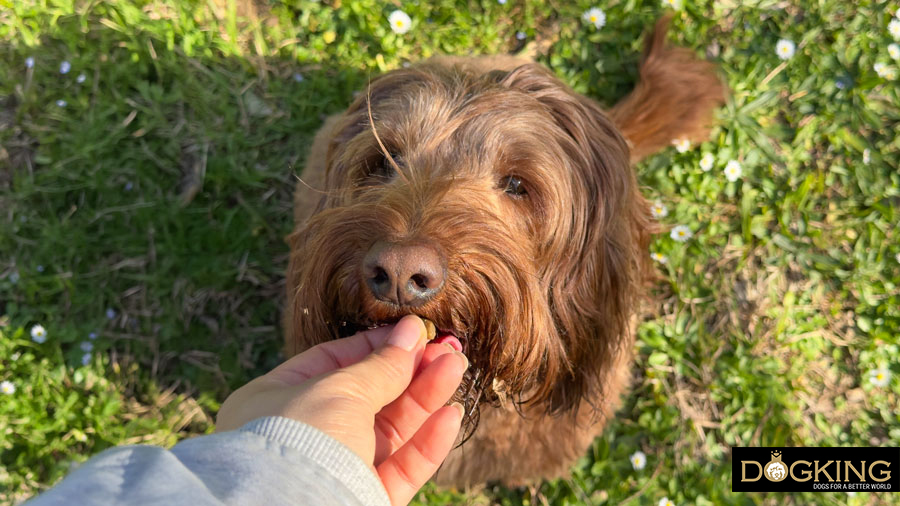
This can cause your pet to become anxious and react instinctively, taking what is in your hand more roughly than you would like. This situation becomes even more complicated when what we give the dog is a treat, which are usually small in size. In this case, the dog has to make a more precise and controlled movement to get the piece of food without hurting us. Let's see how we can teach them to take the treats from our hand without hurting us.
Table of contents
1. Tips for your dog to take treats gently
• Exercises with other objects
2. Is it good to hand feed my dog?
Tricks to make your dog take treats gently
Treats are an excellent option for practising positive reinforcement in any training process that seeks to change our dog's behaviour. Although they should not be abused, by using them strategically we can obtain many advantages and have a positive impact on our pet. However, many handlers are afraid that when they take the treat from the hand, their dog will inadvertently hurt them with their sharp teeth. The truth is that this is something that can happen if you don't teach your furry friend to take treats gently from your hand. Here are a few tips on how to do just that - take note!
• Bite control from puppyhood onwards
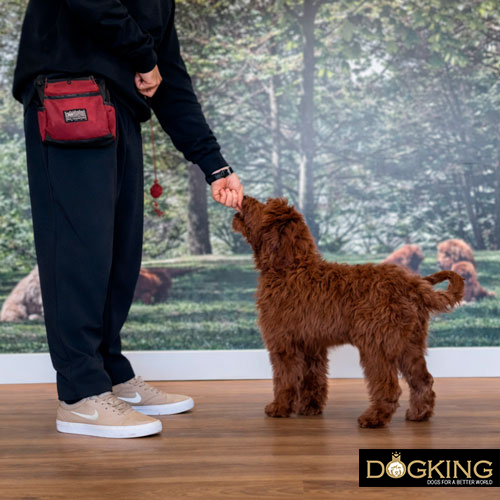
Puppies learn to manage the strength of their bite as early as the litter by interacting with other puppies and their mother. However, it is important that we take advantage of this stage when they are most susceptible to learning to teach them how to treat our hands. If your puppy tries to play with your hand and bites you too hard, or you offer something directly into their mouth and they hurt you with a disproportionate bite, you will have to correct them, even if they don't hurt you because their teeth are still fine. Just say ‘NO’ in a firm, complaining tone, without shouting or getting upset. When they loosen their bite or pull away from you, reinforce this behaviour by giving lots of strokes or continuing to play. If they continue to insist, get up, ignore them and even walk away, so that they understand that they have annoyed you. In this way, your dog will understand that they must always treat your hands gently if they want the fun to continue.
• Don't play with your hands
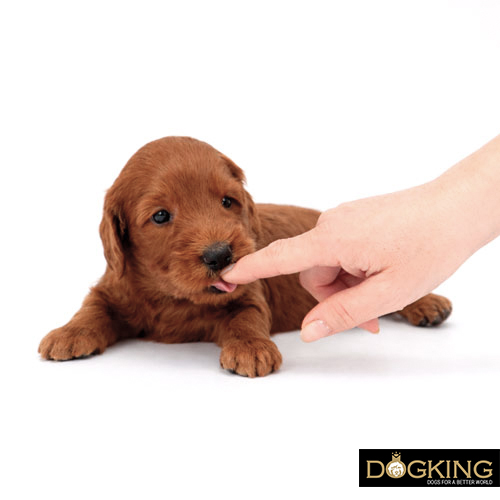
Playing with your dog using your hands while they are still a puppy may not hurt, but wait until they are older: the situation can change a lot when your pet's teeth are fully developed, and at that stage the habit will be more established in their behaviour and will be more difficult to change. Your dog should not associate your hands with a toy, otherwise they may react more impulsively when you offer them a treat with them.
• Practise the ‘sit’ command
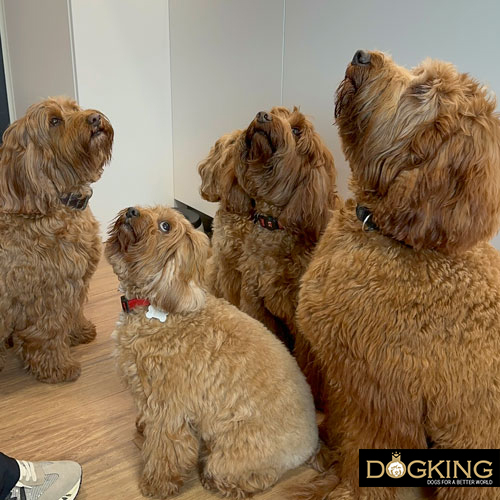
If your dog gets very excited when you are about to offer them a treat with your hand and this causes them to react in a crude manner, practise signals such as ‘stop’ or ‘sit’ with them to request a moment of calm before going for the snack. Here is how to act in two different situations:
- 1. With the dog sitting:
- A) We stand in front of the dog.
- B) Take a treat, let them sniff it and wrap it in your fist.
- C) We bring it close to the dog's muzzle from above, passing over their head.
- D) They will instinctively sit down. Then we introduce the verbal command ‘sit’ and deliver the reward and verbal congratulations.
- E) Continue the exercise for several more training sessions until they understand it.
- F) We will try saying only the verbal command and, if they sit, we will continue working from here. If not, we will continue with the previous step, until learning is consolidated.
- G) We will gradually move away from the dog and increase the time they remain there.
Learning your dog to sit is not a whim, but a way of instilling calm at strategic moments, such as when you want them to relax before going for a treat you have in your hand. If your dog approaches you calmly, they will have much more control over the movement and force of their muzzle on your hand.
• Exercises with other objects
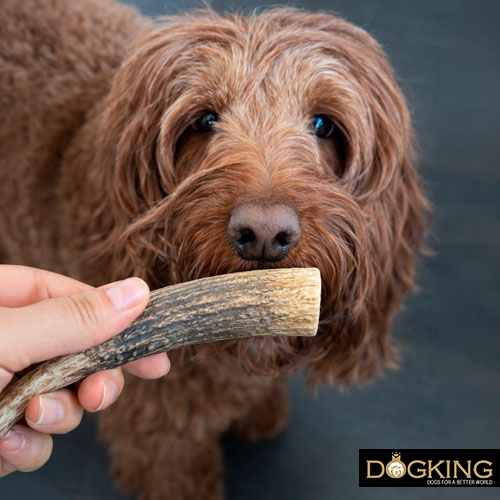
To help your dog improve the fine motor skills required to gently take something from your hand, you can practice with objects of different sizes and consistencies, such as toys and treats of varying hardness and texture. This will help them get used to different degrees of precision. Of course, be very careful not to let go of the object completely to avoid scares, and reward your dog when they are gentle in picking it up. If they act rough, say no and try again. You will see how little by little they adapt to the exercise.
• Position of your hand
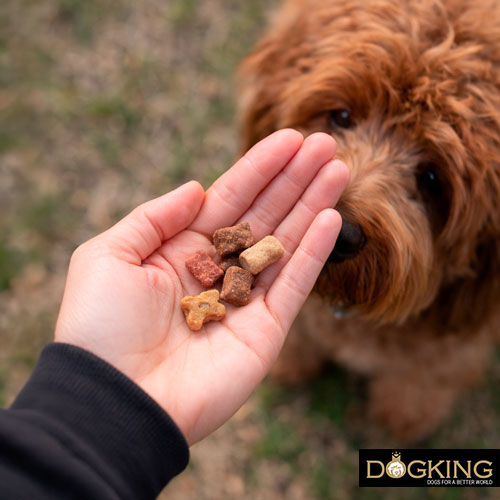
Even if you think your dog is very rough and doesn't know how to take the treats from your hand gently, one possibility is that it is you who is not giving it the right way. If you usually hold the treat with your fingers and thumb, i.e. your hand in a relaxed claw shape, your dog may find it difficult to grasp the treat, so they will struggle and could more easily injure you unintentionally. The best thing to do is to place the treat in the palm of your open hand and bring it securely to your dog's mouth. You will see how much more agile, quicker and gentler your dog will be when taking the treat.
• Do not tip
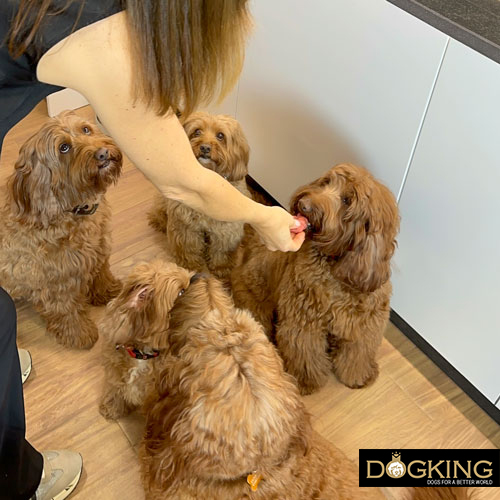
Some people who have had bad experiences giving treats to their dog and have hurt themselves with their teeth may develop fear, which will cause them to approach the animal unsafely. If you are hesitant to approach your pet, backing away from them in case they inadvertently bite you, they will become increasingly anxious. Feeling that their prize is slipping away, they will act faster and rougher to get it. So put fear aside and offer the treat to your dog in a confident and determined manner, with the palm of your hand facing upwards. You'll see them catch the snack on the first try and without damage.
Is it good to feed my dog with my hand?
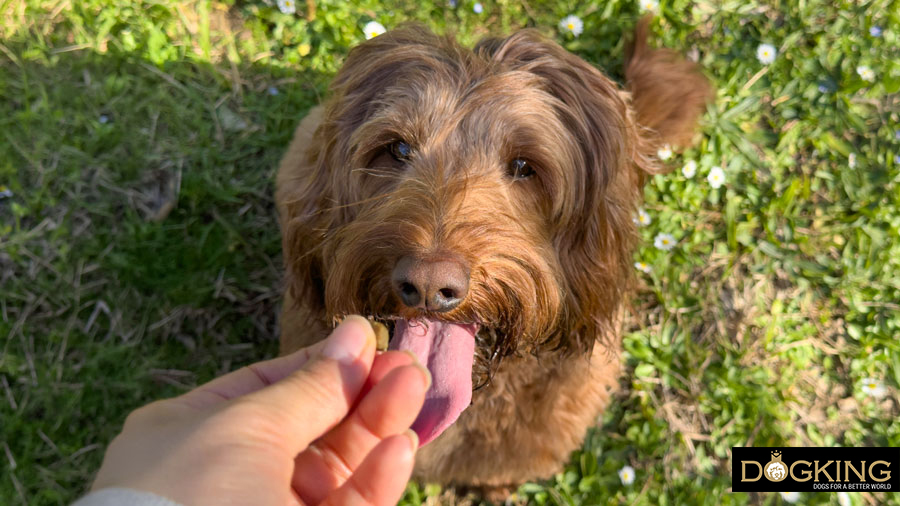
Offering treats or pellets of your own food (a portion or your portion) to your dog with your hand is a great way to strengthen your bond and get your dog to trust you, especially if they are a little skittish. It will also help you to use treats as a reward to fix certain behaviours. However, be careful not to do this all the time, as it is important that your dog is independent when it comes to eating and does not require your presence.
Follow our tips for teaching your dog to do this carefully and approach them in a determined, calm and fearless manner. Let us know how it goes!