How to get my dog to lose weight
5 keys to help your pet lose weight and gain health.
THE PROBLEM OF CANINE OBESITY
Approximate reading time: 8 minutes
Sometimes it happens that, with the best intentions of caring for and pampering our dog, we end up offering them more food than they need, either with a full plate or with constant treats and snacks. This overfeeding, combined with a lack of exercise, can cause your dog to become overweight or even obese. You may think it's OK for your dog to be a couple of kilos overweight, but bear in mind that this figure, in proportion to his body mass, is not as low as you think.
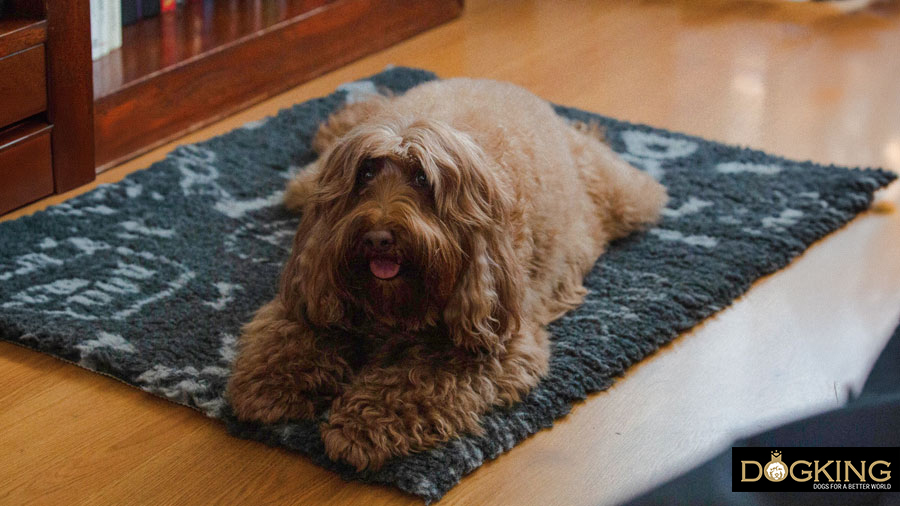
Canine obesity is a risk factor for a number of diseases, including heart and respiratory problems, joint wear and tear, diabetes, weakened immune systems, high blood pressure and digestive disorders. The likelihood of your dog suffering from these conditions increases with age. Unfortunately, overweight and obesity in dogs is not a residual condition. Sedentary lifestyles and the frenetic pace of today's society mean that many owners do not have time to take their pets for long walks and to plan their diets correctly. In this regard, the data suggest that 1 in 3 dogs are overweight.
If your furry friend has a few extra pounds, don't worry, you can help them to lose weight safely so that they are fitter and can enjoy a better quality of life for many years to come. Here are a few tips to help your dog lose weight.
Table of contents
1. How do I know if my dog is overweight?
3. Control treats and extra food
5. Your dog's weight loss depends on your perseverance.
6. Maintaining your dog's ideal weight
How do I know if my dog is overweight
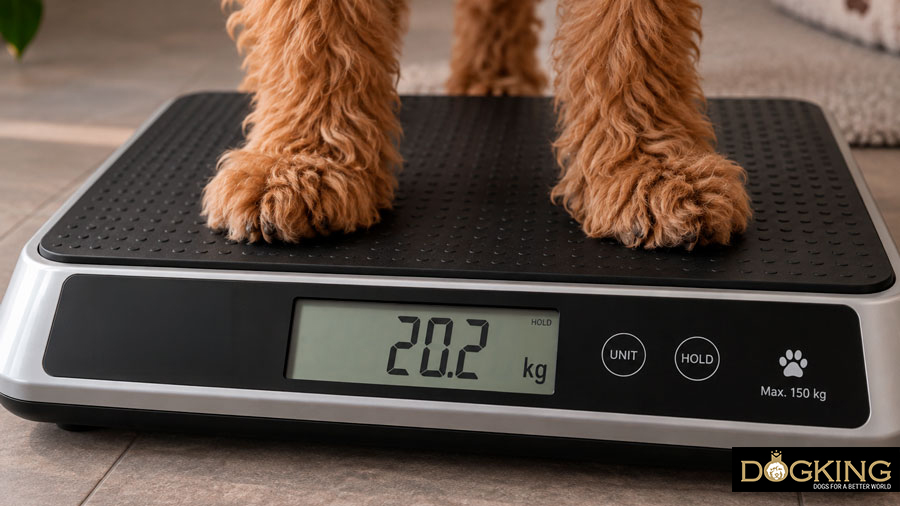
The quickest and safest way to find out if your dog is a few pounds overweight is to weigh them. You can then compare the figure on the scales with the ideal weight. For a healthy target weight for your dog's breed, size and age, it's best to consult your vet. To weigh your dog, simply pick them up in your arms and step on the scales, size permitting. Then weigh yourself and subtract your weight from the above figure to get your pet's weight. If your dog is very large and you are not comfortable with this system, the veterinary clinic will weigh them without any problems.
In addition, some clues that will indicate that your dog may be overweight are as follows:
- Difficulty in palpating your dog's ribs.
- Accumulation of abdominal fat that hangs down when walking.
- Excessive panting under minimal exertion.
- Rounded waist.
- Difficulty in distinguishing how his abdomen rises and falls with his breathing.
Changes in your dog's diet
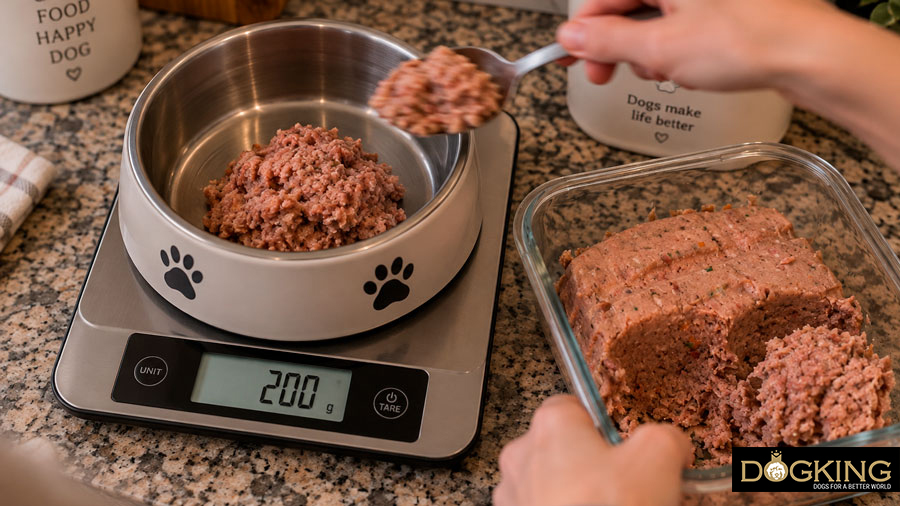
Once you know your dog's ideal weight, you will have a clear goal to aim for. The first step is to check the dosage you are giving your dog because it may be excessive. Remember that a puppy in its growth stage eats more than an adult, so regulate the dosage as it grows.
Depending on how many kilos your dog needs to lose, it may be necessary to change the diet.
If your dog is very overweight, talk to a nutritionist who specialises in canine diets to help you create a natural diet that is right for your furry friend. The change in diet will need to be gradual. If you replace it all at once, your dog may suffer from digestive problems.
It is also advisable to divide the food into 3-4 feedings so that, in the process of losing fat, your dog experiences more glucose surges throughout the day, thus increasing their feeling of satiety. In addition, we advise you to set fixed feeding times for your dog. This way, your dog will not be so anxious or begging for food, as they will know when it is their turn to eat during the day.
Control treats and extra food
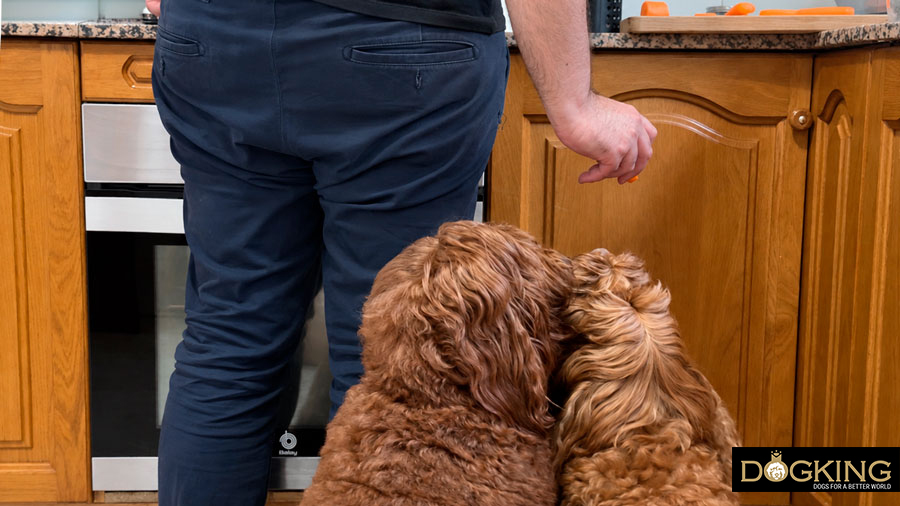
If you're someone who enjoys treating your dog to snacks and bits of food, we're sorry to say that you'll have to stop doing this if you want to help them lose weight. Using treats to positively reinforce your dog during training is very positive, but you can intersperse them with other types of rewards, such as petting or toys. You can also choose to buy low-calorie snacks or even replace them with small pieces of vegetable or fruit that are safe for your dog. These options are often much lighter and healthier than industrial treats, but make sure that the food you offer your dog is non-toxic.
Exercise with your dog
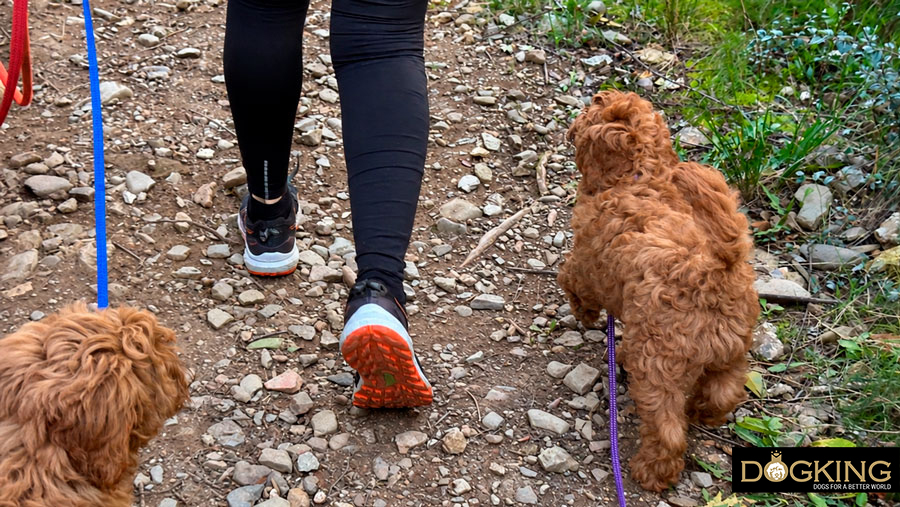
Losing weight is not the only goal you need to set to combat your dog's obesity. As well as reducing their calorie intake, it is essential that you increase their physical activity. In this way, as well as helping them to be in a calorie deficit to lose weight, their muscles will develop, in addition to a long list of other benefits of exercise for dogs. If your dog is quite overweight, we recommend starting with gentle exercise, for example by increasing the length of walks. Gradually, you can increase the intensity, with everyday activities such as climbing stairs, going for a run together or going for a walk in the countryside. In any case, pay attention to your furry friend to avoid over-exertion.
Your dog's weight loss will depend on your perseverance
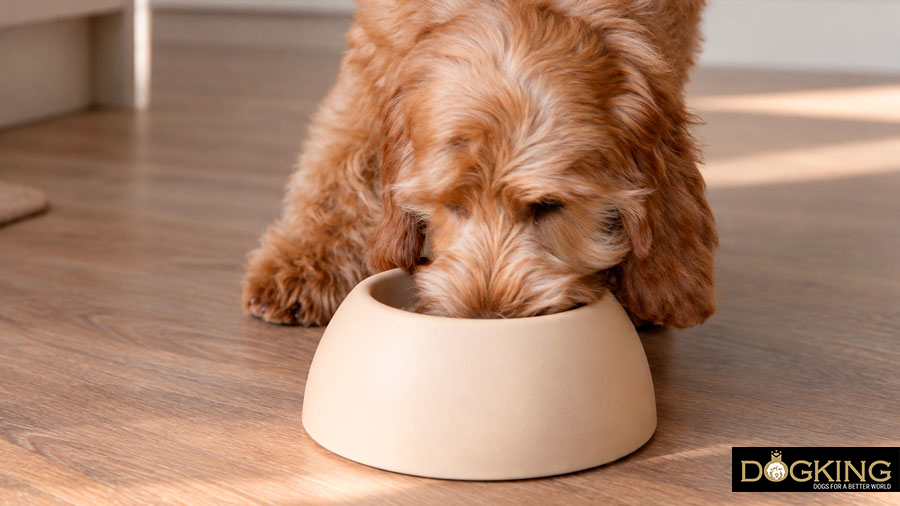
Your dog's weight loss process may not be a bed of roses. Bear in mind that if your dog is used to always having an overflowing food bowl, being fed chunks of food throughout the day and leading a fairly sedentary lifestyle, they may not take kindly to new healthy habits. So our advice is to implement the changes gradually to make it easier for your dog to adapt, but at the same time be firm and consistent to ensure that they successfully lose weight.
Depending on the changes you make and your dog's own body's ability to burn fat, it may take more or less time to see results. Reaching the ideal weight recommended by your vet should not be a race, on the contrary, weight loss should be gradual and safe. At around 4-6 weeks you may notice some changes, which will progress if you continue to make consistent changes to your dog's diet and exercise.
Maintaining your dog's ideal weight
Once your dog has reached their recommended weight, don't get complacent. Consult with your nutritionist to adapt your dog's diet to a maintenance diet and continue to exercise your dog daily to keep them in good shape. Getting your pet to stop being overweight is not a matter of aesthetics, but the only alternative to give them the quality of life they deserve and to allow them to enjoy a long and healthy life by your side.