How to recognise fractures in dogs
Broken bones and other canine injuries require urgent veterinary attention.
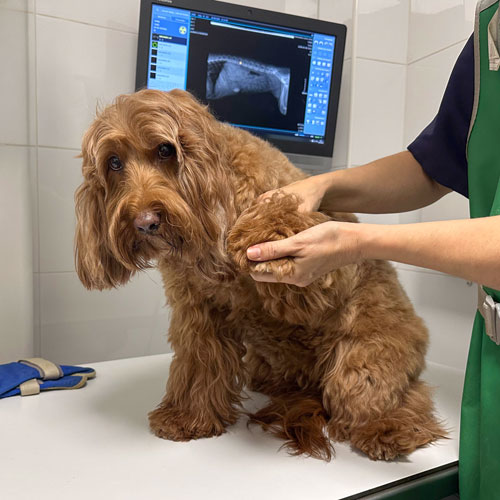
BONE FRACTURES IN DOGS
Approximate reading time: 7 minutes
Our furry friends are an inexhaustible source of happiness and good times, but, from time to time, they can also give us a scare or two. No matter how much we take care of them and keep a close eye on them, dogs can also suffer accidents that can cause injury. Depending on how strong or serious the impact that generates this injury is, our pet can experience anything from a small traumatism that will resolve itself at home, to a sprain or, ultimately, a fracture.
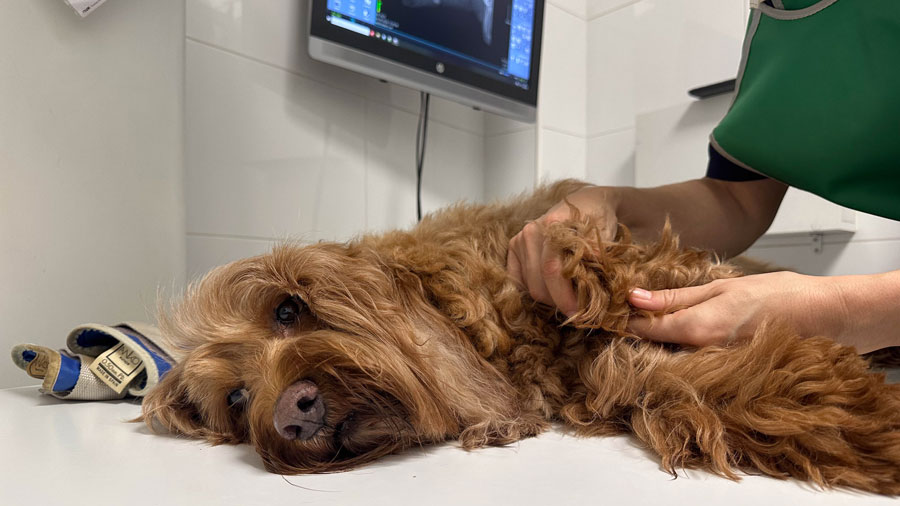
For your dog to break a bone, there has to be an intense accident involved, whether it is run over, a fall from a great height or a very strong blow. In dogs, the bones most prone to fracture are the ulna, radius, femur, jaw, skull, pelvis and spine. These types of injuries require the intervention of a veterinarian, and under no circumstances should we try to treat them at home. But how can we identify a bone fracture and distinguish it from a sprain or trauma?
Table of contents
1. Symptoms of bone fracture in dogs
2. What to do if my dog has broken a bone?
3. How do I know if my dog has a sprain or a fracture?
4. How do I move a dog with a broken bone?
5. Here's what not to do if your dog has broken something
6. How long does it take for a broken bone to heal in dogs?
Symptoms of bone fracture in dogs
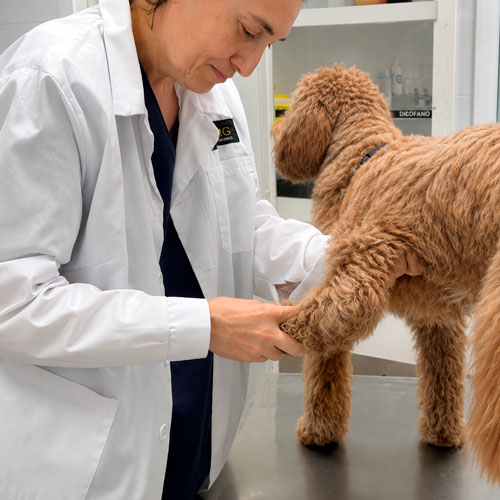
There are two types of fractures in dogs, open/closed or compound/single fractures. The former are more easily detectable because the bone is visible through the wound that the accident caused. However, closed fractures do not show above the skin. If your dog has suffered a large contusion, this is the first sign that should make you suspect a bone fracture. Although there doesn't necessarily have to be a break, it's always better to be safe than sorry and get your dog checked out by your vet. Here are some other signs that your dog may have broken a bone.
- The pain is very intense, with constant panting or whimpering.
- They are flighty, frightened and will not let themself be touched.
- If the fracture is in the paw, they will not be able to support it, and will walk, if they can, with it hanging down.
- Swelling in the fractured area.
- Continuous licking.
- The paw is bent at an odd angle.
- May react to contact by trying to bite as a defence if in great pain.
- In skull fractures, a sunken area may appear on the dog's head.
What to do if my dog has broken a bone?
If you suspect that your dog has broken a bone, the most important thing is to keep calm and immobilise them so that they do not move, in your arms, by putting them in a carrier... and take them to the vet as soon as possible. There, the professional will examine them and take an x-ray to assess the type of injury and establish the best treatment. If there is a fracture, the vet will discuss with you the possibility of immobilising the area with a bandage or splint, or of carrying out surgery. He will also check for internal organ damage, haemorrhage or infection. For all these reasons, it is essential to visit the vet if your dog has suffered an accident or blow and shows signs of pain. Even if it is not a broken bone, it could be a crack or sprain that still needs to be treated.
How do I know if my dog has a sprain or fracture?
In addition to fractures, there are other injuries, in principle less serious, that could cause your dog to suffer pain and require a visit to the vet. The most common is a sprain, which is a forced strain of a joint. Your dog could sprain it when they fall badly after a big jump or during a very intense play session with another dog. In addition, being overweight and age are risk factors for sprains in dogs. Some of the symptoms you might notice in your dog are lameness, swelling, excessive licking and pain on contact. While a sprain can be very painful for your dog, a broken bone usually generates higher levels of stress, whining and howling, as the suffering is more intense. However, some sprains (there are levels 1 to 3) can be very complex and extremely painful, so in any case you should still take your pet to the vet.
How to transfer a dog with a broken bone?
If you suspect a broken bone, the most important thing is to try to keep the area involved immobile while you take your dog to the vet. If the fracture is in a leg and the dog can walk, accompany them closely to the car to help them if they lose their balance. If the dog cannot walk or you think the injury may involve the spine, pick them up gently if they will allow you to do so. When the animal is showing signs of high anxiety or biting, it may be advisable to use a muzzle. This is why it is important to get dogs used to muzzles from an early age, as we never know when they will be useful.
In small dogs, you can hold him horizontally with one hand on his head and one on his hips, keeping them as upright and immobile as possible until you take them to the car. If your dog is large, ideally they should be transferred to a rigid surface that doubles as a stretcher, or if not, placed on a blanket by pulling on the four corners. Once in the car or taxi, help them to lie on their uninjured side. When you arrive at the vet's office, let them know that your dog has had an accident and the staff will come and pick them up.
Here's what you should never do if your dog has broken something
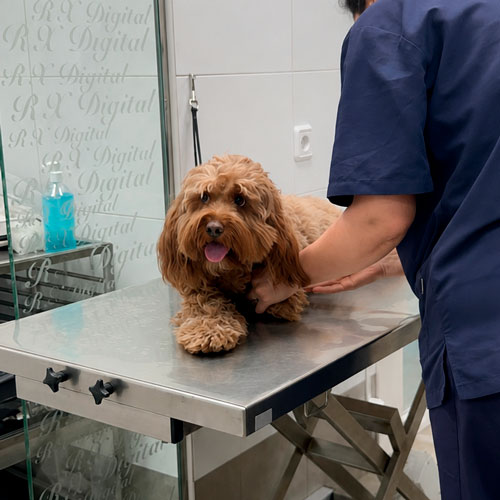
What you should never do is try to manipulate the dog's fracture, such as repositioning the leg. Not only could you make the problem worse, but because the dog is in so much pain, it could react defensively and bite. Of course, don't give your pet any medicines from your medicine cabinet either, as many of the over-the-counter drugs we usually keep in the house are toxic to dogs. We know it's very distressing to see your furry friend in pain, but as soon as you get to the vet, they will give them safe painkillers or anti-inflammatories to make them feel better.
How long does it take for a broken bone to heal in dogs?
There are many types of fractures that can affect dogs. Those that are not extremely complicated usually have a good prognosis, although recovery may take weeks, as it is important that the bone is well knitted and the dog may need rehabilitation. The vet will give you guidelines for their care during these days of convalescence, so it is very likely that you will have to keep a close eye on them. If the fracture has caused other internal damage or is very complex, recovery may take longer. In any case, the important thing is to follow the professional's recommendations and help your pet as much as you can until they are well again.