How to teach your dog to give you a paw
Work on your pet's training with this simple trick
WHY IS IT GOOD TO TRAIN MY DOG?
Approximate reading time: 7 minutes
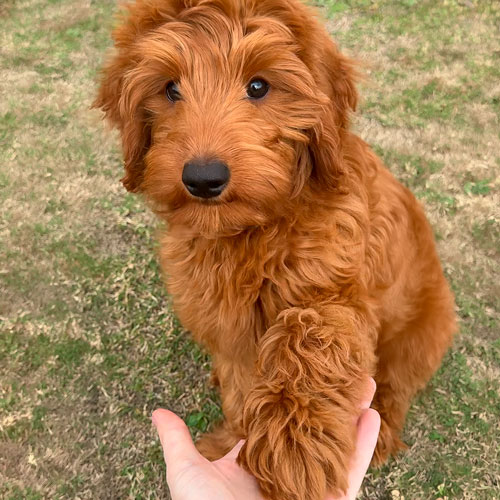
Who doesn't like to teach their dog fun tricks and have a good time together? Giving a paw is one of the most popular exercises among dog owners. Shaking hands or squeezing hands as a sign of affection is a very common behaviour in humans, and it is normal that we find it very tender and funny when our furry friend does it too.
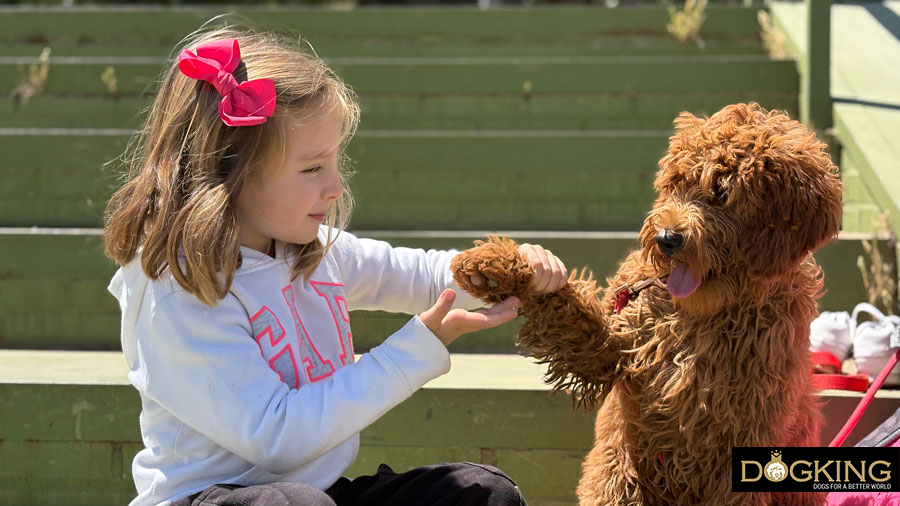
While it is true that teaching your dog to give you a paw does not have a specific use, as is the case with the ‘sit’ or ‘come here’ signals, any training exercise is, in itself, beneficial for your best friend. By training your dog, you will help their cognitive development, their mental health, their physical condition, their stimulation, their obedience... A properly trained dog will feel happy, balanced and will adapt much more easily to new situations. Don't you want something like this for your furry friend? Then let's get to work! Let's see how you can teach your dog to give you their paw.
How to get your dog to give you a paw
Practising training tricks with your dog not only greatly benefits their physical and mental health, but is a great way to spend quality time together, maintain motivation, reinforce obedience and prevent behavioural disorders. The giving a paw exercise is an excellent choice for dog training beginners, as it is quite easy for them to understand. However, it is essential that you have first worked on the ‘sit’ signal and that you take the following tips into account to make the learning process enjoyable and effective. This way you can get your dog to give you their paw when you ask them to.
• Before training
Before training your dog to give you their paw, you should prepare a quiet, comfortable space where it is easy for them to concentrate. You will also need to have some treats or food pellets on hand to use as a lure, although if your dog has just eaten and has had their fill, a toy that they really like may work better. The luring technique in dog training involves using a treat as bait to direct the dog's movements, motivate the behaviour and positively reinforce it. Therefore, make sure, especially at the beginning, that the reward you choose is very attractive to your pet. In addition, it is advisable that during training your dog has water available, so don't forget to place a bowl nearby.
• Short training sessions
In order for your dog to learn to give you a paw, you will have to train for a certain amount of time, doing several repetitions of the exercises. However, it is very important to keep the sessions short, no more than 5-10 minutes in the beginning. You can start with a 10-minute workout divided into two 5-minute parts, with a 3-minute rest. Also, try to always end the session at a peak time when your dog is motivated, so that you leave them wanting more for the next training session. Gradually, as you see that your dog is getting the hang of learning, you can increase the length of the training sessions. Remember to always adapt to your dog's pace, don't be too hard on them and, of course, no punishments or scoldings. Keep a calm, pleasant and flexible attitude to avoid frustration and to allow your dog to learn the trick in a fun and safe way.
• Work with your dog sitting
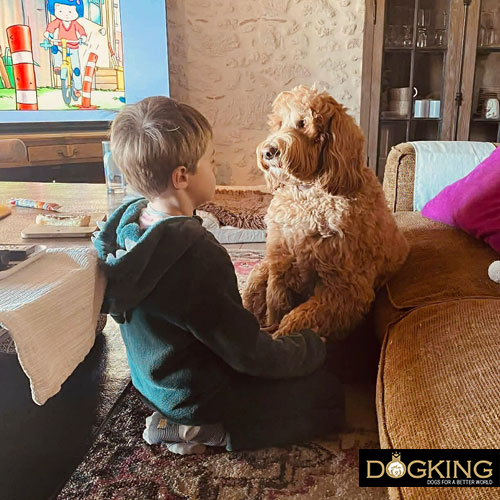
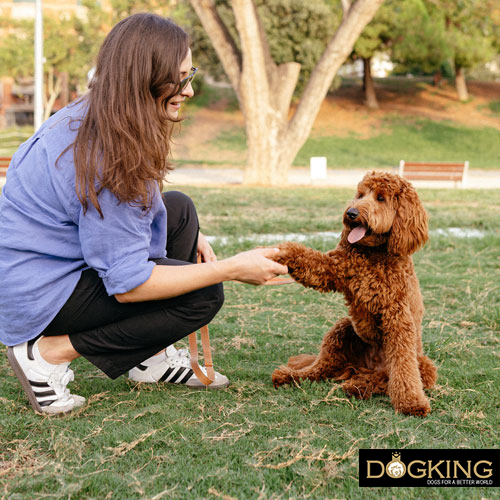
The exercise of giving the paw is quite simple for dogs, although there is one basic notion that your pet must learn before this training: to sit when you ask them to. To ask your dog to give us a paw, we must always do so from a sitting position. Once your pet has learned to sit on your signal, ask them to do so and, from here, show them how you introduce the treat you have chosen into your closed fist. Bring your hand to their muzzle and, naturally, your dog will most likely try to get their reward by scratching your fist with one of their front paws. At this point, you should give them a signal of your choice, such as ‘paw’ or ‘snap it’. A single word will make it easier for your furry friend to learn.
If your dog doesn't try to get their reward by scratching, try using another, more attractive lure, or you can even gently pick up their paw to guide their movement. Whether they scratch your hand to get their treat spontaneously or you have to help them, reward them by offering them the lure and congratulate them on how well they have done. When you have practised this exercise a lot, your dog will have understood that they don't need to scratch your fist because you always offer them their treat, so they will simply make the gesture of placing their ‘hand’ on yours.
• Training by cue or by gesture?
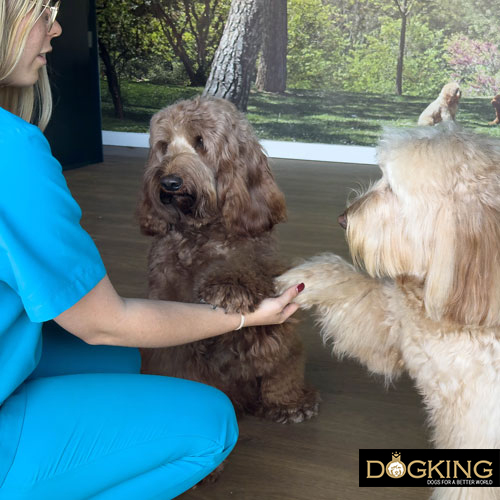
To teach your dog to give you their paw, you can work with a verbal signal like the ones we have seen, or simply with the gesture of bringing your fist forward. The ideal, in fact, is to combine both techniques. Dogs communicate with us primarily through sight, so it is very useful to use gestures to anchor learning. On the other hand, to reinforce the message even more, we can add a key word that the dog can easily identify. It is normal that, with practice, your dog will no longer need the verbal signal and will understand what you want to tell them just by observing your gesture. They are super observant!
• Can all dogs learn to paw?
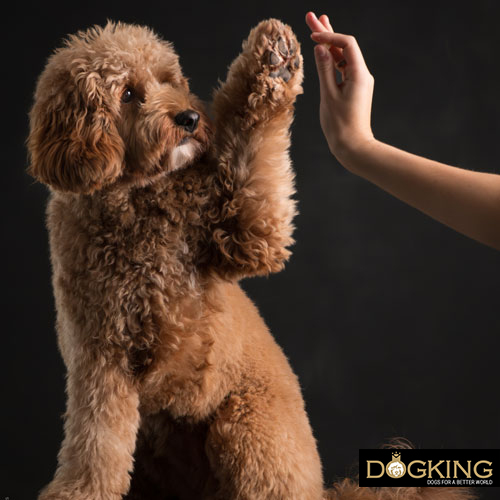
With a good training method with an appropriate level of difficulty, which is progressive and is prolonged for the necessary time, any dog can learn to give the paw. It is true that there are some breeds that use their paws more naturally, such as the Boxer or the English Pointer. In addition, some dogs, such as the beagle, or hunting dogs, have a very marked natural instinct to point out prey with their paws when they detect prey through their sense of smell. This behaviour, inherited from their ancestors the wolves, can facilitate the exercise of giving the paw, as they have more ease in using their limbs.
However, with patience, time and following our advice, you will be able to teach your dog to give you a paw, whatever breed they are. Make sure that your dog has fun and that the training is never frustrating for them, otherwise they will become demotivated and it will be very difficult for them to learn. Another thing to keep in mind is to always give them the same hand, because if you offer them the left and right fist indistinctly, they may get confused and it will be more difficult for them to learn. Let's get to work!