How to treat a dog injury
First aid basics to help your furry friend at home
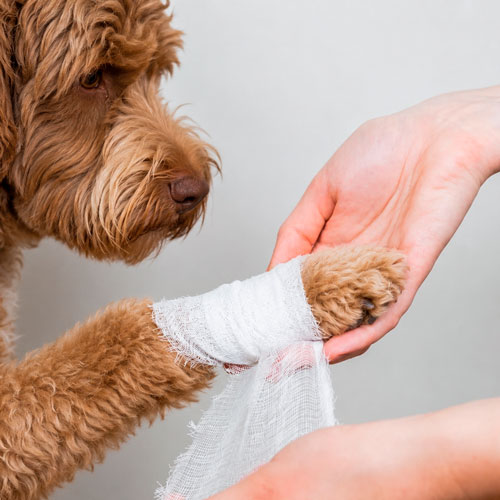
WHAT TO DO IF MY DOG HAS AN INJURY
Estimated reading time: 7 minutes
Dogs are very active animals and are happy running, jumping, playing with other dogs and, in short, exploring the world around them with their five senses. This can sometimes lead them to suffer minor accidents such as cuts, wounds, scratches, bumps or even burns. As long as these injuries are minor, you can treat them at home to save time. To do this, it is important that you know the steps to follow if you detect a small injury on your furry friend.
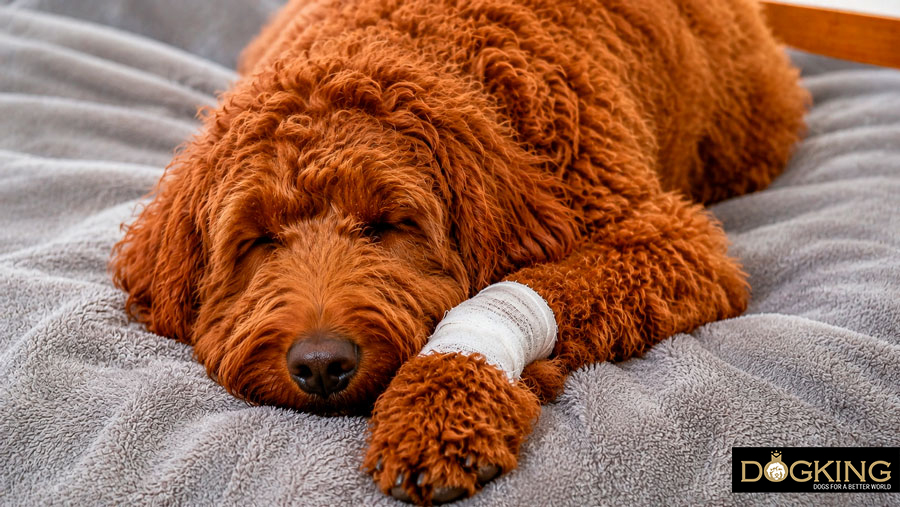
Table of contents
1. How do I know if my dog has a wound?
2. Step-by-step guide to treating a wound on your dog
• What do I do if my dog won't let the wound heal?
3. When should I take my dog to the vet if they have a wound?
How do I know if my dog has a wound?
Dogs are very communicative animals, so even if your pet's injuries are not visible to the naked eye, there are some signs that something is wrong. If your dog exhibits any of these attitudes, it's important to check for injuries to their body.
- They are flighty and hide from you.
- They exhibit listless behaviour.
- They walk with a limp.
- They have much less appetite.
- Repeatedly licks the same area of their body.
Step by step how to treat a wound on your dog
If you suspect that your dog may have been injured in some way, the first thing to do is to carry out an ocular inspection of their body. Sometimes a dog's wounds or cuts are visible to the naked eye, so look closely for any injuries. Secondly, if the first step did not reveal anything, you should feel your dog's body and paws very carefully, gently pulling their fur aside to look at their skin. Some dogs are less tolerant of handling, so try to be very gentle and reassuring at all times. For situations like this it is very important to socialise your pet from puppyhood, as the more experiences they have at this stage, the more flexible they will be to all kinds of situations in adulthood. Once you have identified the source of your dog's discomfort, follow these steps to heal the wound at home quickly and easily.
• Clean the wound
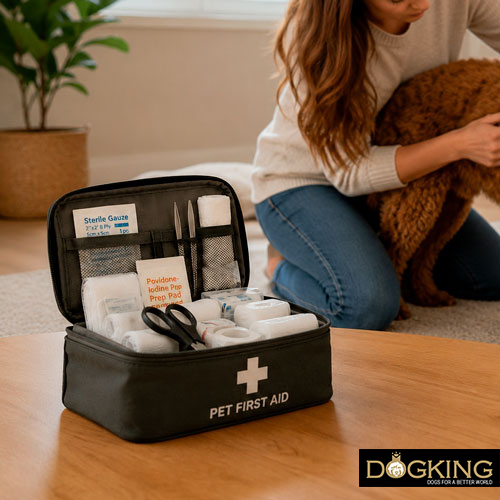
To make sure there is no dirt or foreign objects in your dog's wound (most likely if they have been injured outside the home), you will need to clean the area thoroughly. You can do this with chlorhexidine or, if you don't have any in your medicine cabinet, saline solution or just water, until you can buy some. Use sterile gauze to help the chlorhexidine reach the entire wound. If there is something stuck in the wound, carefully remove it with the gauze or tweezers. We do not recommend using cotton wool in these cases, as its fibres could get caught, leaving residue on the affected area.
• Disinfect the lesion
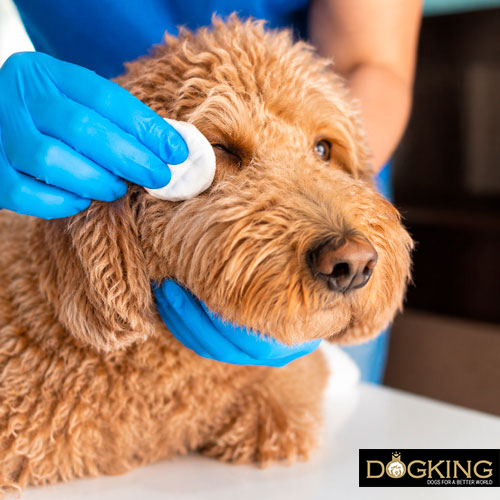
To prevent bacteria from proliferating and your dog's wound from becoming infected, it is important that it is well disinfected. It is best to use chlorhexidine or iodine diluted in water and a gauze pad, moving from the inside of the wound outwards. Some vets may recommend hydrogen peroxide, but be aware that it can cause skin irritation due to the difference in pH with your furry friend's skin, so always check before use. Alcohol is not recommended, as it also irritates and itches the dermis.
• Let the wound dry
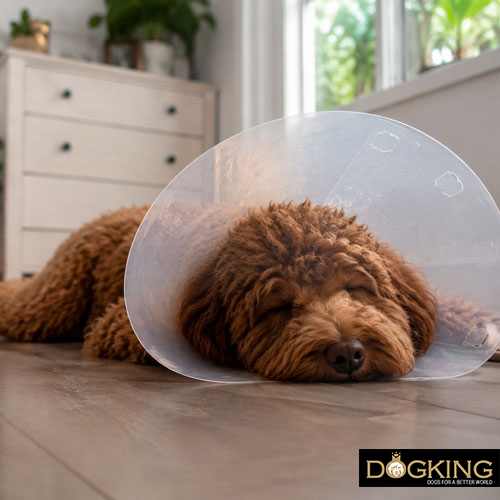
Although you may intuitively think that covering your dog's wound will help them heal quickly, the opposite is true. By not sweating, the wound may soften, slowing healing. The best thing to do in most cases is to leave the wound to air dry. Keep a close eye on your dog to prevent excessive scratching or licking. Dogs have a natural instinct to lick their wounds, as their saliva contains healing enzymes. However, the erosion of the tongue from licking can open the wound further and make the injury worse, or infect it with bacteria from the saliva, so in some cases you may need to use an Elizabethan collar (always check with your vet first). If you decide not to use the collar, you can cover your dog's wound at specific times when you cannot keep a close eye on them, such as during the night.
• What do I do if my dog won't let the wound heal?
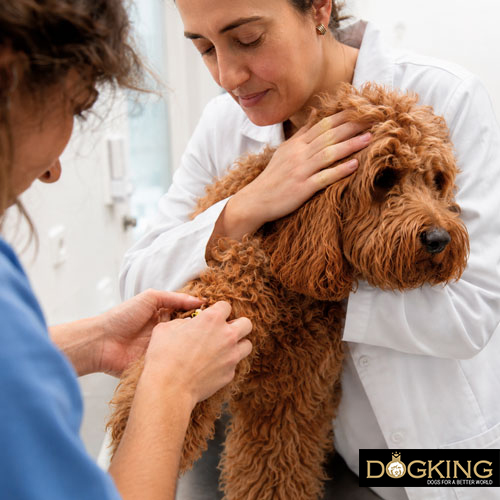
If your dog has an injury to their skin, it is normal for them to feel uncomfortable and sore, which could lead them to instinctively avoid your contact and hinder the healing process. In some cases, your pet will indicate their discomfort by body or ear posture, growling or even barking. Some tricks that can help are to try to distract them with a snack or toy, give them something to sniff and entertain them and calm them with stroking, always acting with calm movements and using a soft tone of voice. In specific cases where you think it is necessary, you can use a muzzle to avoid accidents and ask someone else to help you hold your dog from behind, but always try to make the situation as atraumatic as possible for them. If you notice your pet is very anxious and clearly defensive, stop the treatment, wait for them to calm down before trying again, and if that doesn't work, seek veterinary help.
When should I take my dog to the vet if they have a wound?
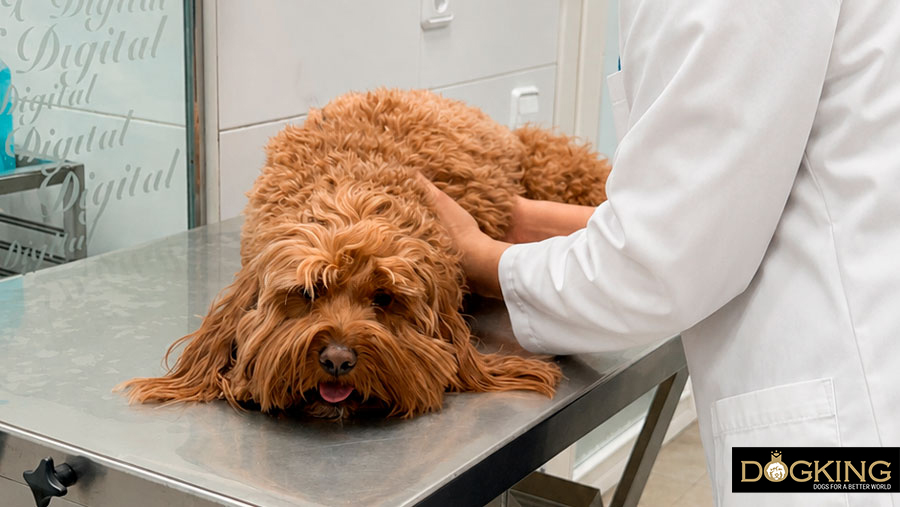
Just as happens to people when we are unwell, if your dog has an injury to their body they may become more listless, irritable or have less appetite. This behaviour is normal, as long as it is not too pronounced, and is part of the natural recovery process, so be patient and give your dog lots of love during these days.
Once the wound is well healed, the healing process — as long as it is a minor injury — should not take more than a few days. You can help your dog with a healing ointment recommended by your vet or even an iced cloth to reduce the swelling. In long-coated dogs, your vet may tell you to lightly trim the surface hair that grows around the wound, so that it stays clear and heals better.
You can suspect that something is wrong if healing is not progressing, the wound looks different or becomes excessively inflamed and, of course, if pus is present. In the case of wounds and injuries, we recommend that you seek immediate veterinary assistance in these cases:
- If there is infection in the wound.
- If the wound has been caused by another dog, as it could have transmitted rabies, and the wound must be thoroughly disinfected to avoid infection from bacteria in the saliva.
- If the wound is large or deep.
- If it is a burn.
- If your dog's condition is deteriorating or they have a fever.