Natural methods to repel insects
Protect your pet from flies, mosquitoes and fleas without using chemicals

HOW TO KEEP INSECTS AWAY FROM YOUR DOG?
Estimated reading time: 7 minutes
Flies, mosquitoes and other common household insects are not only a nuisance for dogs, hanging around and bothering them for hours. These tiny animals can also transmit diseases such as scabies, caused by a type of mite, or the dreaded leishmaniasis, which is spread by the bite of certain mosquitoes called sandflies. Keeping our furry friends away from these insects is synonymous with health, as this way we protect them from possible infections and associated pathologies.

To keep your beloved furry friend safe from all these insects, it is essential to deworm them regularly, either through lotions, collars or other methods, following the vet's instructions. However, there are totally natural ingredients you can use to prevent external parasites, flies and mosquitoes from getting close to your dog. They are simple components that we all tend to have at home, and they are very effective as insect repellents for dogs. You can use them to reinforce protection in specific situations, such as a walk through the forest or a day at the beach. Furthermore, these ingredients are ecological and respectful both of the environment and of your pet, caring for and protecting their skin. Want to know what they are? Let's take a look at some natural methods to protect your best friend from these unwanted little creatures.
Chamomile
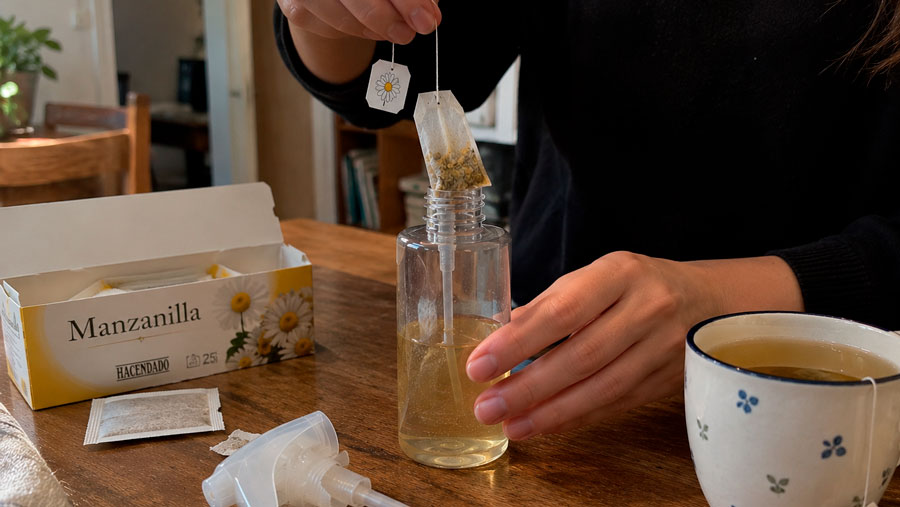
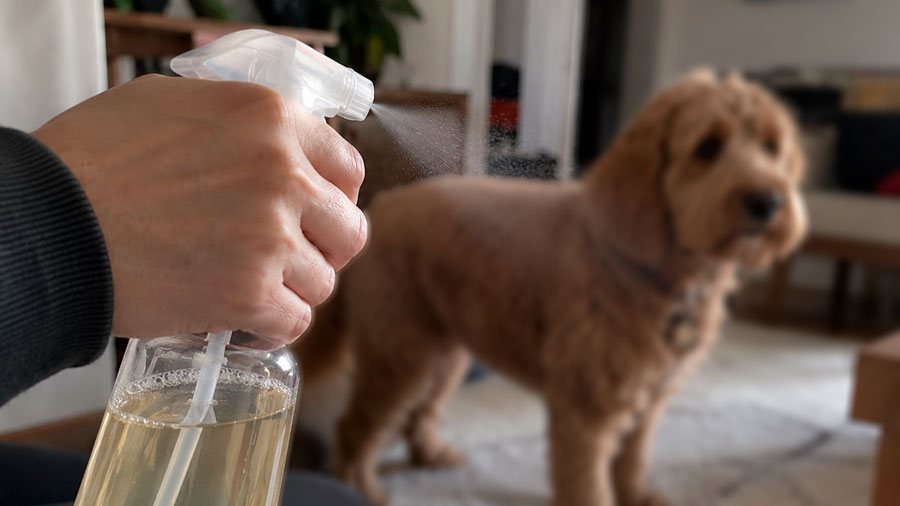
Who doesn't have some camomile in their cupboard to help with heavy digestions? In addition to the properties we all know about, this herb, also known as chamomile, has a strong insect repellent power. It is effective against mosquitoes and ticks, and using it to keep them away from your dog is very simple. You just have to make an infusion, preferably with chamomile herbs (although you can use sachets if that's what you have at home). Leave to cool and transfer to a spray bottle. Then you just have to spray your pet's hair generously. Alternatively, apply the solution by gently rubbing the pet's body with a cloth.
Apple cider vinegar
Vinegar is a common condiment that is almost always present at the table. If you have white or apple cider vinegar at home, you can use it to prepare a natural repellent for flies, mosquitoes, fleas and ticks for your dog. The secret is in the acetic acid it contains, which keeps these insects away from your pet's body. It is true that dogs are not at all fond of the aroma of vinegar. Its intense acidic smell is too powerful for their incredibly sensitive sense of smell. The good news is that it evaporates quickly, so your furry friend will only have to put up with it for a few minutes.
To apply it, we recommend mixing two parts shampoo to one part vinegar. Remember that the best way to care for your dog's skin and coat is to use a neutral, pH-friendly soap made with natural ingredients. Wash your dog with the mixture and leave it on for 10 minutes before rinsing.
Another even easier way to use apple cider vinegar as an active insect repellent is to apply a few drops directly to your dog's hair. You can use a pipette for this. Choose strategic areas, such as behind the ears, on the back or at the base of the tail. Be careful with their eyes, mucous membranes and wounds, as vinegar could be too strong in these areas and cause irritation. By the way! As well as keeping insects at bay, vinegar will make your dog's hair look shinier and stronger than ever. You know: a neat and beautiful coat is synonymous with good dog health!
Mint, basil and eucalyptus
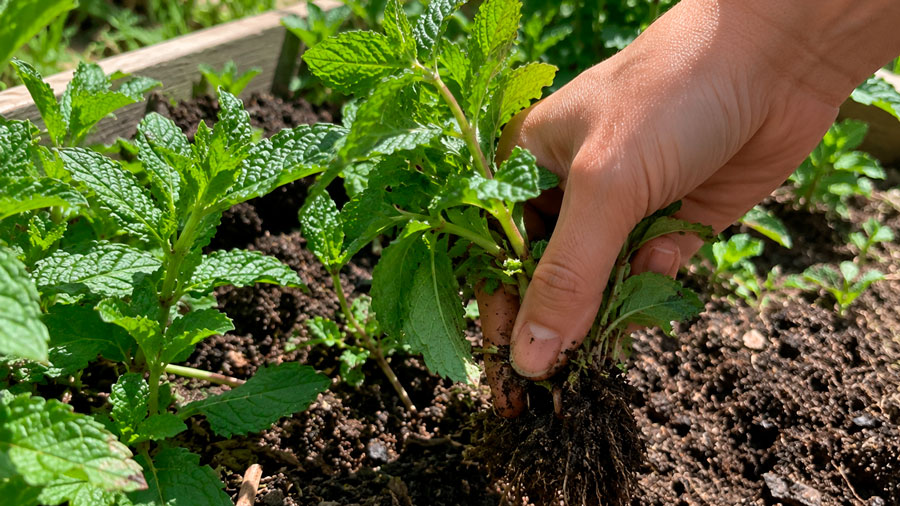
Like camomile, mint, basil and eucalyptus are very useful for keeping insects away from your pet. All you have to do is prepare a concentrated infusion with these herbs (try to use the plants in their natural form, without a sachet), leave it to cool and apply it in the same way as explained above: either with a spray (being careful with eyes and mucous membranes), or with a clean cloth. We also recommend that you get some mint or basil plants to put in your house, as they naturally repel mosquitoes and flies, preventing them from entering through windows and balconies.
Coconut oil
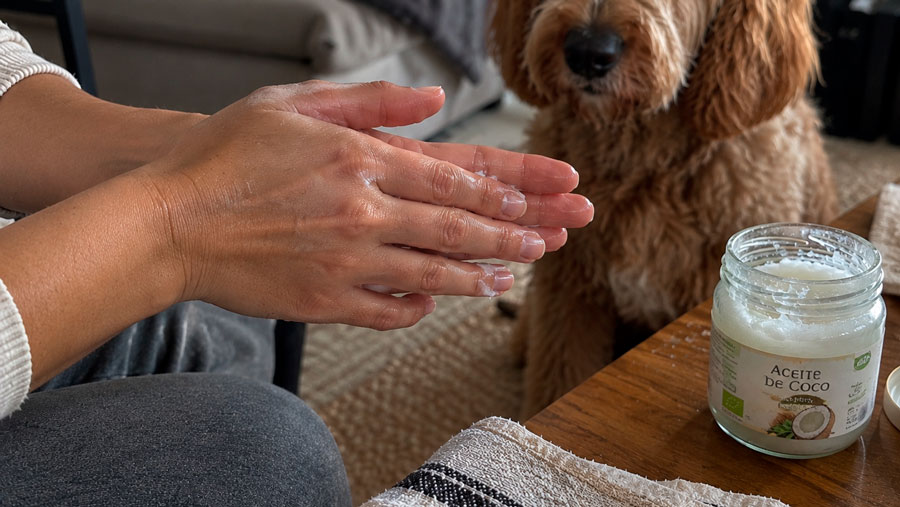
A few years ago, coconut oil was largely unknown, but today, its properties are well known and valued. You probably know that this vegetable oil is very moisturising, but did you know that it successfully repels many types of insects? To use this natural ingredient on your dog, apply it directly to your dog's coat. If you want to add extra protection, add a few drops of rosemary or peppermint oil. It is super effective and 100% respectful of your furry friend's skin and coat.
Citrus fruits

Citrus fruits, such as lemons, oranges, limes or tangerines, have a great repellent effect on mosquitoes, fleas and ticks. To use citrus fruits as an insect repellent for dogs, boil some peel in a litre of water for 45 minutes. Leave to cool, strain and add to a spray bottle. As always, be careful with your pet's eyes and sensitive areas.
Neem oil

Although this ingredient is not very well known, it is a basic ingredient in many commercial natural products used to de-worm dogs. This oriental tree is effective in repelling fleas, ticks, mosquitoes and even mites. Dilute it in water (approximately one part oil to nine parts water) and spray it on your pet.
Other natural oils
As well as infusions, another way to use mosquito-repellent plants for dogs is through their essential oils. To do this, you will need to purchase oils that are water-soluble and suitable for topical application on pets. Add a few drops to water to dilute oils such as eucalyptus, thyme, lavender, rosemary, sandalwood, etc. Then put it in a spray bottle and spray your furry friend with it. Before using any natural ingredient on your dog, consult your vet to find out if it is safe and what the correct dose is.
How to naturally avoid insects and pests at home: keeping your home free of insects is vital for the health of your family, including your beloved dog. Many insect repellent products for the home are very toxic to pets, which is why we suggest natural alternatives: honey trap (mix honey, flour and water near windows) and vinegar trap (vinegar, water, sugar and a few drops of dish soap). If you want to protect your dog, deworm them properly and use natural repellents safely. Make a small skin test first, especially if they have sensitive skin, and consult your veterinarian in case of irritation.