Swimming for dogs: can all dogs swim?
The benefits of this sport and how to get your pet started
IS SWIMMING GOOD FOR DOGS?
Approximate reading time: 8 minutes
If you want to keep your furry friend in perfect physical and mental health, physical exercise should be an essential part of their daily routine. Walking, playing, running and, yes, swimming too. Did you know that swimming is a highly recommended sport for dogs? This activity allows them to exercise their whole body with some advantages over exercising on land, such as less impact on bones and joints and the relaxing properties of water. However, there are many other benefits of swimming that can help your pet feel great on a physical and psychological level. The truth is that, although many furry friends really enjoy this aquatic activity, others find it harder to adapt or even refuse it. Therefore, it is important to gradually accustom them and never force our pet into the water. And now let's look at the benefits of swimming for dogs and when it may be suitable for our pet.
Index of contents
1. Strengthens your dog's muscles
2. Protects their heart and improves the respiratory system
3. Improves bone health and takes care of their joints
4. Can help in rehabilitation processes
5. Mental and behavioural benefits
6. When swimming is not a good idea
7. Tips for your dog to swim safely
Strengthens your dog's muscles

Swimming is an ideal activity for your dog to develop their muscles, gaining strength throughout their body, from their limbs to their torso. Water offers greater resistance than air, so exercising by swimming allows for greater and faster strengthening. Having strong muscles will protect your furry friend from injuries and bone problems. In addition, swimming will help your dog lose fat, combating obesity and related diseases. It’s no coincidence that swimming is a common activity for service or competition dogs that need to be in top shape to perform their duties.
Protects their heart and improves the respiratory system

Recreational swimming—when your dog splashes and swims happily at the beach or in a pool—is an aerobic exercise with moderate intensity and sustained effort. This makes the heart work faster to transport blood and oxygen throughout the body, strengthening the cardiovascular system as a whole. Moreover, swimming increases your dog’s lung capacity and improves their respiratory system, all through a fun and engaging activity that entertains and motivates them. Time to dive in!
Improves bone health and takes care of their joints

Swimming is a low-impact sport. Since it takes place in water, your dog’s pads and joints do not wear out as they would during land-based activity. This is especially beneficial for older dogs with joint issues such as arthritis, but also for dogs prone to injuries. Large breeds susceptible to hip dysplasia—like St. Bernards or German Shepherds—can reduce that risk by strengthening the area through swimming, provided it’s done during puppyhood, when the skeletal structure is still developing. In these cases, swimming should always be guided by a veterinarian and kept light in intensity.
Can help in rehabilitation processes
Hydrotherapy, or rehabilitation through water, is becoming increasingly common in dogs. Using pools or underwater treadmills, different techniques can help rehabilitate dogs with bone or joint problems, fractures, surgeries, or even neurological issues. Hydrotherapy rehabilitation should always be prescribed and supervised by a veterinarian, as there are certain contraindications to consider.
Mental and behavioural benefits

Beyond its physical health benefits, swimming can also help your dog mentally. It builds confidence and security, making it ideal for shy or insecure dogs. For active and nervous pets, swimming helps burn off excess energy, calm anxiety, and reduce stress. Being a new and stimulating experience, it encourages socialisation and learning. You can even practice training tricks during swim time—it’s great for your dog’s balance and overall wellbeing.
When swimming is not a good idea

There’s a false belief that all dogs know how to swim if you just throw them into water. Forcing a dog suddenly into a pool or the sea is cruel and will only frighten them—often for life. While most dogs instinctively paddle to stay afloat, only certain breeds—like retrievers, Newfoundlands, poodles, and water dogs—do so naturally and efficiently. Breeds like pugs, bulldogs, and greyhounds find it harder and should never be forced to swim if they’re uncomfortable.
Tips for your dog to swim safely

As with any activity, safety precautions are essential. Never force your dog into the water. If it’s their first time, make the experience pleasant so future sessions go smoothly. Let them explore the pool, beach, or river freely. Stay calm, play gently with the water yourself, and encourage them using floating toys or treats. Positive reinforcement will help them associate water with fun.
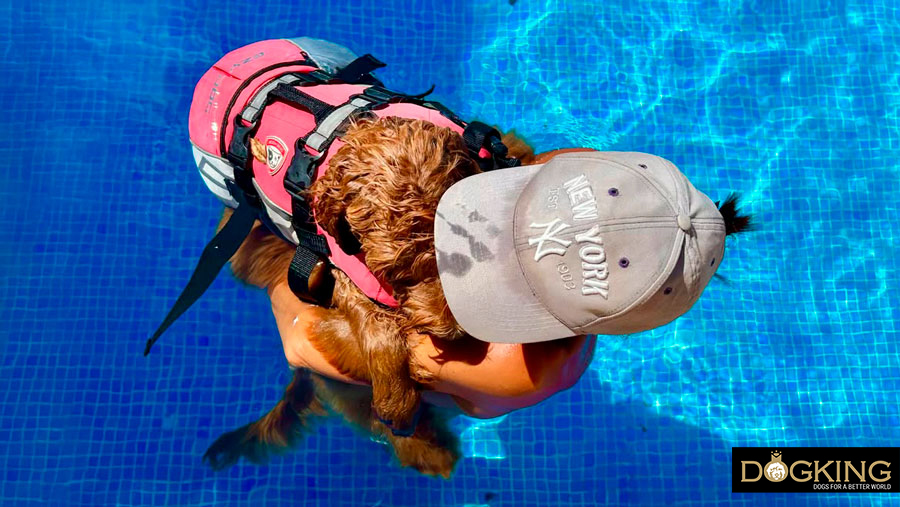
If your dog wants to leave, let them. Forcing them can cause stress or even trauma. For small dogs, a life jacket is a great idea. Watch your dog’s posture—if they’re tense or vertical, gently guide them to relax into a horizontal, paddling motion. Choose calm waters with no rocks to avoid accidents, and always supervise your dog while swimming. Enjoy the refreshing experience together!