Does your dog jump on you?
How to teach your dog not to jump or pounce on you
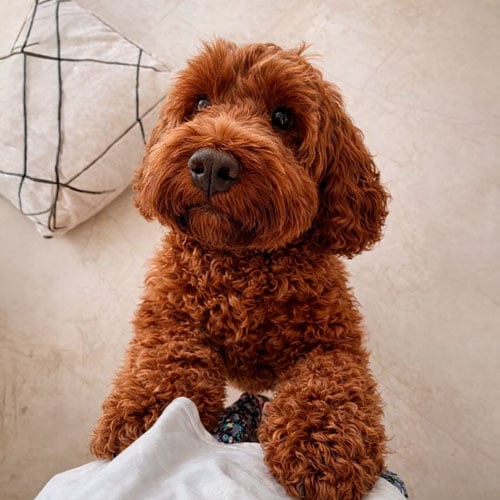
GREETINGS WITHOUT SKIPS
Approximate reading time: 7 minutes
Is your dog used to jumping or pouncing on people as a greeting? This behaviour probably worries you, perhaps because you don't like them doing it to you but, above all, because they can put you in a very awkward situation if they jump on other people. The first thing you should know is that your dog jumping on someone is not a negative behaviour in itself. It is their way of showing affection, demanding attention, and they are probably doing it because they have been involuntarily reinforced. However, we can work to modify this attitude so that our furry friend understands that we prefer other types of greetings.
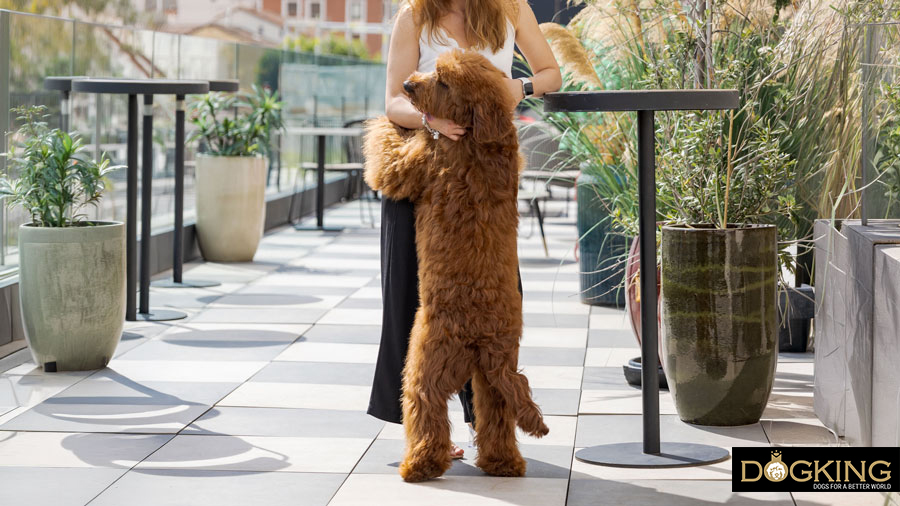
Table of contents
1. Why does my dog jump on me?
2. Tips to stop your dog from jumping on people
3. When your dog jumps on other people
4. Teach your dog not to jump on you as a puppy
Why does my dog jump on me?
If your dog jumps on you or someone else, we could say that they are giving you a hug in their own way. Normally, this is an affiliative signal that the dog gives us to show their love and trust. But this harmless behaviour can be a problem, because if your dog jumps on someone, they could stain them, scare them, or even throw them or hurt them unintentionally. It may even be a behaviour that even you, who love and trust your dog, don't like very much. So how can we prevent a dog from jumping on a person?
The first thing is to identify the causes behind the behaviour. Most likely, as we said, it is an affectionate form of greeting, but it could also be an excess of energy or anxiety, which we should solve by exercising our dog sufficiently with walks and games.
Adult dogs need at least three walks a day, one of them at liberty or on a long leash (10–15–20 metres) which allows them to exercise physically, but also to interact socially with other dogs and people. In addition, it is essential for them to be tired and stimulated: they should be able to use their sense of smell and follow tracks.
If these walks are not offered, the dog accumulates energy, a need for social interaction and mental stimulation, which predisposes the dog to anxiety and impulsivity.
Tips to prevent your dog from jumping on people
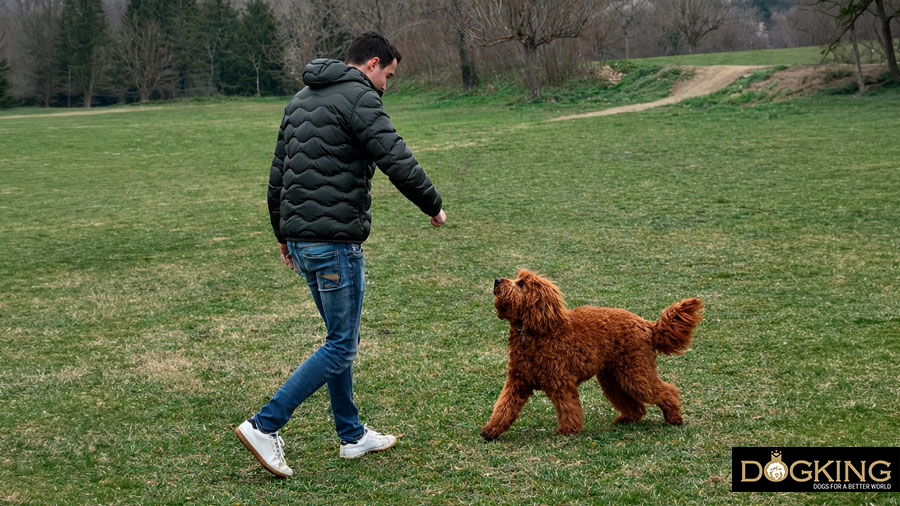
First of all, we would like to emphasise that this attitude on the part of your dog is entirely well-intentioned. Normally, we are the ones who have unconsciously taught or reinforced it. Typically, in puppyhood, every time the puppy comes up to us and climbs on our legs, we pet them, pay attention to them, etc. The same happens when, in the street, we allow them to climb on top of people when greeting them. These attitudes are, little by little, engraved in the dog, and when they reproduce them as they grow up, that is when we start to dislike them.
If you want to change this habit, the aim is to make them understand that you don't like the way they greet you. It is not a good idea to scold or punish them, as the only thing that works in a dog's learning process is positive reinforcement. Take note of these guidelines to get your pet to stop jumping on you.
- 1. Reinforce good behaviour. When your dog approaches without jumping up, reward them with petting or a treat. Be sure to greet them very nicely in a calm manner, instructing them on how you want your encounters to be from now on. This step is essential to establish the new behaviour, but also to prevent the dog from feeling displaced and rejected. It is not a matter of them not greeting you, but of implementing a new, calmer way of greeting you.
- 2. Set boundaries. When your dog lunges at you, say “DOWN” in a firm but calm voice. It's about your dog receiving the command from a calm attitude on your part, as any raising of your voice or tension in tone will only excite them more.
- 3. Change the position. After communicating to your dog that you don't like them jumping on you, you can try gently pushing them away and turning around, with your back to them, to reinforce your message through your body language.
- 4. Ignore them. At this point you may think you're doing it all wrong because your dog keeps jumping up and trying to get on you. It's normal, the first few times they won't understand what's going on and why this attitude, which until now you have allowed, is no longer appropriate for you. But no matter how hard your dog tries to get your attention, stand firm and ignore them until they stop trying to get on you. Do not reinforce this behaviour in any way, either positively or negatively.
When your dog jumps on other people
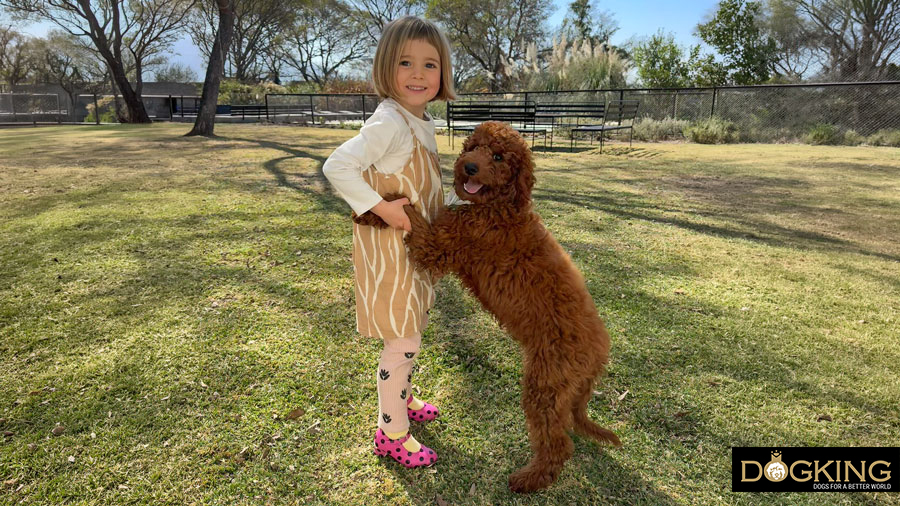
If your dog jumps on strangers in the street, be firm with the ‘no’ command you have learned at home. We recommend that you practise a lot at home and during the first few days, on walks, control your dog so that they do not get too close to other people, thus preventing them from jumping on them while they are learning.
If you are dealing with family or friends who do not like your dog getting on them, you can instruct them ‘no’ and explain how they should turn around to stop this behaviour.
It is important that, during this learning process, everyone you know that your dog interacts with, especially all members of the household, act in the same way. If we say ‘no’ but someone else in the household rewards them with laughter or petting when they jump on you, our efforts will be worthless.
Teach your dog not to jump on you as a puppy
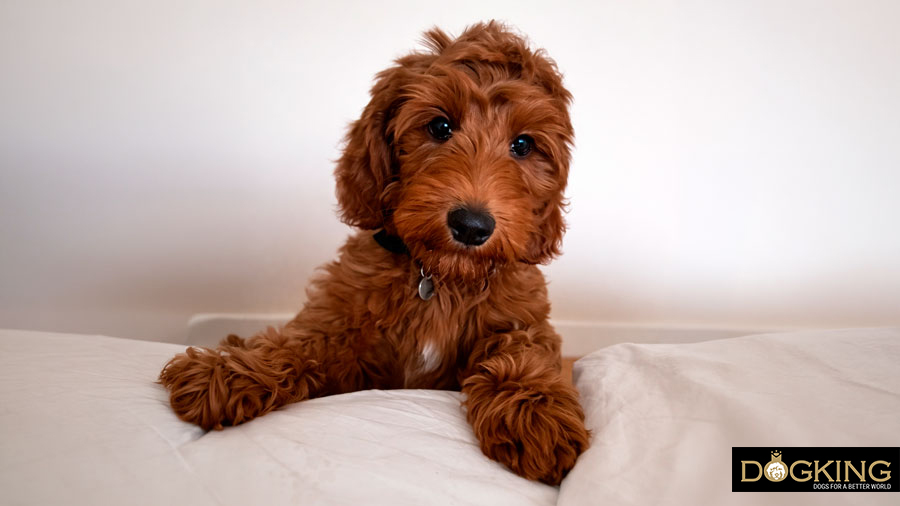
If you have a puppy, they probably also jump on you to greet you or when you play. However, due to their small size, you may not have noticed this behaviour or it may not even bother you. What's more, you probably reinforce it without realising, with petting and affectionate words, and this is often the main cause of the problem we are talking about.
This is a mistake that we can pay dearly for, as when the dog gets older and bigger, they will continue to jump on us. Moreover, if we want to correct them, they will always take longer than if we had taught them well from a young age.
Remember, if your dog jumps on you or other people as a greeting, you can change this behaviour by following the steps we have explained. Be patient, though: correcting or redirecting a behaviour that has become an ingrained habit can be costly and, at first, your dog will be disoriented when you ignore them and may even be more insistent than before. Don't be angry with your pet, they are just trying to show their affection. It is your responsibility to lovingly teach them how you want them to greet you from now on. In this way, they will channel all the emotion they feel when they see you in a way that is more pleasant for you and yours.