How do I stop my dog from eating too fast?
5 tricks to protect your pet from the risks of voracious eating.
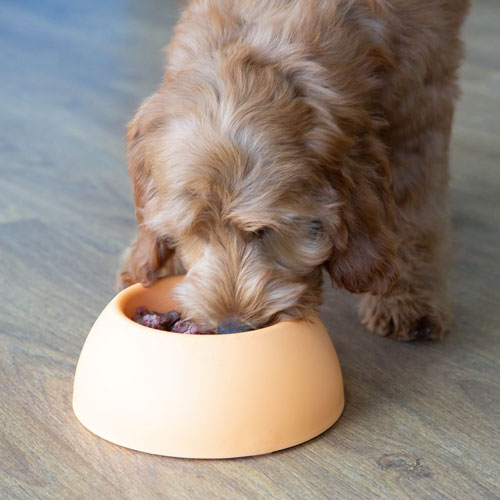
WHY DOES MY DOG EAT SO GREEDILY?
Approximate reading time: 8 minutes
As we always say at Dogking, every dog is different. While some like to eat slowly, savouring each mouthful, others can't control their appetite and have a habit of gobbling down their food, leaving the bowl empty in seconds. If your furry best friend is a fast eater, it may simply be instinct or just the way they are. In the wild, dogs and their ancestors, wolves, have to feed quickly to avoid being eaten by other competitors. However, this naturally occurring behaviour is not only unnecessary in your dog's domestic life, it can be dangerous. Also, keep in mind that if your pet is bingeing on food, there may be an underlying anxiety problem.
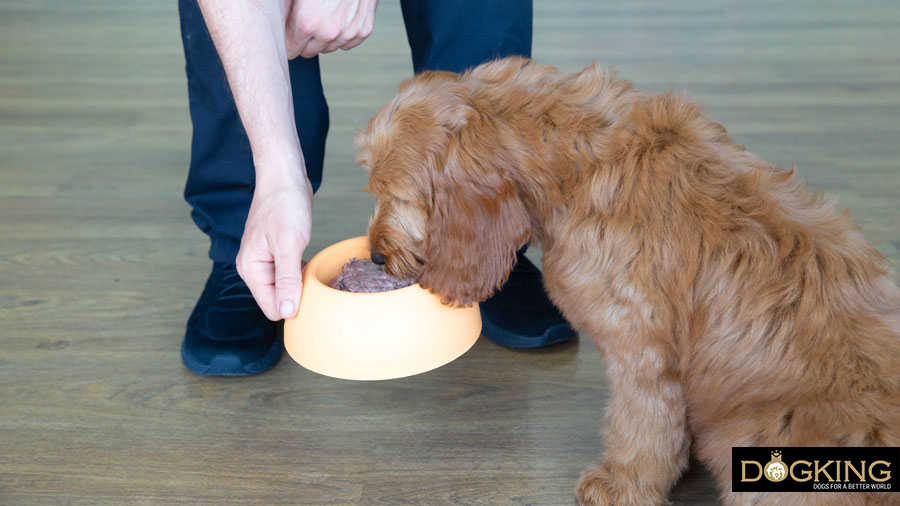
Table of contents
1. Dangers of your dog eating too fast
2. Tips to help your dog eat more slowly
• Let them eat alone and calmly
• Incorporate food-dispensing toys
3. When should I worry if my dog eats too fast?
Dangers of your dog eating too quickly
You may find it cute to watch your dog eat voraciously when you serve them their food. You probably think that they love the food or that they were very hungry. That may be true, but in any case, you should avoid letting your furry friend eat too fast, as they could experience a variety of problems, some of them serious. Here are some of the consequences your dog can suffer from overeating.
- Digestion problems: by eating quickly, your dog will ingest more gas, and may suffer heavy digestion, gas and even colic.
- Diarrhoea and vomiting: these binges can upset your dog's stomach, irritating the entire digestive system and causing these unpleasant symptoms.
- Choking: if your dog gulps their food, it is easier for them to choke.
- Stomach torsion: this is a very serious acute condition in which the animal's stomach ruptures, causing great pain and an emergency situation that requires immediate veterinary assistance.
- Aspiration pneumonia: caused when a piece of food goes down the airway instead of down the throat into the oesophagus. More common in dogs that eat very quickly.
- Disturbed satiety: eating so quickly prevents the satiety signal from arriving in time, leading them to eat more but still feel hungry. This can cause anxiety or contribute to obesity.
Tips for slowing down your dog's food intake
The best way to protect your dog's health is to get them to eat more slowly. The first thing to do is to find out the cause of the problem. To do this, we recommend a visit to the vet for a check-up to ensure that there are no serious physical causes or behavioural disorders. Some dog breeds are more prone to this voracious eating habit, such as Labradors and golden retrievers. If it's simply a bad habit, you can tackle it at home by following these tips to stop your dog from eating so quickly.
• Eat alone and calmly
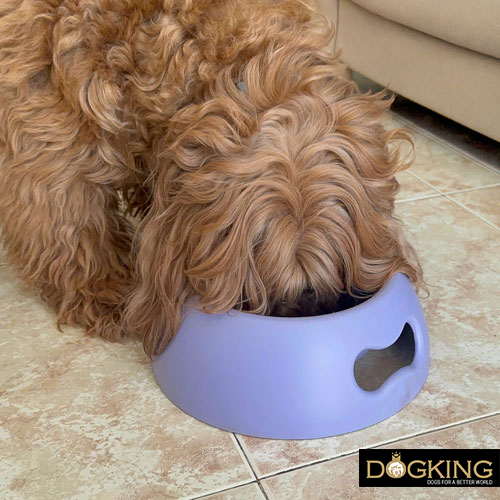
To help your furry friend approach their food bowl in a relaxed frame of mind, it's important that the space where they will be fed is calm and quiet. For example, if you serve them their bowl of food in the middle of the living room, in the middle of a family meal with the kids making noise, the plates clattering and the TV blaring, you can be sure that your dog will attack their food with anxiety, making it much more likely that they will gobble it up.
In fact, we recommend that your dog always eats alone, without other people or dogs around. If you share your life with other furry friends, make sure they eat separately and don't tease each other while feeding. If dogs see their food endangered by the presence of other companions or people, they may act out of resource protection and eat greedily to secure their food.
• Use special feeders
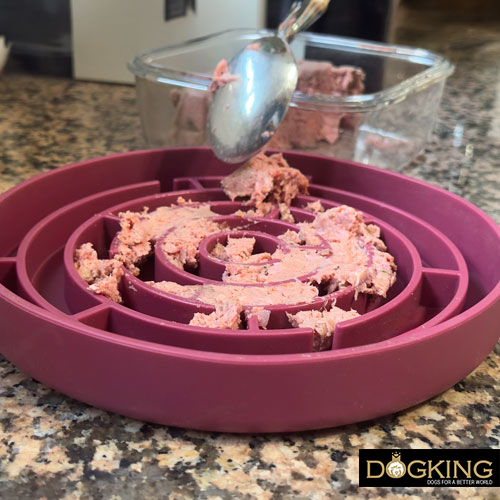
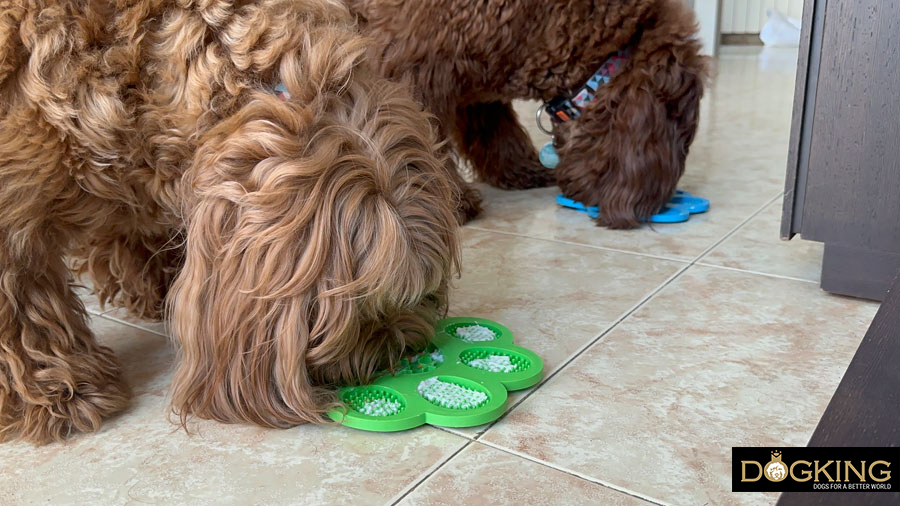
Nowadays there are many gadgets that make it much easier for us to look after our furry friends. This is the case with anti-voracity feeders. These are special dishes with reliefs and nooks and crannies that your dog will have to work much harder to get the food out. In addition, they are non-slip, so they do not “slip” when your dog is eating, something that can cause them a lot of stress. The more your dog entertains himself by getting the food, the slower they will eat it.
• Incorporate food-dispensing toys
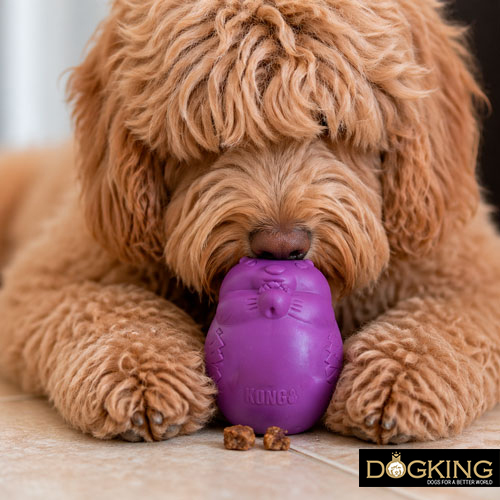
Another excellent alternative to prevent your dog from gobbling their food is to place part of their food in a food dispenser toy. The most famous are called “kongs”, and consist of silicone accessories with small openings in which the food is hidden. This way, your furry friend will have to use all their ingenuity and concentration to get the food out, and will therefore feed much more slowly, avoiding binge eating. Playing with kongs also mentally stimulates and relaxes dogs — try it!
• Smaller portions
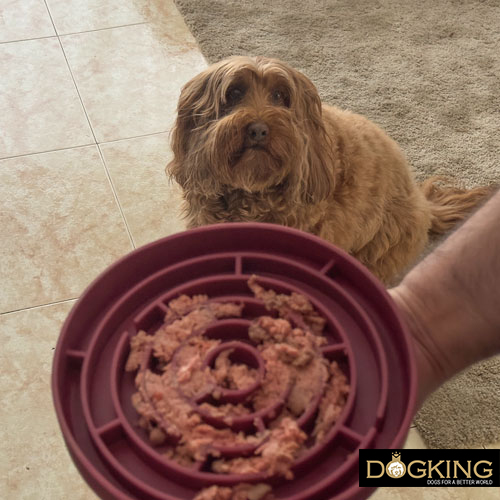
Serving your dog food in smaller portions won't stop them from eating fast, but it will stop them from eating a large amount of food in a short time, which is actually what can be dangerous. It’s better to feed your pet 3–4 times a day with smaller meals rather than one or two large ones. Once they get used to the routine, they’ll eat more calmly and with less anxiety.
• Review their diet
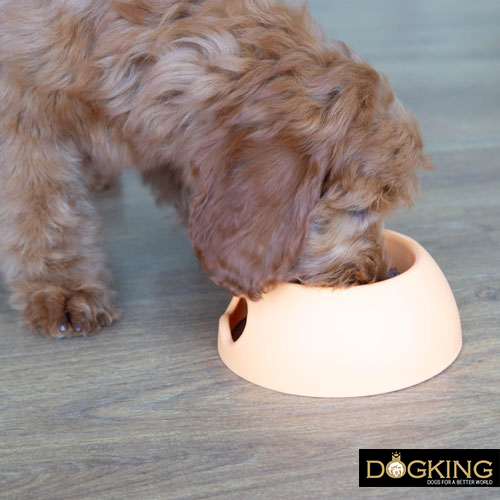
If your dog does not have an adequate diet adapted to their energy needs, it is very likely that they feel a strong hunger and attack their bowl at every meal. We recommend reviewing your dog's diet with your vet to make sure it provides all the nutrients required for their age and lifestyle.
When should I worry if my dog eats too quickly?
As with any change in your dog's routine, try to implement these tips gradually to help them adapt. Dogs are creatures of habit and an abrupt change could upset your pet and affect their appetite. In addition, you will need to be very persistent, especially if your dog is an adult (puppies take less time to get used to it), as it is your patience that will make these tricks work.
As for the dangers of your dog eating too quickly, whenever you notice signs of poor digestion you should consult your vet, but if you see your dog with abdominal swelling, trying to vomit unsuccessfully and seeming listless, rush to the emergency room, because if it is a stomach torsion, it is essential that they receive treatment as soon as possible.