Dogs and anal glands
Why you should worry about them
PREVENTION AND CANINE ANAL HEALTH
Approximate reading time: 8 minutes
Is your dog dragging his bottom on the floor, licking the area under his tail, and they are sluggish? Beware, they could be suffering from a blocked and/or infected anal gland. This pathology, which is quite common in dogs, can get worse if not treated quickly, causing, in the worst cases, fistulas, cysts and a lot of pain for your pet. It is therefore very important that you know the symptoms of anal saculitis and how to prevent it by taking care of this area of your dog's body.
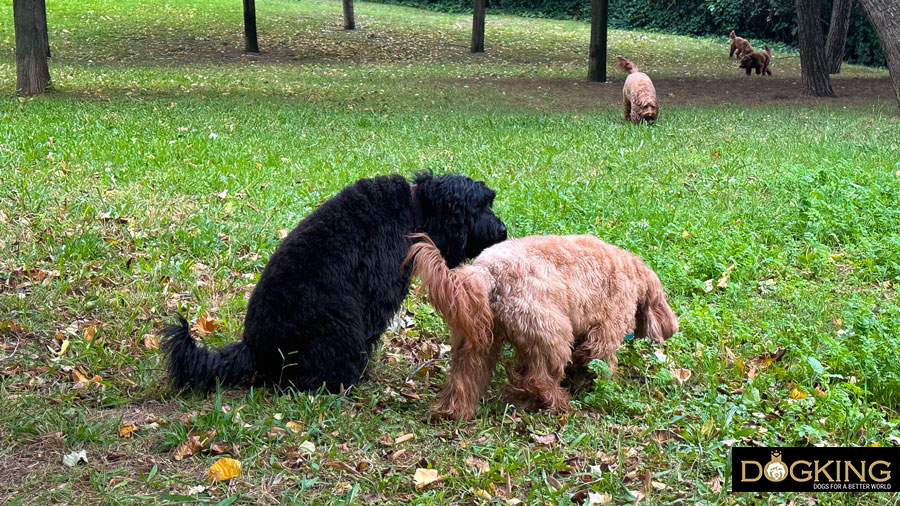
Table of contents
2. Symptoms of anal sacculitis in dogs
3. How do I care for my dog to avoid infection of his anal glands?
4. Is anal sacculitis in dogs serious?
What is anal sacculitis?
You may not have known it, but there's a reason why dogs sniff their bottoms to greet each other. The key lies in their anal glands, two small sacs on either side of the anus that release a strong-smelling fluid. But what is the purpose of this fluid that both dogs and cats produce in their anal glands?
To mark their territory. As territorial animals, dogs expel this fluid when they defecate as a way of marking that area with their scent and claiming it as their own. It is an ancestral mechanism that, in nature, was used to scare off predators.
Facilitating the expulsion of faeces. This yellowish-brown liquid with a fluid texture allows your dog's faeces to slide out more easily.
Communicate with other animals. Incredible as it may seem, this fluid has a different smell in each dog and, with it, these animals communicate all kinds of information about their behaviour, their condition, their age... When your dog sniffs under another dog's tail, all they are doing is gathering information about them.
Under normal circumstances, your dog's anal glands empty spontaneously during defecation. Occasionally, however, these sacs become inflamed and their contents become dry and hard, clogging the glands and making emptying difficult. If this situation persists for many days, without the fluid being expelled, an infection may develop, leading to what is known as anal sacculitis.
Symptoms of anal sacculitis in dogs
If your dog suffers from a blockage in one or two of their anal glands, they will be very uncomfortable, with itching, burning and irritation all over the area. We recommend that you pay close attention to these symptoms, which could be due to anal obstruction or anal sacculitis. In addition, a fistula could develop and bleeding could occur.
- Dragging the bottom on the floor.
- Frequent and desperate licking of the anal area.
- Very strong odour in the area.
- Chasing their tail relentlessly (this attitude can also be behavioural, so if it is not accompanied by other symptoms, we should not be alarmed).
- Swelling and redness in the anus.
Although these are the first manifestations of an anal sac obstruction problem, in more advanced stages where infection has already occurred, your dog may have a fever, be listless and even eat less.
Ultimately, anal sacculitis can lead to a fistula, a small opening in the skin near the anus that your dog's body will create to relieve pressure from the accumulated contents. It goes without saying how painful this situation is for the animal.
How do I care for my dog to avoid infection of his anal glands?
Some dogs may have no problems with their anal glands in their lifetime, while others may experience inflammation and infection several times. Some dog breeds, particularly smaller breeds, seem to be more predisposed to this condition. Research suggests that poor stool quality may be behind the development of anal sacculitis. When faeces are too soft or too small, there is insufficient pressure on the glands and they do not empty properly, leading to infection. In addition, older dogs may have problems emptying their glands naturally. But what can we do to prevent our dog from having problems with their anal glands?
1. Proper diet
Digestive disorders are also one of the causes of anal gland obstruction in dogs. Give your furry friend a good diet with an adequate amount of fibre and, if you have any doubts, consult a veterinary nutritionist.
2. Active living
Obesity and lack of muscle tone are risk factors for this problem. Make sure your pet gets enough exercise on a daily basis.
3. Hygiene of the area
Whether your dog has a tendency to suffer from this problem or not, it is always important to maintain good hygiene in the anal area. Wipe it with a flannel after they have had a bowel movement.
4. Emptying glands
Only when prescribed by the vet should the gland be emptied, as there is a risk of atrophy of the gland.
5. Do not empty their glands without supervision
Watching a YouTube video or hearing about it from a friend is not enough. Emptying the glands should be supervised by a veterinarian, who will give you detailed instructions on how to proceed only if necessary. Excessive emptying can be counterproductive for your dog.
Is anal sacculitis in dogs serious?
Inflammation and infection of the anal glands in dogs is an acute condition that requires veterinary attention. If you detect any symptoms in your pet, seek professional attention. The veterinarian will examine the anal area and perform the necessary tests to determine obstruction or sacculitis. If necessary, he or she will drain the area and prescribe antibiotics and anti-inflammatories for your pet. Although the prognosis for anal sacculitis in dogs is quite favourable, in some more severe cases it may cause a fistula requiring surgery or even cysts in the area. In extreme situations, especially in elderly dogs or dogs with a tendency to suffer from this problem over and over again, the veterinarian may consider removing the anal glands.
If you notice your dog dragging their bottom on the floor or any of the symptoms described above, don't hesitate - a check-up at the vet's will be enough to determine the cause of their discomfort. And, as you know, to ensure that your pet does not suffer from this type of problem, take care of their diet and habits. A healthy dog is a happy dog.