Is artificial grass recommended for dogs?
Discover the advantages and precautions of this alternative to natural grass
IS ARTIFICIAL GRASS SUITABLE FOR DOGS?
Approximate reading time: 6 minutes
More and more people decide to replace the natural grass on their terrace or garden with artificial grass, since this option is much more practical as it does not require maintenance. In fact, many families even consider it the first option when decorating their new home, since with artificial grass it is possible to enjoy a natural and fresh touch on the terrace without having to suffer the discomfort that natural grass brings. Dirt, insects, mud... With the synthetic version of grass, you can save yourself from these inconveniences. But what about our dear furry friends? Is artificial grass safe for dogs? Is this type of floor decoration compatible with pets?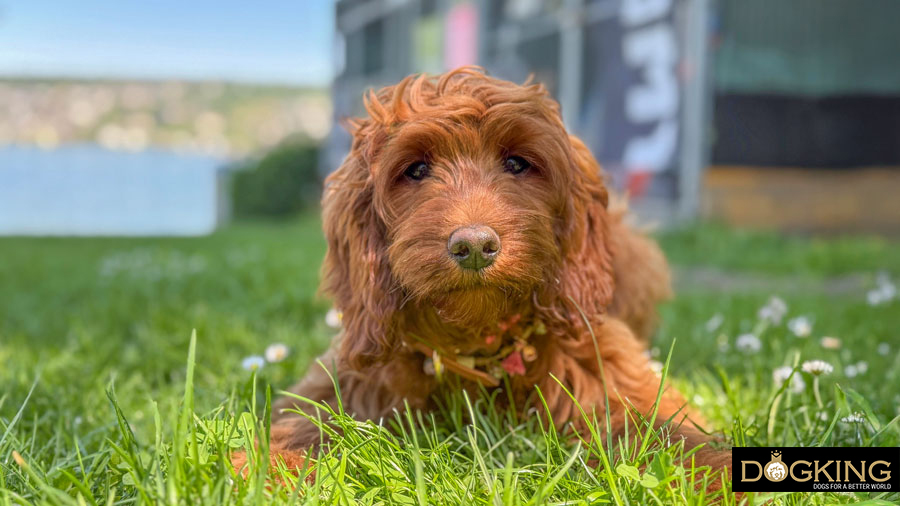
The truth is that whenever we opt for a specific artificial grass for pets we can be sure that it is totally safe and even recommended for our dogs. In fact, artificial grass for dogs has many benefits that natural grass lacks.
Table of contents
- Advantages of artificial grass for dogs
1. Easy to clean: What if my dog pees on the grass?
2. Durable: bite and scratch proof
3. It is hypoallergenic: goodbye to pollen!
4. Safer: no parasites or bacteria
- Precautions for artificial grass for dogs
Advantages of artificial grass for dogs
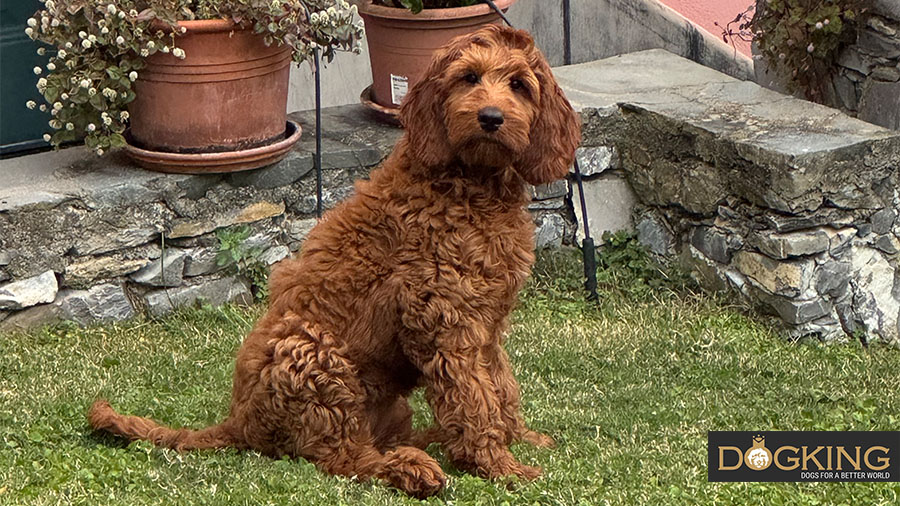
If you want to renew the look of your terrace or garden and you are wondering if synthetic grass is a safe, resistant and suitable option for your furry friend, pay attention to this list of advantages. Natural grass, as well as being more difficult to maintain and using more water, can be dangerous for your dog if he ingests a large amount. This plant can irritate your pet's stomach, causing a lot of discomfort. In addition, its high fibre content could cause intestinal problems.
On the other hand, other plants can grow on natural grass that are directly toxic to your dog if ingested or simply by contact. And let's not forget that grass can attract numerous insects, including mosquitoes and parasites, which are important carriers of canine diseases.
So how can artificial turf help us avoid these problems? Here are the main advantages of synthetic grass for dogs.
1. Easy to clean: what happens if my dog pees on the grass?
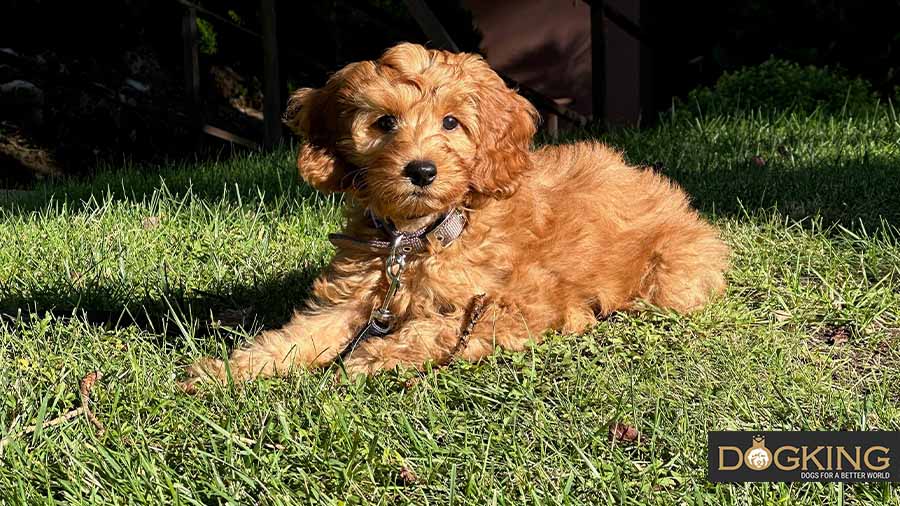
One of the most common doubts of people considering installing artificial grass on their terrace is what happens if the dog urinates or poops on it. The truth is that if your dog is used to doing their business outside, they will usually not choose the new grass. In any case, synthetic grass designed specifically for pets comes with a drainage system that absorbs urine. Cleaning the remains from the surface is also very easy: a little water or a hose will do the job. With poop, the best option is to wait until it dries and then remove it with a bag, just like on the street.
Most dog lawns have an antibacterial treatment, but to ensure the area is disinfected, especially if children share the space, you can spray a little vinegar or lemon. These are completely safe natural disinfectants for pets, and although dogs usually dislike the smell, it evaporates quickly without leaving a trace.
For general cleaning of artificial grass, simply rinse it with a hose to remove mud, dust or any dirt your furry friend may bring on their paws. For tougher stains, a mild specific product or neutral soap can be used. Do not use aggressive cleaners as they may damage the synthetic turf and harm your dog.
2. Resistant: bite and scratch proof
If you choose artificial grass for your garden, we recommend investing in a quality product. There are models on the market specifically designed for dogs that are truly resistant to teeth and claws. This means that even if your dog chews on the grass, they won’t be able to tear or swallow the fibres.
There are different resistance levels. If your dog is calm and doesn’t chew often, you don’t need the toughest version. However, if your dog is big, strong, and has the habit of biting or digging, we recommend opting for maximum resistance.
3. It is hypoallergenic: goodbye to pollen!
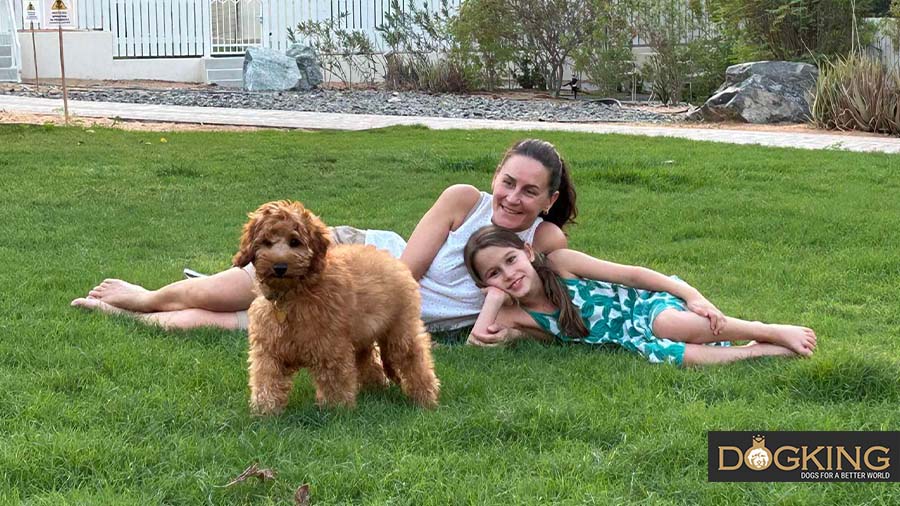
Some models of artificial grass for dogs are hypoallergenic, meaning they are made with materials that do not irritate the skin. This is a great option if your dog is prone to skin problems. In any case, all artificial grass is pollen-free, so if your furry friend is allergic, it’s an excellent alternative for them to play without suffering allergy symptoms.
4. Safer: no parasites or bacteria
One of the main problems with natural grass is that it can attract insects, including ticks, worms and parasites that are very harmful to dogs. Stagnant water can also lead to bacteria proliferation.
Artificial grass for pets is safer because it usually has antibacterial treatment. It also won’t attract bugs, so your dog can enjoy this soft and comfy surface without risks.
5. No maintenance needed
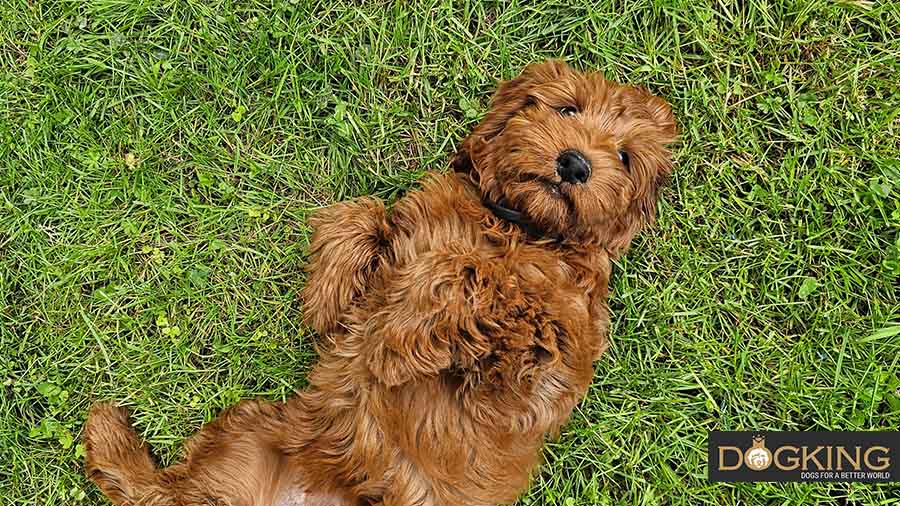
Finding your dog digging a hole in the lawn after you’ve spent hours gardening can be frustrating. Maintaining natural grass requires time, effort and lots of water.
Artificial grass doesn’t require special care. It will always look nice, fresh and green as if just cut. Your dog won’t damage it by digging, saving you lots of trouble.
Additionally, rain, wind and sun won’t affect the look or quality of artificial grass, since most models have drainage and UV protection to prevent overheating or fading.
Precautions for artificial grass for dogs
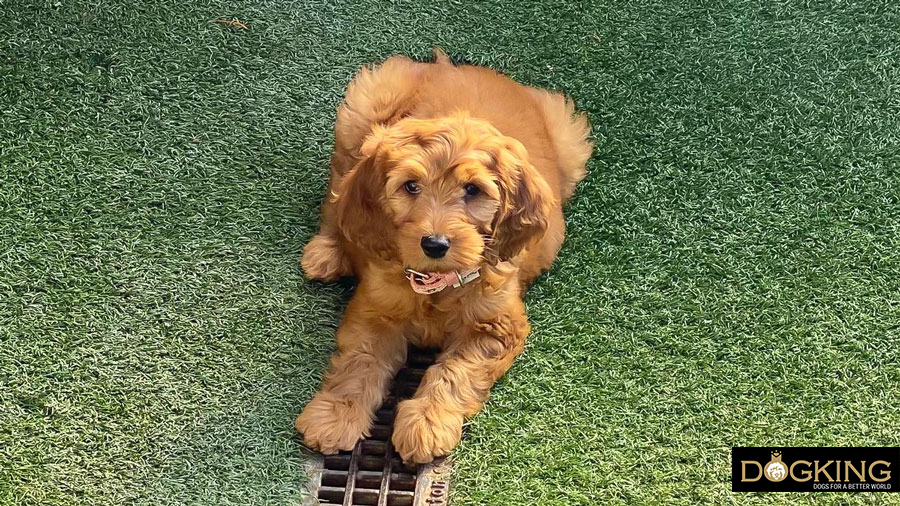
Although artificial grass designed for pets is completely safe, there are some considerations to keep in mind.
- Temperature control: if your synthetic grass is not heat-resistant, in summer check that it is not overheating by touching the surface with the back of your hand. If it is too hot, cool it down with the hose.
- Make sure the grass has a drainage system to prevent waterlogging, which can cause bacterial growth and attract insects.
- Always choose a dog grass model that matches your pet’s strength and habits to prevent them from tearing and swallowing synthetic strands.
- Clean the surface when necessary with a neutral product safe for pets.
- Prioritise artificial grass for dogs that is chemical-free, robust, antibacterial and soft. Your dog will love it!
In short, artificial grass for dogs is a decorative solution for gardens and terraces that is fully compatible, and even advisable, if you have a furry companion at home. Don’t skimp on quality and supervise your dog to make sure they are comfortable and safe in this renewed space.