Can dogs drink milk?
Many pets have problems digesting lactose.
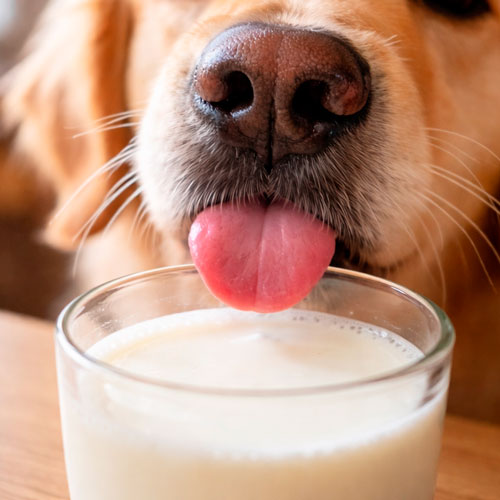
IS MILK GOOD FOR DOGS?
Estimated reading time: 7 minutes
As mammals, all dogs are born on their mothers' milk, which is their only source of “food” for the first few weeks of their lives. But what about the milk of other animals? Cow's milk is one of the most widely consumed by people around the world, which may lead us to believe that it is a healthy food for our pets. In fact, cow's milk has traditionally been fed to dogs and cats. However, although there is still some controversy about this, the truth is that many dogs have difficulty digesting cow's milk, which causes them a great deal of digestive discomfort. This intolerance is due to a sugar present in this liquid that I'm sure you are familiar with: lactose. The ability to process this component is what causes many dogs not to tolerate milk well, while some dogs are able to digest it without problems. So, is it good for dogs to drink milk?

Table of contents
2. Why can some dogs drink cow's milk?
4. What milk can I give my dog?
5. What if my dog is allergic to lactose?
6. Can dogs drink dairy products?
Why does milk make dogs sick?
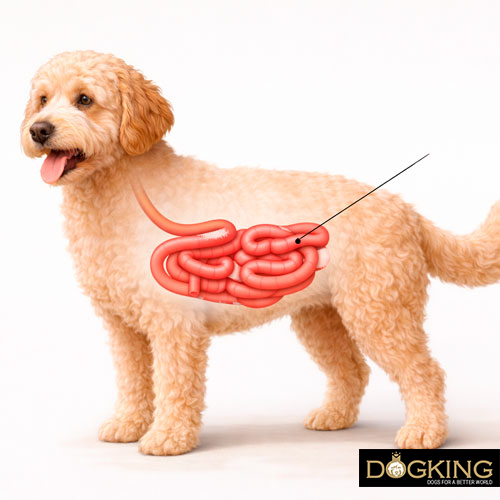
When puppies are born, their bodies naturally produce an enzyme called lactase. This enzyme breaks lactose, the sugar in milk, into its two components – glucose and galactose – so that they can be absorbed in the gut and the nutrients can pass into the blood. However, as dogs get older, they begin to generate much less lactase, and some even stop producing it altogether. This causes lactose to pass into the intestine without being broken down, making it unable to digest properly. As a result, the usual symptoms are diarrhoea, vomiting, abdominal pain or gas.
Why can some dogs drink cow's milk?
Lactose intolerance in dogs is quite common for the reasons explained above. However, due to certain genetic mutations, some dogs do not stop producing lactase throughout their lives, so they can continue to digest milk without problems even as adults. The easiest way to find out if your dog is lactose tolerant is to give them small amounts of milk and observe their reaction. However, although cow's milk contains many nutrients, there is no need to feed it to a dog, as there is always some risk involved and these benefits can be obtained from other sources.
Can I feed milk to my puppy?

If puppies generate enough lactase at birth, then can they tolerate cow's milk? The answer is no, and in this case, we do not recommend giving this food to your dog under any circumstances. Puppies' bodies are prepared to digest milk, but only their mother's milk. Each mammal produces milk with a completely different composition in terms of water, proteins, fats, lactose, etc., which is perfect and healthy for the offspring of that species. Cow's milk, for example, contains much more lactose than dog's milk, so giving this drink to your puppy could cause many digestive problems. At no age is it desirable to cause discomfort to our furry friend, but in their first months of life, dogs are very vulnerable, so even a simple case of diarrhoea could cause severe dehydration and even threaten their life. On the other hand, dog's milk has many more nutrients than cow's milk, so the puppy would never get enough and would suffer from serious nutritional deficiencies.
What milk can I give my dog?
If, for whatever reason, you want to give your dog milk, it is best to opt for lactose-free cow's milk, which is treated with lactase to make it easier to digest. This milk is readily available in any supermarket these days, as people have the same problem with lactase depletion in adulthood as dogs. Lactose-free milk is easier for your dog's body to process, but give it in small amounts and keep an eye out for symptoms, as it still contains a small amount of lactose. On the other hand, avoid giving raw milk to your dog altogether. As for the fat content, it makes little difference whether you give whole, semi-skimmed or skimmed milk, although whole milk has more nutrients.
If you have a puppy, do not give them any cow's milk, even lactose-free. It is best to buy puppy milk from a specialised shop and give it to your puppy through a bottle in the natural position they would take to suckle from their mother. Avoid using syringes as they can cause aspiration pneumonia if not used properly.
What if my dog is allergic to lactose?

At this point it is important to differentiate between lactose intolerance and lactose allergy. The first causes digestive disorders whose symptoms may persist even after milk has been removed from the dog's diet, while with lactose allergy, the body reacts to lactose as if it were a threat. If your dog has a milk allergy, you may notice excessive scratching, skin redness, and breathing difficulties. Although lactose intolerance is more common than allergy, it should not be overlooked that lactose is a recurring allergen in dogs. Symptoms of lactose allergy in dogs usually disappear when they stop drinking milk.
Can dogs eat dairy products?

Dogs tend to tolerate fermented dairy products, such as natural yoghurts or aged cheese, much better. Cottage cheese, for example, is a very mild cheese with a low lactose content, making it a good option. Moreover, special yoghurts for dogs are available in specialised pet shops and online stores, which are completely safe for your pet as long as there is no allergy. In this way, your furry friend can benefit from the nutrients in milk (including high-quality proteins, vitamins A, D, E, B and C, potassium, calcium, and other minerals), ensuring good digestion.
In short, to the question of whether dogs can drink milk, the answer is “it depends”. Many dogs are lactose intolerant to varying degrees and therefore cannot drink cow's milk, as it causes intestinal discomfort. Others still produce lactase naturally, so they can drink milk without problems. Cow's milk is not a necessary or recommended food in a canine diet, as its nutrients can be obtained from other sources without risk or with good-quality feed.
If you want to give your pet milk, do so in small amounts, watch for symptoms, and remove it from their diet if it causes any problems. Remember that milk should never be a regular food or the basis of your dog's diet. And don’t forget to provide your furry companion with high-quality food that meets all their energy and nutritional needs to maintain their health.