Tips to tone down your dog's rough play
Managing your pet's playfulness is vital for their balance and your bond.
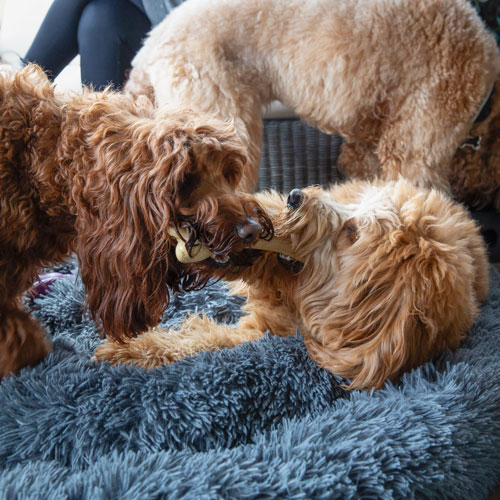
PLAY IN DOGS
Approximate reading time: 6 minutes
Play is more than just entertainment or fun for dogs. In addition to the playful part, which is also very important, through play they develop strong bonds with their owners, they feel stimulated and challenged, which improves their mental health, they learn about their environment and a long list of benefits that bring them great wellbeing.
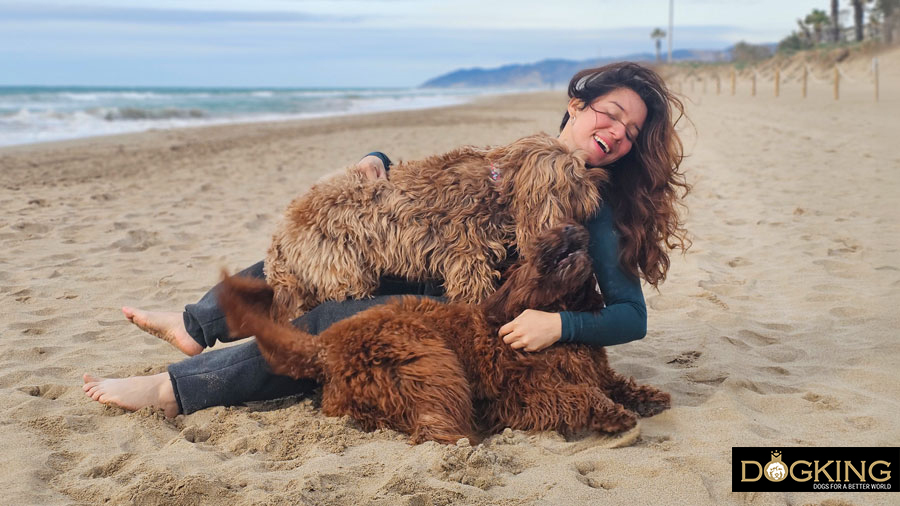
However, for various reasons, some dogs can develop a way of playing that is too rough, which turns this moment into an unpleasant experience for the animal, for the other dogs and for ourselves, who can even end up injured with a good bite. This kind of strong play makes it difficult to bond with our pet and can lead to numerous problems.
Against this, play should always be dynamic and lively, but at the same time calm, without overexciting the animal and nipping in the bud any brute or overly strong behaviour on the part of our pet. Let's see how to do it!
Table of contents
- Why does my dog play too loudly?
4. End the game when necessary
- The perfect game with your dog
Why does my dog play too hard?
At around 4 weeks of age, puppies begin to explore play with their mother and siblings. In fact, one of the first things they learn is to control the strength of their bite. However, for this learning to take place, the dogs in the litter must be allowed to interact with each other, without unnecessary intervention, leaving the animal to regulate themself if they detect that they have hurt one of the other puppies. This first lesson is very important to prevent the dog from developing inappropriate play behaviour, but there are other factors that influence and provoke play that is too rough or too strong, such as premature separation from the litter, bad practices of the owners when playing or some mental health disorders such as anxiety. Here are some tips on how to tone down your dog's play when things get too intense.
1. Ease the tension
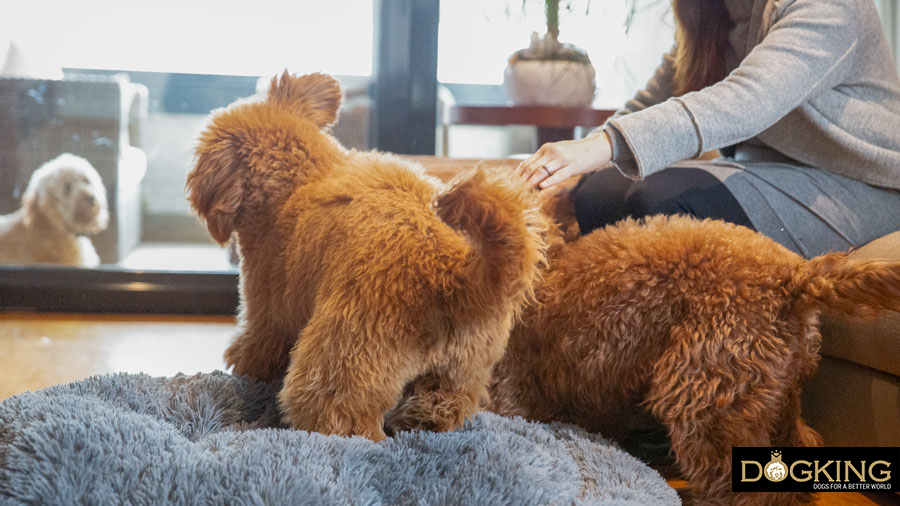
The first tip may seem obvious, but many owners who complain about their dogs' rough play are unaware that they themselves provoke this situation by playing too intensely. For play to be beneficial and fun for your pet, their level of excitement has to be just right. It is just as bad if they get bored and we fail to arouse their interest as it is if we over-excite them and they become too nervous. You can prevent your dog from playing anxiously by controlling your attitude. Do not raise your voice or make any sudden movements during play, such as jumping up and down, stomping your feet, trying to catch your dog or any gesture that you feel makes your dog overly nervous. It is normal for your dog to be curious, amused and excited during play, but you know your dog better than anyone else and you know when that excitement crosses the line. When this happens, stop the game and wait for the mood to cool down.
2. Short games are best
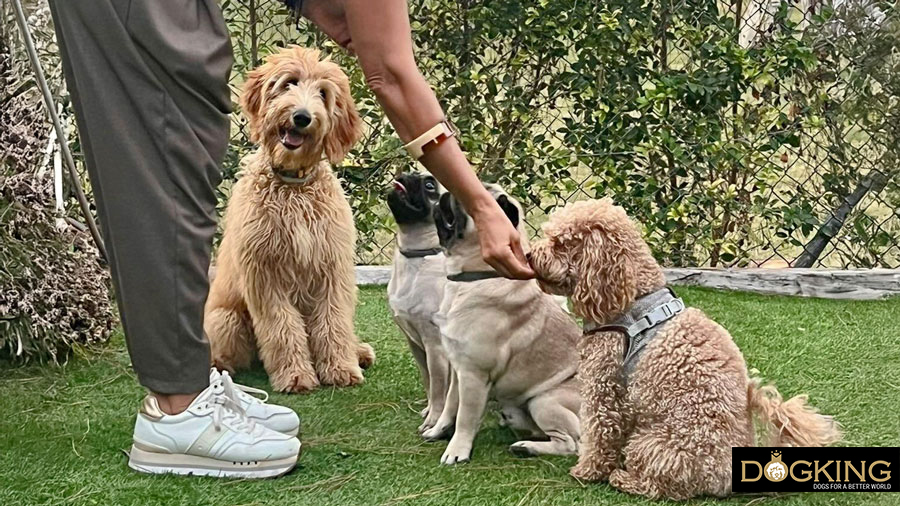
If your dog tends to get a little nervous about play, we recommend opting for short but frequent sessions throughout the day. Rather than a single long, intense play session for your pet, which could easily raise their excitement levels, opt for shorter games more often during the day, which is likely to help maintain an average level of intensity that is much more beneficial to both of you.
3. Choose the ideal game
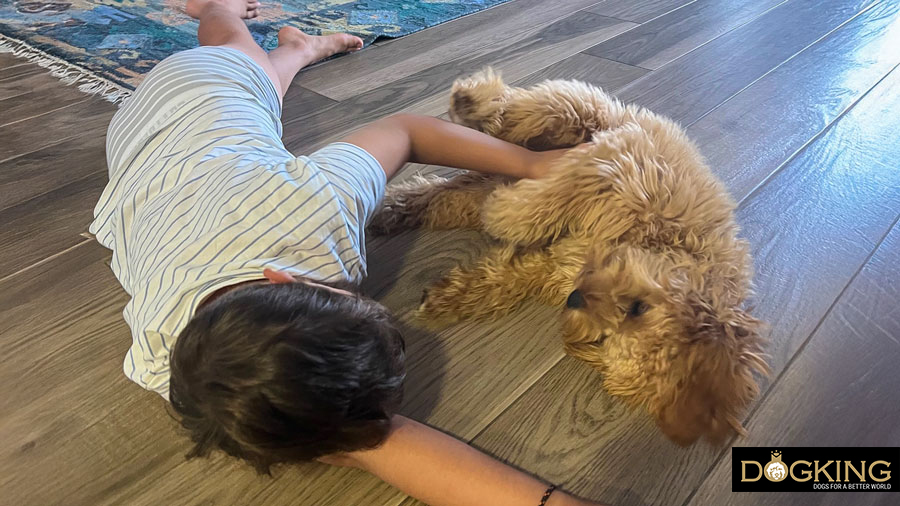
We never tire of explaining how important it is to observe and get to know your pet. That way you will know what kind of games they like best. And, be careful, these are not the ones with which they are most excited and nervous, but quite the opposite. Find a game with which your dog is super entertaining and curious but which does not trigger their anxiety levels. Some very attractive games for dogs that don't usually involve a lot of excitement are playing hide and seek, fetch, agility games with gymkhanas or finding hidden treats around the house. In general, we do not recommend playing with your hands or games that involve roughly taking the toy away from the dog as the they could develop protective behaviours and the game will not be at all pleasant for them. If we want the dog to return the toy, the best thing to do is to ask for it and offer them a reward in exchange.
4. End the game when necessary
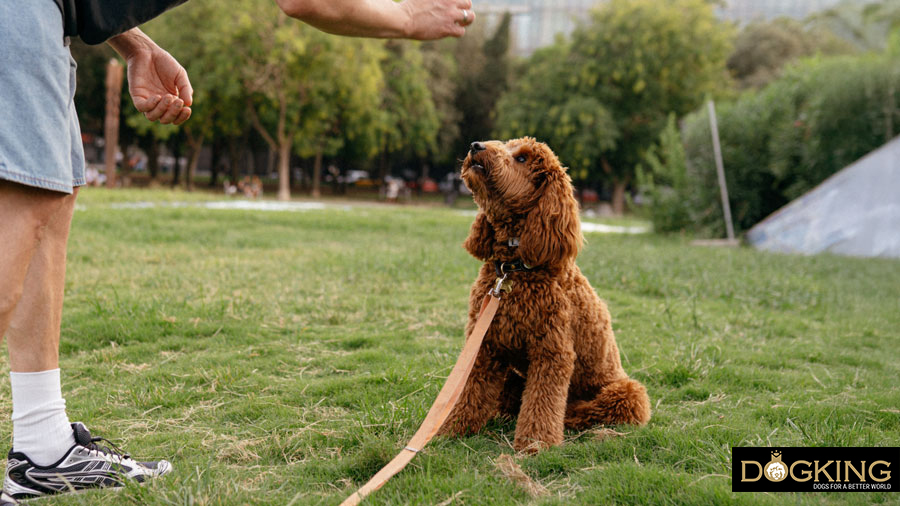
In order for your pet to understand what kind of play is permissible and what is not, it is imperative that you stop the activity immediately when they show overly strong or anxious play. If your dog tries to jump on you, reaches for your hands to bite them, or plays too hard, stop the play. You can also use the word ‘NO’ to point out the undesirable behaviour and then ignore the animal for a while. In this way, and if you are consistent every time you play, your dog will internalise that if they are too rough, the fun will be over and they will learn to behave in a more relaxed way during the game.
5. Don’t scold or punish them
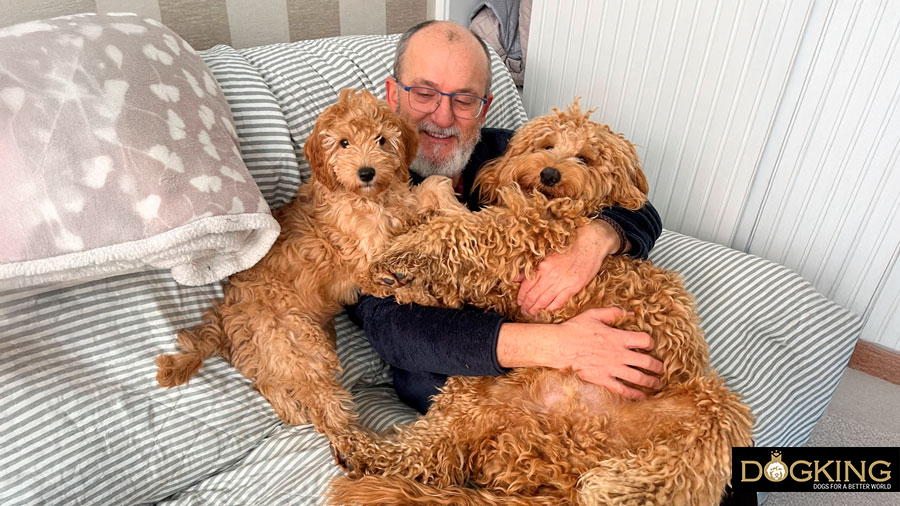
Shouting, scolding or punishing your dog will do nothing to make them change their attitude, especially in a high-energy situation where we are trying to calm them down. If your dog hurts you during play, complain loudly and clearly, to make it clear to them that with that level of force it is dangerous to play, but do not scold them and do not, of course, hit them with your hand or throw the toy or any other aggressive gesture. After complaining, stop the game and resume later when your pet is calmer. At this point, you can incentivise good behaviour with a treat so that they understand that what you want from them is calm play.
6. Watch for cues
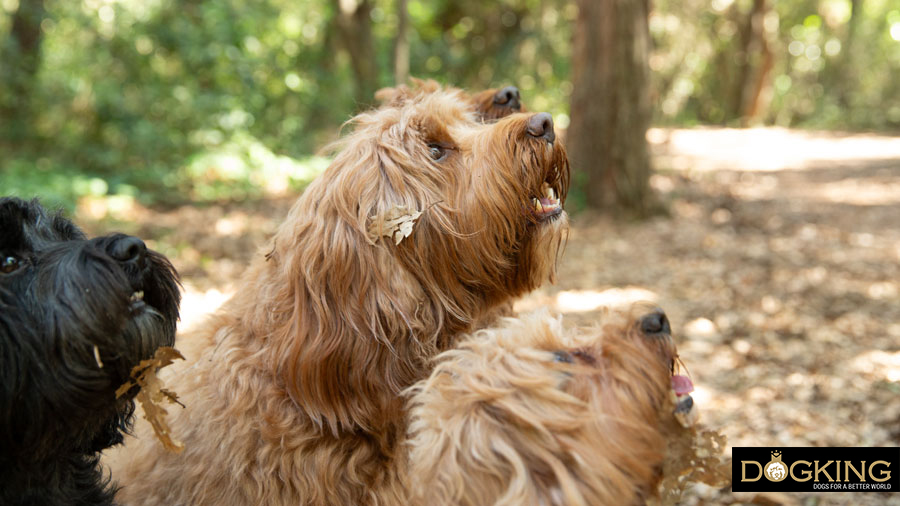
Dogs don't speak with their voice, but they do speak with their body posture. If you think it is difficult to distinguish a dog that enjoys and has fun with a non-stressful game from another animal that is overexcited and very nervous, pay attention to these signs: the position of the tail in tension, the lowered ears, excessive yawning or lack of eye contact are some signs that your dog is not relaxed while playing. If we do not manage play well with dogs, it can become a negative stimulus for them, as it will activate their resource protection response and other anxiety mechanisms.
7. With other dogs
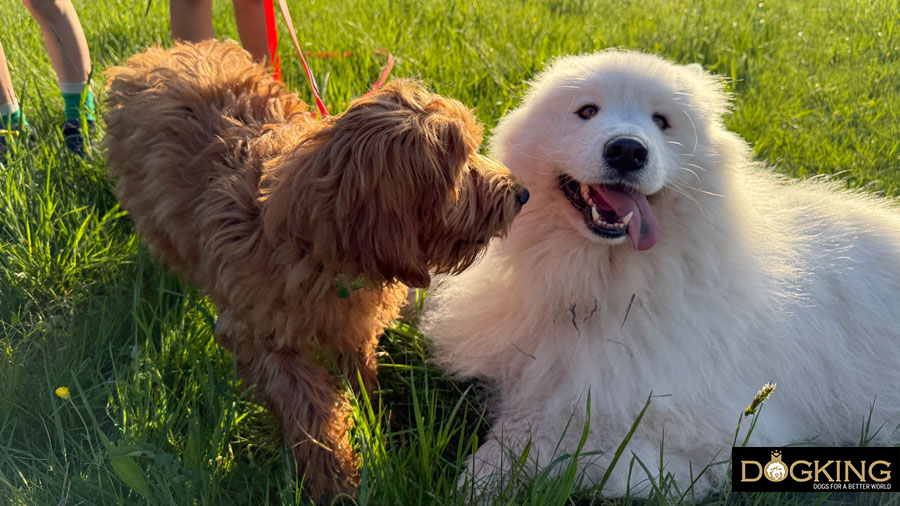
If every time your dog starts playing with another dog in the street or in the park you are worried that the happy pastime will turn into a fierce fight, consider this. Dogs have their own internal communication system and shared codes of conduct. Most of the time they know how to resolve conflict situations on their own, so you should intervene as little as possible even if things get tense. The most normal thing is that after a certain exchange of signals, one of the dogs will withdraw, but if they start a fight and you fear for your dog's safety, we recommend that you seek the help of the owner of the other dog and try to separate the animals from behind, always very calmly and quietly, without fuss, shouting or alarm. If we get upset, we will only increase the tension of the situation, which could aggravate the fight. Similarly, instructing your pet in a fun but careful game at home will help him to transfer this behaviour to play with other canine companions, so never play rough with your dog thinking they won't do it in the street or with dogs bigger than them.
The perfect game with your dog
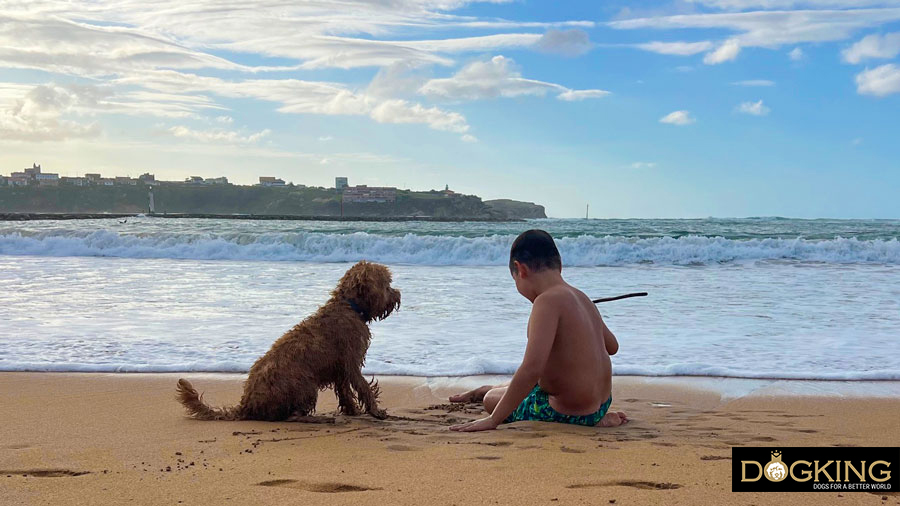
Chasing, throwing, running, jumping... The ideal game with your dog is one that allows you to spend quality, enjoyable time together. Playing is one of the best ways to exercise, stimulate and amuse your pet, and it is also an activity that strengthens a healthy bond between the two of you.
Some very playful dogs, such as the Australian Cobberdog, are very curious about everything around them and have a great time interacting with all members of the family and other animals. In addition, because of their calm temperament, they tend to play in a relaxed way that stimulates them but does not stress them, as long as we help them with good training and the right attitude on our part.
It is very important that you teach your dog what kind of play you want to develop and what rough or forceful behaviour you do not like. This will help them to eliminate play anxiety and avoid conflicts with other dogs, and to keep having fun together!