|
|
|
|---|---|---|
General health |
★★★★★ | ★★✮✩✩ |
Tendency to bark |
★★★★✩ | ★✩✩✩✩ |
Able to live with children |
★★✩✩✩ | ★★★★★ |
Sizes |
Miniature | Miniature / Medium / Standard |
Hypoallergenic coat |
Yes | Yes |
Health |
★★★✩✩ | ★★★★★ |
Good temperament |
★★★✩✩ | ★★★★★ |
Able to participate in family activities (outings, beach…) |
★★✩✩✩ | ★★★★★ |
Purpose of the breed |
Companion dog | Therapy and assistance dog |
Able to be a therapy dog |
★✩✩✩✩ | ★★★★★ |
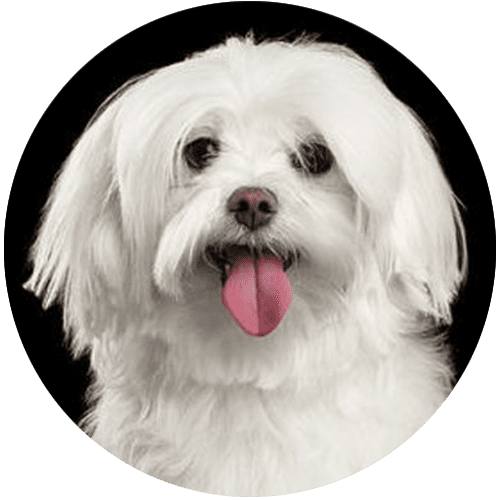 Bichon Maltese

Not familiar with the Australian Cobberdog breed?
We can give you prices, availability and all the information you need for you to decide which breed best suits your lifestyleI WANT MORE INFORMATION

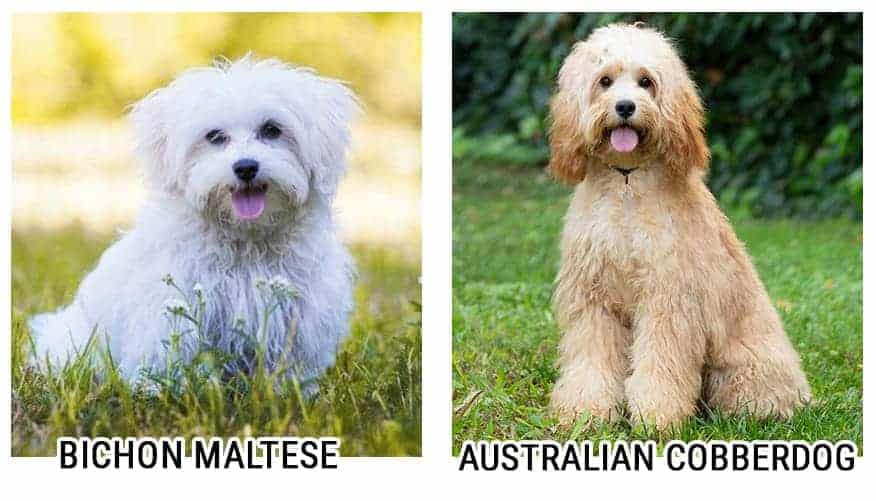
If you like Bichon Malteses, You're going to love the Australian Cobberdog
-
COAT:
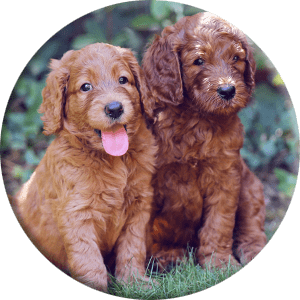
If you like the long coat of Bichon Malteses, the Australian Cobberdog has an equally soft coat but with beautiful waves, no tear or beard stains like the Bichon Maltese, no shedding and is hypoallergenic, and comes in white (as well as cream, gold, red, black...). -
CHARACTER:
If you think the Bichon Maltese is the best companian dog, that's because you haven't met the character of the Australian Cobberdog yet. They are super affectionate dogs which are very sensitive to the feelings of their favourite humans. However, they are also super fun and very playful, although they tend to be more calm and less nervous than Bichon Malteses. -
ABILITY TO BE A FAMILY DOG:
The Bichon Maltese is a good companion dog, but they are not very comfortable around children, nor can they participate in long outings in the mountains, swimming in the sea, running… The Australian Cobberdog is a dog that loves to be around children and loves to play with them. They are also extremely enthusiastic and will happily join in with any family activity regardless of what it may be.
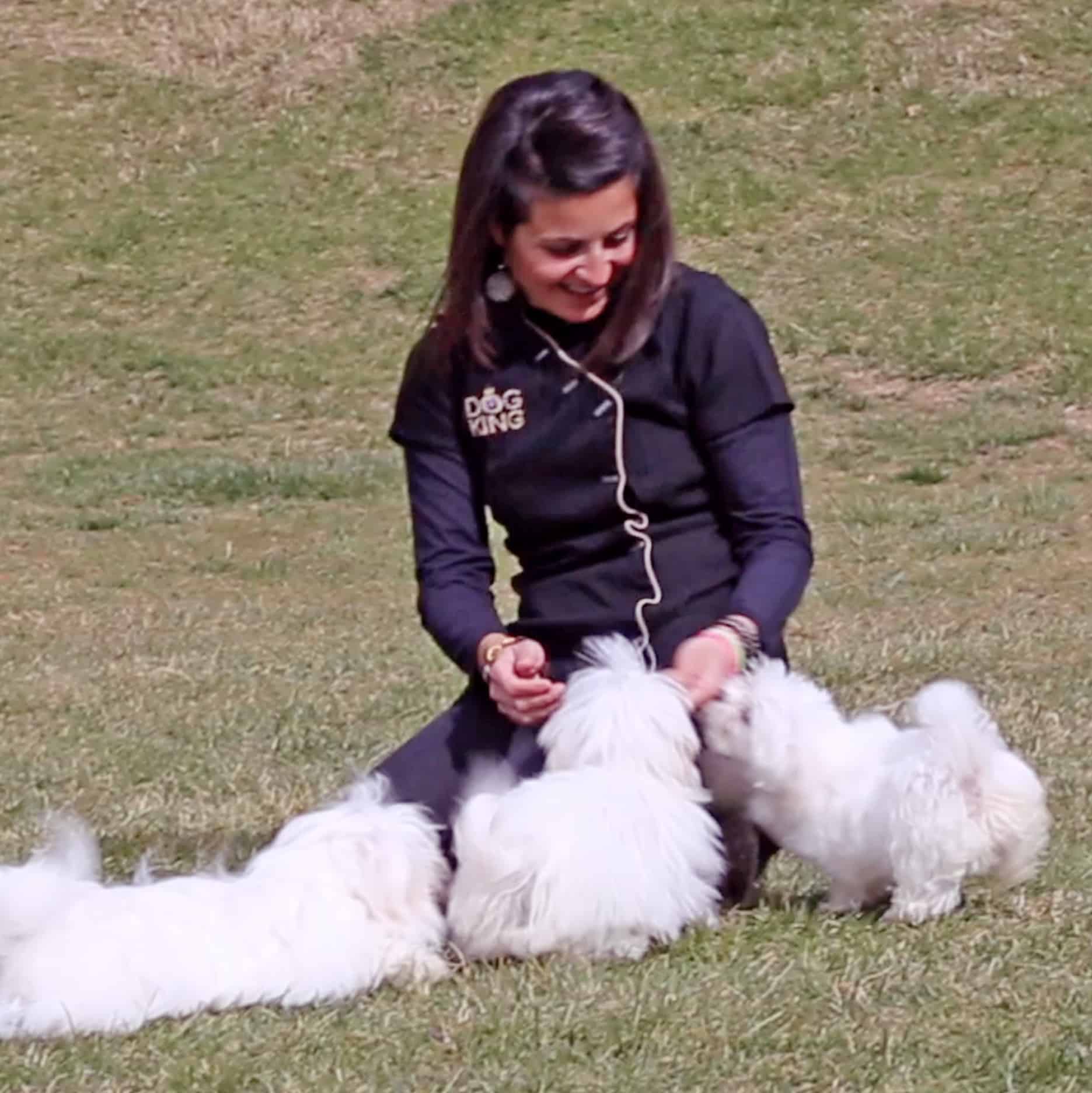
We know what Bichon Malteses are like because we have bred and cared for them
In the early days of DOGKING, the Bichon Malteses was a breed we bred at our centre. However, we stopped breeding it because of all the problems that were associated with it. Despite being a beautiful breed with a promising reputation, they were very nervious and yappy dogs who were often protective of resources or even their owner and would not let anyone near them. We also stopped breeding Bichon Malteses as they started displaying signs of feeling threatened by children and they often became snarly. While some of them are wonderful dogs, not all of them are.Although Bichon Maltese puppies are highly sought after, we prefer not to breed them as they sometimes cannot tolerate living with children and are often nervous in nature.
In contrast, the Australian Cobberdog is a dog with a healthy genetic profile and a well-balanced temperament. They also come with hypoallergenic coats and are available in 3 sizes to suit the needs of every family.
MEET YOUR FUTURE PUPPY
Leave us your details and we will get in touch to arrange a visit with our Cobberdog pack on whichever day suits you bestI WANT YOU TO CONTACT ME

Families who already own an Australian Cobberdog are convinced
All the families who now own an Australian Cobberdog were in the same situation as you before they made their decision. Most had owned dogs before (50.3%) or had one around during childhood (29%) and were not familiar with the breed (73.5%). In fact, they were considering other breeds (70.2%) before settling on the Australian Cobberdog.However, now that these families know what it is like to live with an Australian Cobberdog, they have assured us that, if they were ever to consider getting another dog, it would be another Australian Cobberdog (92%). When we asked what they love most about their dogs, the majority responded with "their character and how affectionate they are" (84%). The majority of the families (91%) confirm that their expectations have been met with the Australian Cobberdog breed.
These are only some of the data extracted from the surveys that we carrying out for the families that have an Australian Cobberdog. However, the data is rather vague and difficult to grasp, which is the reason why we invite you to get to know us and experience what Australian Cobberdogs are really like. We are sure you will fall in love.
THE 7 DIFFERENCES BETWEEN THE BICHON MALTESE
AND THE AUSTRALIAN COBBERDOG
DIFFERENCE NO. 1: Temperament |
| BICHON MALTESE: The Bichon Maltese is a dog with far too much energy for its small body to handle. This high level of energy can therefore make them somewhat nervous and anxious. Their small size also makes them feel vulnerable and they tend to growl at children or dogs which are larger in size. They are often protective of their resources and this extends to their owners, since they are a very clingy breed. AUSTRALIAN COBBERDOG: The Australian Cobberdog is a dog with a very docile and affectionate temperament. They enjoy being around family and need to feel loved. They are very sensitive and empathetic towards the emotions of their humans, but they are also very open to strangers. They are also fun dogs which are eager to play and participate in any family activity. |
DIFFERENCE NO. 2: Sizes |
| BICHON MALTESE: Bichon Maltese only come in one size: toy size. This means they are a breed with little physical capability. AUSTRALIAN COBBERDOG: The Australian Cobberdog comes in 3 sizes (miniature / medium / standard) Therefore, it is a breed that adapts very well to the lifestyle of each family. |
DIFFERENCE NO. 3:Barking |
| BICHON MALTESE: Bichon Maltese are among the dog breeds that have a tendency to bark. They are extremely vigilant and often have a barking fit in response to unfamiliar noises. Socialisation is essential, since they can become small alert dogs even from the sound of the doorbell. AUSTRALIAN COBBERDOG: The Australian Cobberdog is definitely not a guard dog, as they tend to befriend anyone and everyone. They do not tend to bark nor use their bark to signal that someone is coming into the home. |
DIFFERENCE NO. 4: Health |
| BICHON MALTESE: Training this breed to control their sphincters can be difficult and they tend to be picky eaters. Like other white coated dogs, they are more prone to developing dermatological problems and allergies, and this type of coat may also be an indicator of conjunctivitis or eye irritation further down the line. Other problems they are prone to include dislocation of the knee and elbow, conjunctivitis and kidney failure. . AUSTRALIAN COBBERDOG: The main criteria for the breeding of the Australian Cobberdog is the selection of a temperament suited to both therapy and assistance and a hypoallergenic coat. Its development as a breed has been very well controlled from the beginning, meaning it has strong and healthy genetics. |
DIFFERENCE NO. 5: Living with children |
| BICHON MALTESE: Due to its long coat and special character, it does not always mix well with children. The Bichon Maltese does not tolerate hitting or fur pulling. While not all Bichons are like this, it may not be the most suitable dog for children because they are easily irritated. Their small size also makes them more susceptible to accidents resulting in broken bones or fractures if children are too rough with them. AUSTRALIAN COBBERDOG: Australian Cobberdogs love to be with their family. The thing these dogs treasure the most is having their family make plans with them and just simply being around them. They like spending time with children and will easily become best friends with any child that they encounter, since they prize themselves on making their humans laugh. These dogs tend to act like puppies by rolling over and asking to be petted on their belly. They generally get along well with other dogs and pets of other species, gladly befriending anyone. |
DIFFERENCE NO. 6: Therapy dog |
| BICHON MALTESE: Bichon Malteses do not make great therapy dogs due to their nervousness and tendency to bark. In the cases of working with people with special needs, a dog which is calm and collected with a good control of their instincts is the bare minimum for success. AUSTRALIAN COBBERDOG: The Australian Cobberdog was designed to be the ideal therapy and assistance dog. Due to its hypoallergenic nature, even people with allergies can benefit from this therapy dog, since it does not shed allergens into the environment. It is a dog that continually looks you in the eye and has a gentle, cautious and respectful attitude. These dogs are very friendly in appearance given their resemblance to cuddly toys. and does not usually generate aversion. |
DIFFERENCE NO. 7: Responsible breeding |
| BICHON MALTESE: There are many people who breed Bichon Maltese with the sole aim of making a profit, with no concern for the dog's genetics or welfare. We advise that you please avoid such breeders. AUSTRALIAN COBBERDOG: Here at our centre we have a breeding programme that guarantees that none of our dogs will be abandoned and we always take care of the welfare and genetics of all of our dogs. On top of that, we do everything legally, with contracts and transparent communication with our clients. |
| REQUEST INFORMATION ABOUT AUSTRALIAN COBBERDOG PUPPIES |

Do you have any questions?
We will be happy to answer any questions you may have about choosing the right breed for you and your lifestyle.We love to talk about dogs!
I HAVE A FEW QUESTIONS I WOULD LIKE YOU TO ANSWER