10 ways to make your dog happy
The well-being of your furry friend depends only on you.
THE TEMPERAMENT OF DOGS
Approximate reading time: 8 minutes
Dogs are social animals that greatly enjoy our company. Not only that, but they literally need us to be happy. In reality, a dog doesn't ask for much to be happy: basic care, pampering, games, freedom... But above all, what makes them feel best is spending time with their favorite humans. They are so grateful!
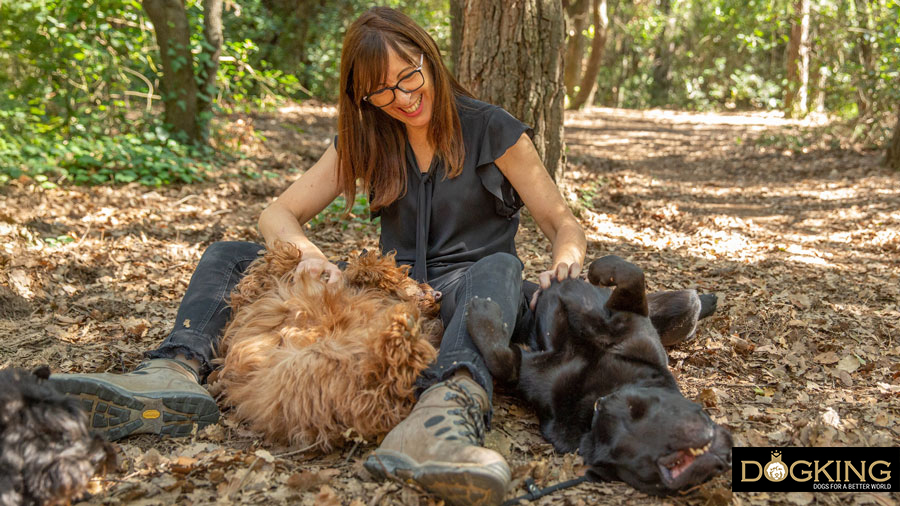
When we add a furry friend to our family, it is our responsibility to give them everything they need not only for their survival, but our true mission is to make them feel fulfilled, stimulated and happy. Surely you, who know your furry friend better than anyone, already know what things make them jump for joy, but in this article we remind you what aspects you should take into account to offer them a quality lifestyle that will make them your best friend and the happiest of dogs.
Varied games
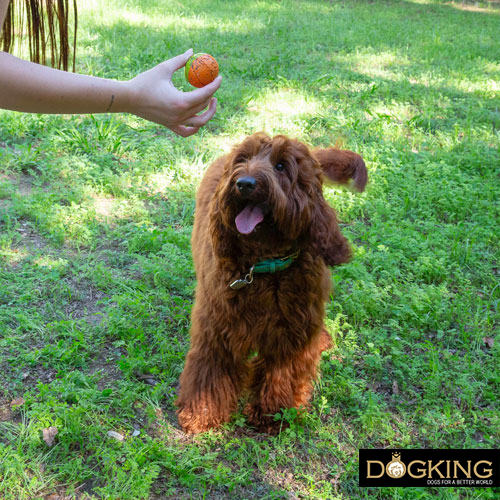
Surely you already know that play is essential for your dog to feel happy. However, it's not enough to have just one ball and the only activity you do with them is to throw it at them mechanically so he can bring it back. The game should be a moment of fun, stimulation and learning for your best friend, and for this, the best alternative is to vary the activity frequently. It is not necessary that you buy a thousand toys, but it is necessary that the game meets the different needs of your dog. Your furry friend not only needs physical games to exercise, but also the need of olfactory games and intellectual games to develop other basic aspects of their health.
Playing with your dog not only helps to strengthen your bond, but also allows them to burn energy, feel stimulated and challenged, do physical exercise and combat obesity, learn new things, practice obedience, etc. There are so many benefits! Don't forget to play with your dog every day and vary the activities often.
Understand their language
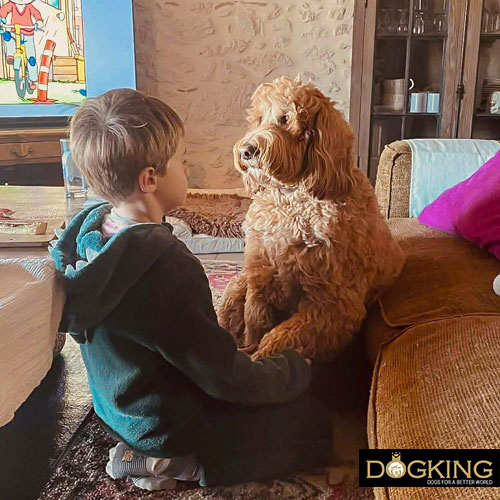
As much as we love our dogs, the truth is that we speak different languages. This is a reality that you cannot ignore. No, your dog does not feel like you, nor communicate like you, nor have the same needs. Therefore, your pet does not find it fun to dress up and he does not bite things out of revenge or smell other dogs' poop because he is a pig. Don't fall into humanizing your furry friend and take on the challenge of understanding in what natural ways they express themself and why they do what they do.
Dogs act according to their natural instincts, and “speak” to us with their barking, the posture of their body, their ears and tail, their behavior… For example, if your dog sleeps near you with his belly up, it means that they are very confident and feel safe by your side. However, if they growl and show their teeth, they are sending you a warning signal: what is happening at that moment is not making them feel good. Having a dog is about observing them, spending time with them, understanding their signals and never stopping learning.
Free air and freedom
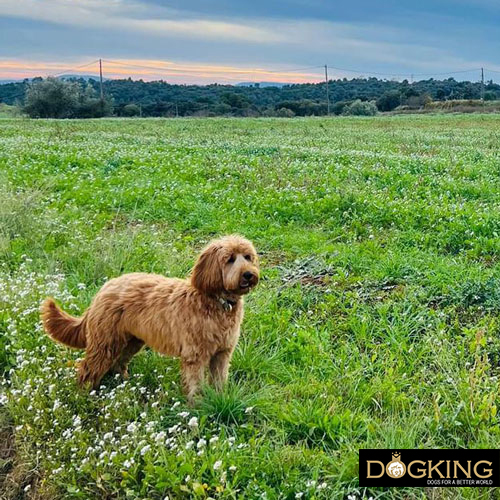
Dogs need to spend time outside to feel happy. Long walks, parks, excursions to the countryside, visits to the beach... Allow your furry friend to discover the wonderful world that is out there and enrich their life with all those stimuli that exist beyond the home. Taking fast, nervous walks to relieve them is not enough. Make sure that, at least once a day, your dog enjoys a quality outing in which you allow them to run, smell as much as they want, greet other dogs and, ultimately, be a dog.
And, whenever you can, make special plans outside so they can enjoy the outdoors and the feeling of freedom. To do this, try to look for safe spaces from time to time where your dog can run without a leash. You both will feel super happy and relaxed!
Education through positive reinforcement
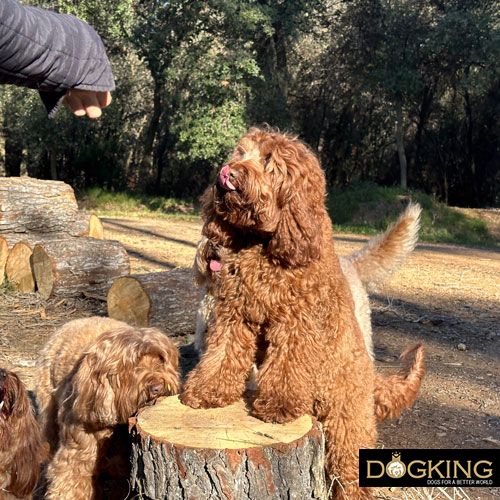
Every time you scold or yell at your dog, believe us, not only do they not understand anything, but it only makes the situation worse. Science has proven on many occasions that dogs only learn through positive reinforcement. This means that instead of punishing your dog for what they do wrong, you should reward them for what they do right. Educating your dog is vital for their emotional balance and good coexistence at home, but you must do it with patience and love, working on signals that help them understand what you need from them (such as "come", "stay" or "sit"). Establish rules about what is allowed and what is not allowed (climbing on the couch, for example) and make them understand them by rewarding their learning. If what you want is for your dog to give up a bad habit, show them what you want from them (to calm down, to go away, to sit, etc.) and reward them with petting or pieces of food or treats when they obey you. Remember, a well-mannered dog is a happy dog.
Hygiene routines
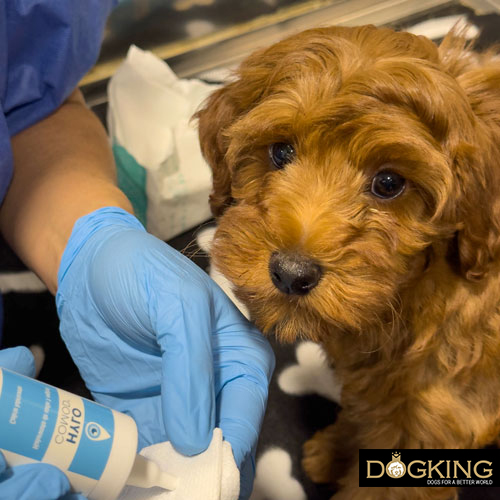
In addition to bathing your dog, the most basic hygiene routine, don't forget to check the eyes, ears, skin and pads. You can take advantage of bath time to do a general checkup on your furry friend to make sure they don't have any problems. Sometimes, dogs can suffer small injuries on their walks, have plants stuck in them, or dirt stuck to them. To keep your dog's hair clean and its skin in good condition, remember to brush it regularly with a quality brush suitable for its coat. Ideally, you should get your dog used to these routines when he is a puppy, so he will learn to be calm while you handle and inspect him, although you can also teach him as an adult with a lot of patience and positive reinforcement. By the way, always try to use hygiene products made specifically for dogs, with a pH suitable for their skin and without chemical aromas, since their sense of smell is very sensitive to these artificial odors.
Veterinary checks
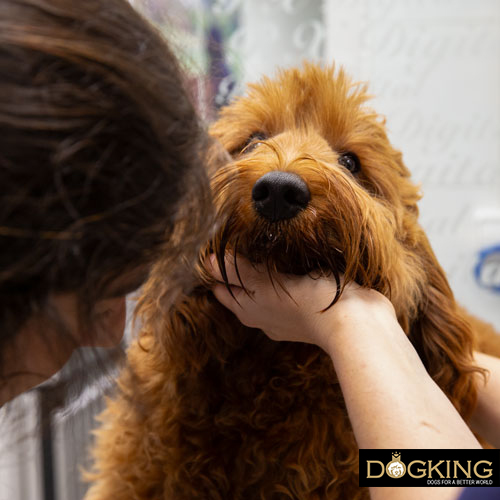
Just as people should not wait until they are sick to go to the doctor, the same thing happens with your dog. Don't leave visits to the vet only for when there are symptoms. Prevention is key to the health of your furry friend, so we advise you to take them periodically for a check-up. Depending on the age and health of your dog, the veterinarian will establish the frequency of check-ups. Of course, it is essential to keep your dog's vaccinations and deworming up to date.
In addition to physical health, don't lose sight of your pet's mental health. If you detect unusual behaviors, such as excessive licking, destructive behaviors, or notice your dog unmotivated and apathetic, consult with an ethologist to help your pet return to its former self.
Quality food
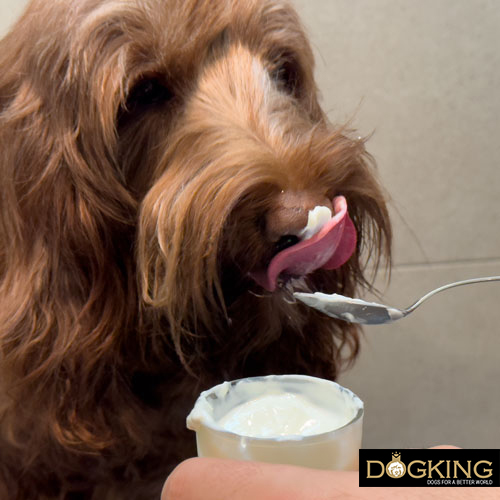
When it comes to having a dog, it is very important to learn about canine nutrition. Dogs are omnivorous animals, and although they can eat different foods, they need quality animal protein to be the basis of their diet. Knowing this is essential to choosing a good food for your furry friend. Don't get carried away by commercial brand claims and investigate your pet's needs to give them the most appropriate food. Depending on your health, size, race or age, you will have certain nutritional requirements to others.
On the other hand, you can consult with your veterinary nutrition specialist to decide which format is best for your dog. If you already have a dog and want to improve its diet, seek advice and don't delay. Good quality food can greatly improve your furry friend's quality of life and even make them live longer.
Spend time together
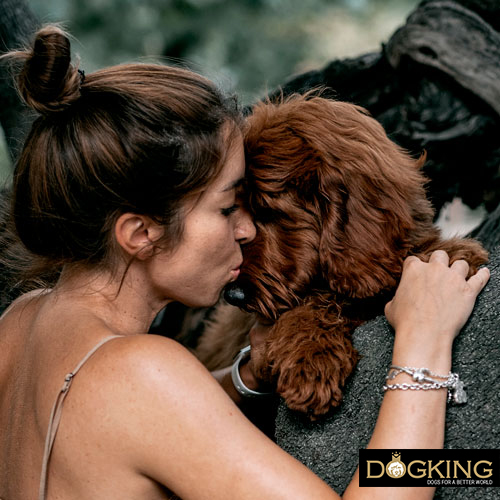
Your company is very special for your dog. These animals create very intense bonds with their caregivers, so to be happy they need to spend time with them. And if it is quality, even better. Don't limit your interaction to short walks and four games at home. Take him with you for a run, a bike ride, teach him tricks, create a gymkhana or agility circuit to practice together, go on an excursion to the forest or have a drink at a dog-friendly cafeteria. Believe us, by making different plans with you, your dog will feel overflowing with happiness.
Socialization with other dogs
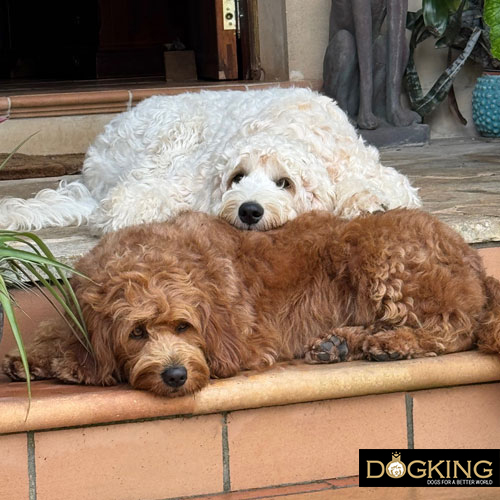
Well yes, your dog adores you and you are, without a doubt, the centre of their universe. However, they cannot ignore their nature, and as a dog they need contact with other dogs to feel fulfilled and happy. Therefore, you should let your pet interact with other dogs on walks or outings. Do not protect them excessively or act with reservation in the presence of other animals, as you will only add tension to the situation. Allow your dog to socialize naturally with his companions to learn and reinforce their communication codes.
But not only that, the socialization of your furry dog also involves their relationship with other people, including children, as well as exposure to different environments, situations and noises. The sooner you start your pet's socialization process, the better (the puppy stage is vital). Of course, never force your dog to do anything they don´t want to or overwhelm them with too much stimuli. Always advance gradually.
Cuddles and pampering
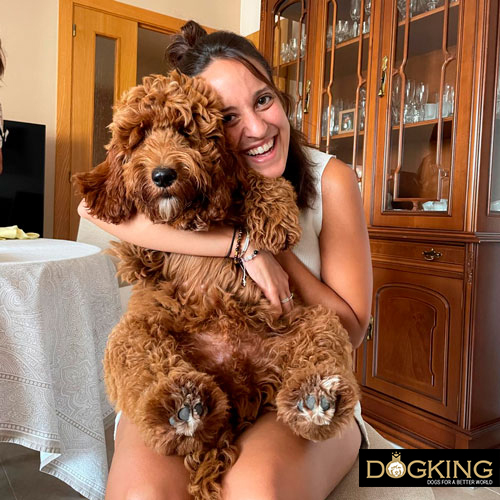
Last but not least… love your dog! Show them all your love with gentle stroking on their favorite parts (the upper part of the back and neck almost never fail) and, if they tolerate them, with kisses and hugs, why not! Of course, make sure that the contact is not overwhelming for them, and to do this, pay attention to their signals and regulate the intensity of the pampering according to what your furry friend needs. There are dogs that are less cuddly and show their love and fidelity in other ways, while some others, like the Australian Cobberdog, never stop asking for caresses and attention and are real stuffed animals delighted with affection and physical contact.