5 activities to do with your elderly dog
Keep your pet active and happy at this stage of their life.
WHAT IS LIFE LIKE FOR SENIOR DOGS?
Estimated reading time: 7 minutes
Owning a dog means making a lifelong commitment to care for, protect and love it. As they get older, our furry companions go through different stages, each with its own characteristics and needs that we must understand to adapt to them. In their senior years, the natural ageing process and associated physical decline cause their energy levels to drop. If we add to this the fact that, in some cases, there may be bone problems that cause discomfort, it is normal for a senior dog not to be as active as it used to be.
Although it depends on breed and size, a dog is considered senior between the ages of 7 and 10 (small dogs have a longer life expectancy and therefore age later than large dogs). However, your pet entering this stage does not mean you should stop exercising or stimulating it mentally. Quite the opposite! Your dog needs you more than ever to keep it company and continue setting age-appropriate challenges that keep it motivated and happy. Today we share 5 very beneficial activities you can do with your senior dog. Let's discover them!
Table of contents
1. (Shorter) walks in town or in the countryside
3. Swimming for dogs: a sport without impact
(Shorter) walks in town or in nature
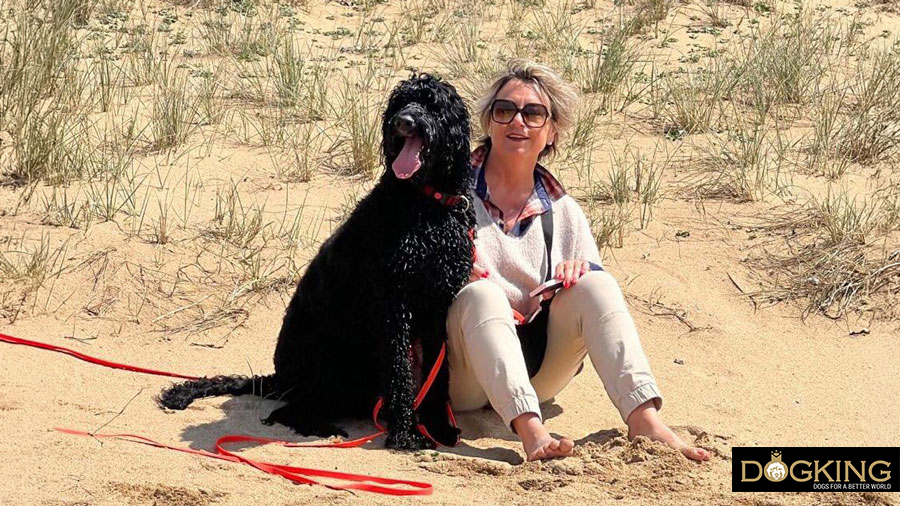
Your dog may tire sooner, but that doesn't mean you have to cut back on walks and nature outings. Just keep the walks shorter. On a day-to-day basis, you can try 3-4 walks, the length of which will depend on your dog's state of health and energy, so we recommend experimenting and watching for signs of tiredness to reduce the length of the walk if necessary. From time to time, you can continue to take your dog to the countryside or the beach, but avoid very hot or cold days, as older dogs are more sensitive to extremes of temperature. Even if they don't run as much as they used to or walk for less time, believe us, they will have a great time sniffing the plants, listening to the birds and, in short, exploring the environment through their senses. In this way, you will be enriching your furry friend's life, as well as helping him to fight obesity, a risk factor for many pathologies, through walks.
It is also important to bear in mind that some dogs change their temperament a little with age. You may notice that your pet is more fearful or withdrawn on your outings. In these cases, try to calm him down, but don't force him.
Don't stop training
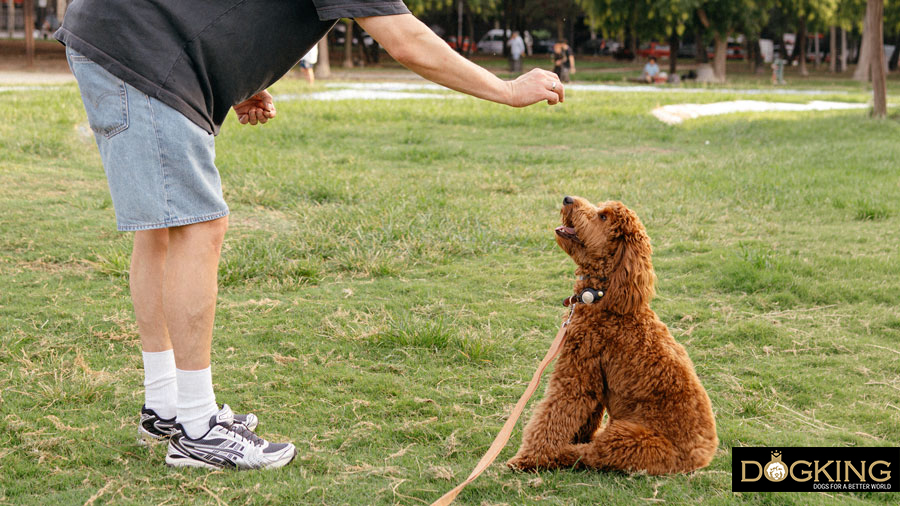
When you notice that your senior dog is more tired and distracted, you may think that practising tricks or training cues will be a nuisance for him. But you should know that training is not just for puppies or young dogs, it benefits them throughout their lives. Through the words and signals with which you ask your dog for something, he feels useful and motivated to satisfy your demand, as well as stimulating him mentally, which is very important at this stage to avoid cognitive deterioration. In fact, as long as you see that your dog still has the ability to do this, you can even teach him new tricks. Of course, don't forget to reward him whenever he does well, but keep an eye on snacks, as older dogs can put on weight more easily. An alternative is positive reinforcement with petting.
Swimming for dogs: a non-impact sport
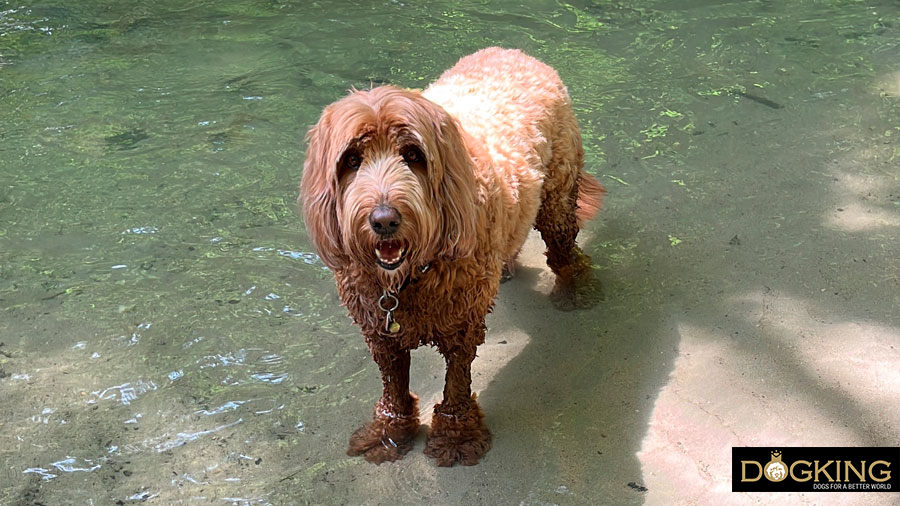
With age, some dogs may suffer from bone problems such as joint wear and tear, osteoarthritis or hip dysplasia. In these cases and in general, swimming is a very interesting option, as there is no direct impact. In addition, swimming will help your senior dog to relax and strengthen his muscles. Ideally, you should take your dog to a specialised pool, as this will always be the safest environment, but you can also experiment in lakes or on beaches if the sea is calm (we don't want to cause them to overexert themselves). Keep in mind that swimming is not for every dog, so if your pet is not suited to it, don't force it and choose another alternative to keep it active.
Offer adapted games
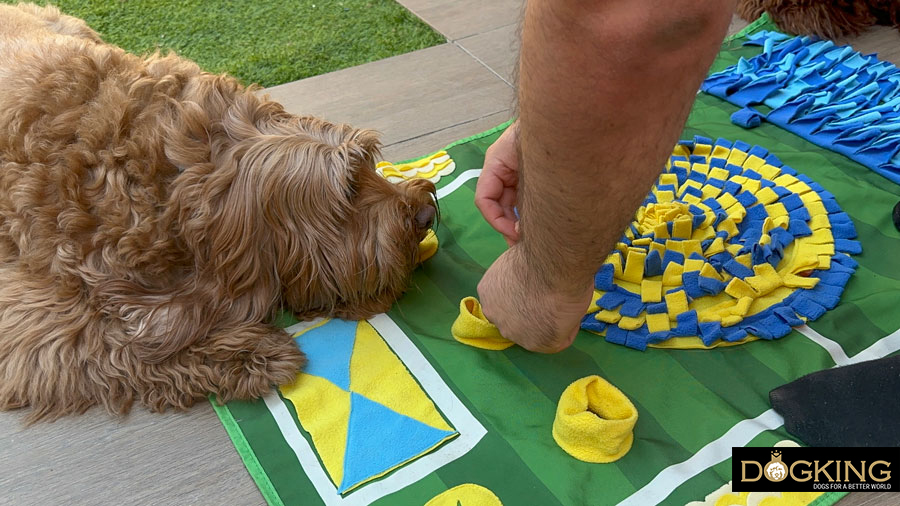
Even as they get older, all senior dogs have a playful, unruly puppy in them. Their instinct to play is very strong, even if their energy is lower due to their advanced age. So yes, you can and should continue to play with your senior dog, but we recommend that you adjust the intensity and duration of the sessions and adapt the different activities to make them more accessible. To motivate him to move even more, surprise him with new toys or games so that he can't resist. Oh, and don't forget a very important part: mental stimulation. To do this, you can use mental games or games that stimulate his sense of smell. The kong or the smell carpet are very popular, but there are countless gadgets that you can find in specialised shops.
Give him relaxing massages
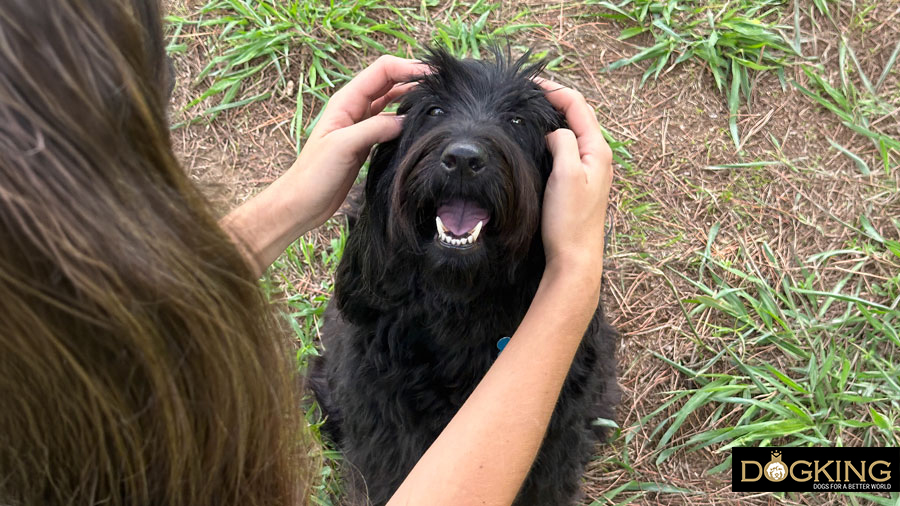
Massaging your dog is an excellent way to strengthen your bond, both because of the trust that this direct handling requires, and because of all the affection that your touch conveys. But, in addition, with these massages you can help your dog to loosen his muscles, which with age may be a little stiffer, making them more flexible. This will give him a pleasant feeling of relaxation, and he will be very happy to share this positive moment with you. If you don't know where to start, you can ask a canine physiotherapist. Ideally, apply gentle pressure and work your dog's spine from the head to the end of his back in a circular motion. In any case, no one knows your furry friend better, so this is the time to give him a few extra strokes where he likes them best (on his tummy, around his ears, at the base of his paws...) He'll love it!
And here are the 5 activities you can do with your elderly dog to help him have fun, stay active and, in short, feel much better. At this stage of their lives, dogs are more vulnerable, both health-wise and emotionally, so we recommend that you keep a close eye out for signs and symptoms that may indicate that something is wrong. If you have a senior dog, increase your veterinary check-ups and offer him your care and affection to help him get through this stage in the best possible way, just as he deserves. Here's to many more years!