Pet cemeteries
An option to consider
ADVANTAGES OF CHOOSING THIS SPECIAL WAY TO SAY GOODBYE TO YOUR DOG
Estimated reading time: 8 minutes
One of the most painful and difficult thoughts to accept when we have a pet is the certainty that one day we will have to say goodbye to them forever. Whether due to natural causes, illness or other reasons, the death of a dog is a very hard and sad experience that affects all members of the family. According to several scientific studies, the emotional impact on a person after losing their dog is, in many cases, similar to that experienced after the death of family and friends. For with all the love, loyalty and kindness that these amazing animals show us every day, the bond we form with them is so intense and deep that having to say goodbye to them can be devastating.
On a more practical note, dealing with the death of our dog leaves us with questions, doubts and concerns: what should we do with our beloved pet? Nowadays there are many different options to suit the needs and preferences of the owners. The aim is to give the pet a farewell worthy of what they have meant in our lives. A very special alternative are the cemeteries for animals, spaces designed to house the graves of pets, paying tribute to them through a dignified burial.
Table of contents
1. What are pet cemeteries like?
2. Other ways to say goodbye to your dog
3. Saying goodbye to your dog: the importance of accepting grief
What are pet cemeteries like?
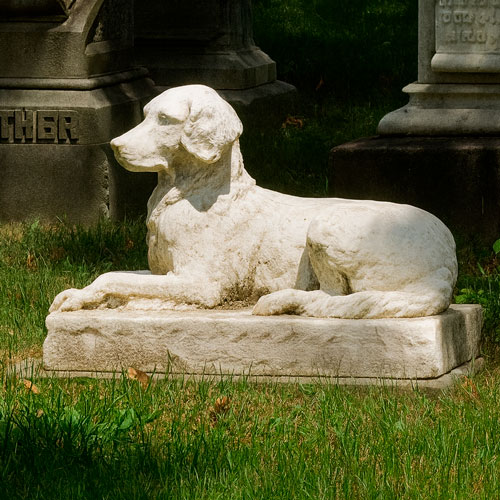
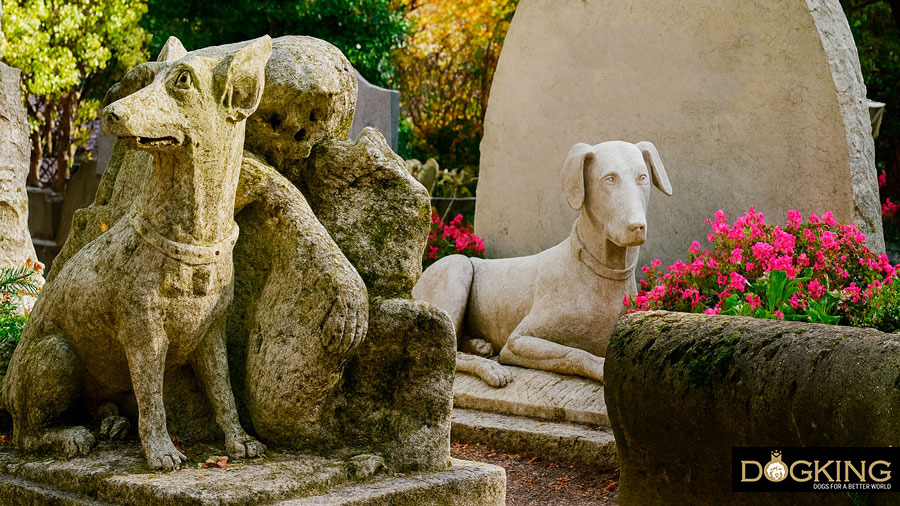
Pet cemeteries have their origins in the ancient custom of burying pets. In Ancient Egypt, cats were buried and mummified with their owners. This practice was also common during the Roman Empire. However, the oldest known pet cemetery is the one in Paris. This canine necropolis is a place of great beauty and those who have visited it say that it conveys great peace. Inaugurated in 1899, it receives many visitors every year, as some of history's famous dogs are buried there.
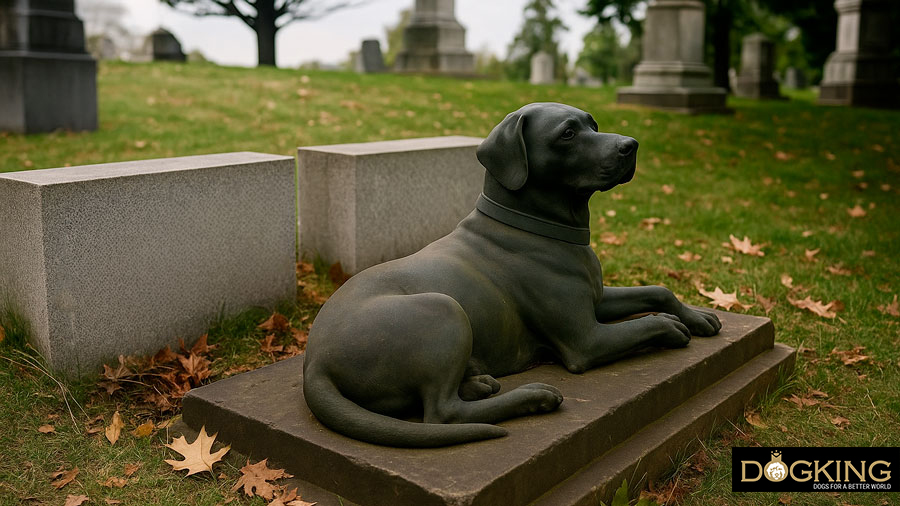
Today, pet cemeteries are becoming more and more common. In almost every country, and in more and more cities, there are pet cemeteries that offer owners the opportunity to say goodbye and pay tribute to their dogs. Although each pet cemetery is different, most offer funeral and burial services, which may include the installation of a monolith, a statue, an identification plaque with the dog's name and photo, etc. Pet cemeteries are often very beautiful, filled with trees, decorations in the form of dog toys and all sorts of statues and mausoleums. While it is true that everyone grieves in their own way and this is totally valid, if you like the idea of having a place to visit your furry friend and would like to honour their memory through a burial ritual, here are some of the advantages of opting for a pet cemetery.
1. Forget about permits
The last thing you need after losing your dog is to have to ask for permits to bury them. For safety and environmental reasons, pets can't be buried just anywhere, not even on your own land. If you want to save yourself the hassle, the cemetery for animals has a very special place that complies with all health regulations in which to ensure the rest of your furry friend.
2. You can visit your dog
For many owners it is comforting to have a specific place to visit their dog after they have passed away. If this is your case, an animal cemetery will allow you to create a unique and special corner in honour of your pet. You can bring them flowers, their favourite toys and remember the good times you had together while you walk among trees and statues of other amazing dogs.
3. A fitting farewell
Most pet cemeteries organise different types of funeral rituals so that you can say goodbye to your dog as they deserves. It can be a very special memory, with the whole family present, where you can reminisce together about all the things that made your dog so special.
4. A nice place for the children
Facing the death of a pet can be hard for anyone, but it is even harder for children. The youngest members of the household, not yet having an internalised understanding of the idea of death, may feel especially confused, frustrated and grief-stricken. If you want to have a special place where your children can say goodbye and even visit your dog from time to time, pet cemeteries are an excellent option. The atmosphere is peaceful and pleasant, with greenery, flowers, dog statues and visits from other families.
Other ways to say goodbye to your dog
The first thing you should do when your furry dog is gone is to notify your vet or clinic of their death, or to deregister them yourself from the animal identification register in which they are registered. If you arrange the death of your dog through a clinic, you will be offered a number of different options for saying goodbye to your dog, although the most common, for safety reasons, is cremation. Cremations can be individual, after which your pet's ashes can be recovered, or collective, where the remains of several pets are mixed together.
If your budget allows, keeping your dog's ashes in an urn can be a form of remembrance that you may find comforting. You can keep the container and place it in a special place, or spread the ashes in their favourite park. These remains, having been treated and disinfected, can be safely scattered in any public space. In addition, if you have insurance for your pet's death, it will probably include the wake and cremation.
Saying goodbye to your dog: the importance of coming to terms with grief
A dog is part of our lives and our family. The moments and experiences we share are infinite and the connection we make with them incredibly special. Facing the death of your dog is a very difficult time, which will trigger a grieving process during which it is normal to feel sad and despondent. Allow yourself to experience its different phases and, in time, you will be able to remember your furry friend again with a smile on your face. Whether you choose the animal cemetery or any other option for saying goodbye, the important thing is that your dog will always live on in your heart and in your memories.