Cataracts in dogs
How to detect, prevent and cure cataracts in dogs
VISION IN DOGS
Approximate reading time: 8 minutes
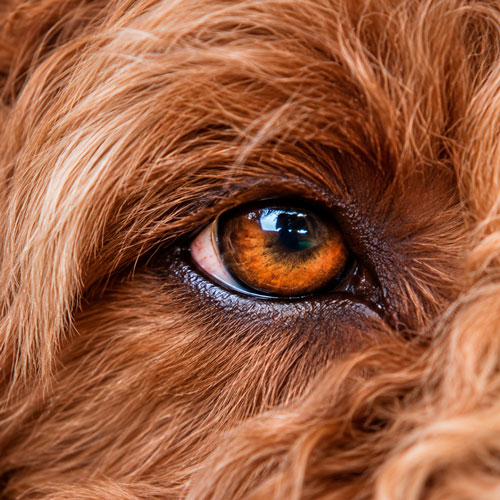
Sight is a very important sense in a dog's life and, although it is not the most developed (smell and hearing take the lead), it is important to take care of our pets' eyes to prevent them from developing diseases. One of the most prevalent health problems affecting dogs' eyesight is cataracts. This condition gradually damages the tissue of the crystalline lens, the inner lens of the eye that allows vision and, as a result, becomes less transparent. As the lens becomes increasingly opaque, the dog's vision becomes blurred and even double, and if not treated in time, it can develop into total blindness. It is therefore essential to treat cataracts in dogs, otherwise serious eye diseases such as glaucoma (damage to the optic nerve), retinal detachment or uveitis (inflammation of the eye) may develop. Let's look at how to prevent, detect and treat cataracts in dogs.
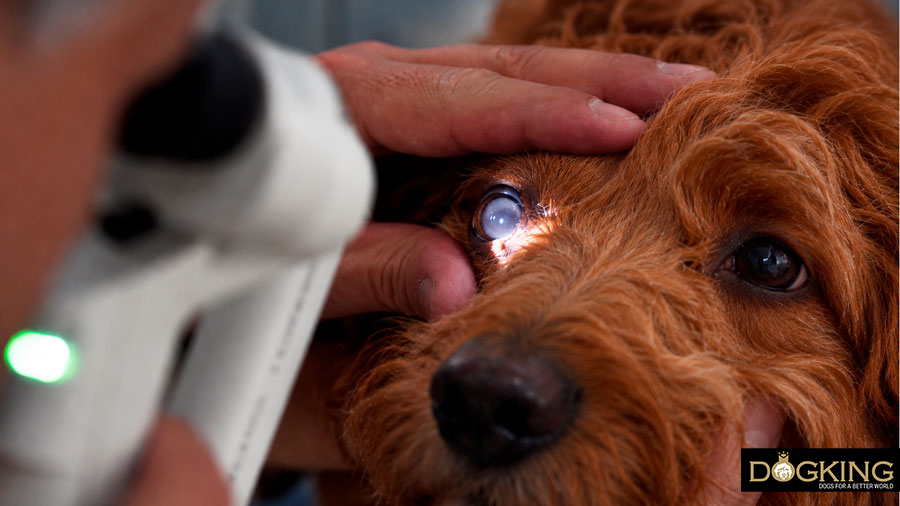
Table of contents
1. Why do cataracts appear in dogs?
2. What are the symptoms of cataracts in dogs?
3. Can cataracts in dogs be cured?
4. Can cataracts in dogs be treated without surgery?
Why do cataracts appear in dogs?
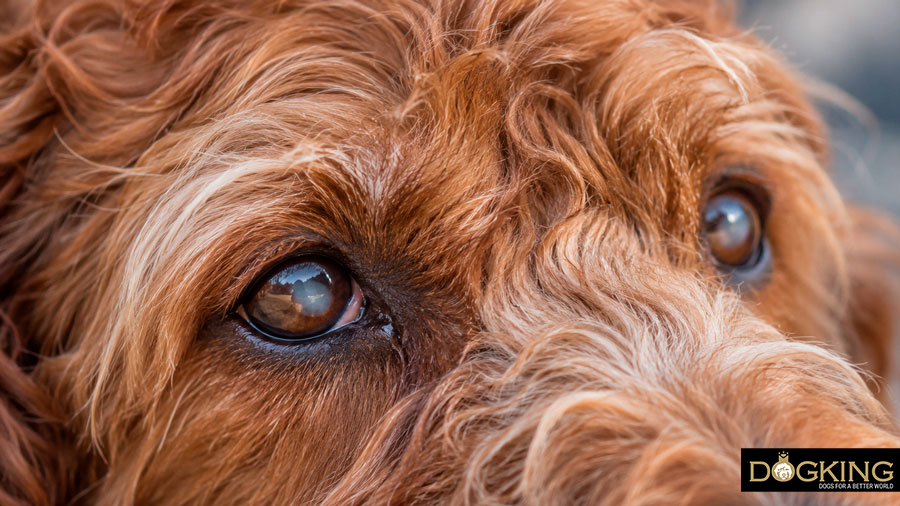
There are several reasons why a dog may develop cataracts in one or both eyes. They can be due to deterioration as part of the natural ageing process, but also due to accidents and other diseases. In addition, there are some dogs that are more prone to cataracts. These are the main reasons why dogs suffer from this eye condition.
- Ageing: Dogs from the age of 8 years onwards are more likely to suffer from lens wear that progressively causes cataracts. In this case we are talking about sclerosis, which is a mild age-related cataract.
- Trauma: blows and injuries to the eye are very delicate. If the crystalline lens is damaged, it could cause a cataract.
- Inflammation of the eye: either due to a virus or allergies.
- Diabetes: this disease, for which obesity is a risk factor, can cause cataracts in your dog.
- Heredity: congenital cataracts can appear from birth or puppyhood and usually develop very quickly.
- Breed: some dogs are more prone to cataracts, such as poodles, schnauzers, golden retrievers, Labradors, Pekingese and cocker dogs.
- Other diseases: some ocular pathologies or renal insufficiency can affect the lens and cause cataracts.
What are the symptoms of cataracts in dogs?
Treating cataracts in dogs as soon as possible is vital to prevent them from progressing to serious stages in which the animal has serious difficulties in seeing. In many cases, such as age-related cataracts, the degenerative process is usually slow, although it is always easier to tackle the problem at an early stage, so even in these cases early diagnosis is key. In other types of cataracts, such as congenital or diabetic cataracts, the progression can be very rapid, so we must be very attentive to the symptoms in our furry friend. But what are the signs that indicate that our dog may have a cataract problem?
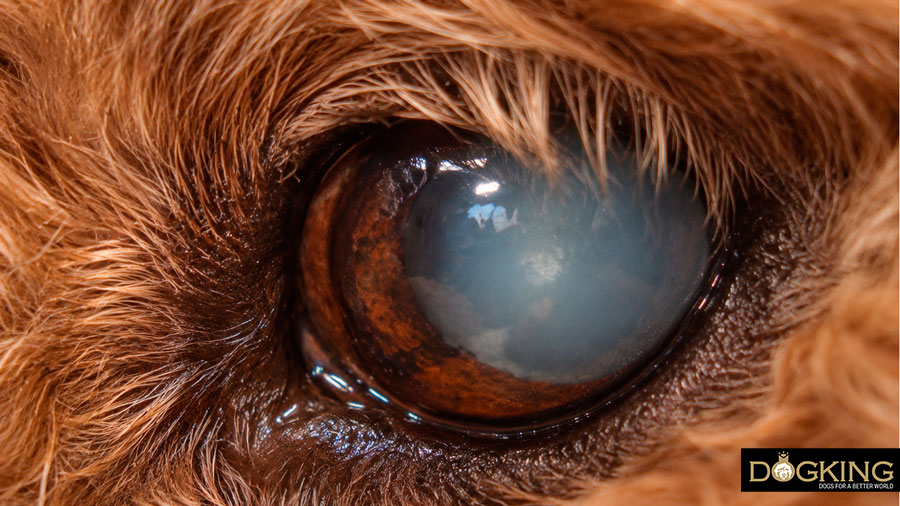
- Bluish-white pupil: one of the first and clearest symptoms can be seen in the appearance of our pet's eyes.
- Loss of vision: dogs rely mainly on their sense of smell and hearing, so it may take you a while to notice the symptoms of deterioration in your dog's eyesight. As the disease progresses and their lenses become more opaque, you'll notice that they bump into unfamiliar obstacles, can't see far away, and find it harder to distinguish objects and people in low light.
- Excessive scratching: If you notice that your dog scratches their eye a lot, in addition to the problem that is causing these symptoms, there could be a cataract as a result of trauma. It is worth having a check-up to ensure that their eyes are not damaged.
- Drinking too much water: if your dog starts drinking a lot of water from one day to the next, and consequently peeing a lot, it could be diabetes, a disease that can cause cataracts.
Can cataracts in dogs be cured?
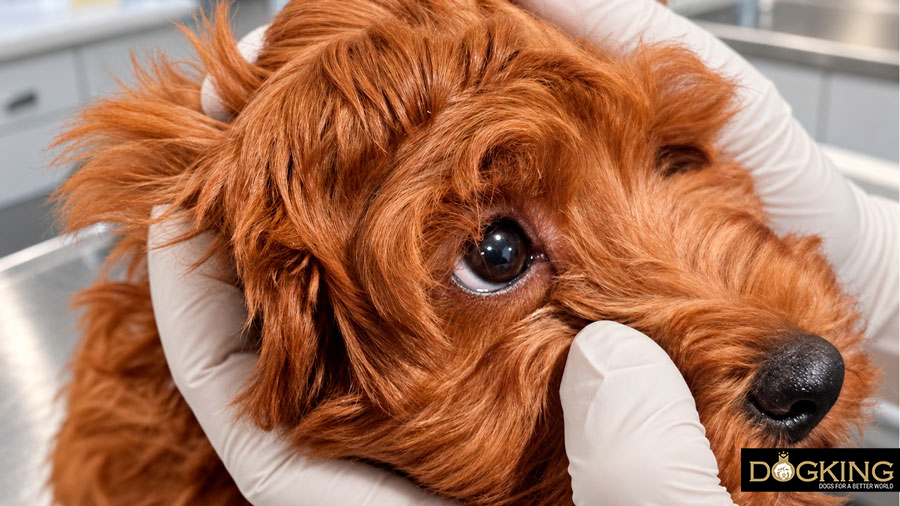
Once cataracts in dogs start to form, there is no way to stop the process. Depending on the genetic load, the type of cataract, its location and many other factors, the progression of the disease will be more or less rapid, but in any case irreversible. However, it is possible to cure your dog's cataracts through surgery, as long as the dog's health conditions allow it. The first step is to take your dog to the vet if you detect any of the symptoms described above. The professional will carry out diagnostic tests such as an ocular ultrasound, electroretinography or blood tests. If cataracts are confirmed, and whenever possible, an operation can be performed. This surgery is very minimally invasive, as it is ambulatory and the anaesthesia, although general, is combined with local anaesthesia, so it is not very aggressive.
In this operation, the dog's damaged lens is replaced by a new lens that performs its function. Recovery is fairly quick, although it requires a certain amount of rest, topical and oral medication for the first few days and the use of an Elizabethan collar to prevent the dog from scratching their eye with their paws. Postoperative progression is very favourable in most cases, and dogs recover almost perfect vision in a short time.
Can cataracts in dogs be treated without surgery?
In most cases, cataracts in dogs are cured by a simple operation that can be performed regardless of the severity of the cataract. In the event that surgery is not recommended due to the dog's health conditions, there are less invasive treatments that can slow the progression of cataracts, but not cure them. In all cases, early diagnosis makes treatment much easier, the main objective always being to prevent the dog's vision loss so that this problem interferes as little as possible with their life.
However, if your dog's eyesight is compromised, with partial or total vision loss, it does not mean that they cannot enjoy a full and happy life. Consult your vet for advice on how to adapt your home, walks, play and your dog's other routines to help them enjoy a calm and fulfilling lifestyle despite their vision problems. And you know, if there are any changes in your pet's eyes, don't let it go! Take them in for a quick diagnosis - taking care of your furry friend's eyes is very important!