Does your dog have diarrhoea? When to worry
Types of diarrhoea in dogs, causes and how to treat it
ACUTE DIARRHOEA IN DOGS
Approximate reading time: 7 minutes
Almost all of us who have a dog in our lives have had to deal with an episode of canine diarrhoea at some time or another. This intestinal problem is relatively common in these animals and can have a number of different causes. There are two types of diarrhoea according to their duration: acute diarrhoea, which lasts less than three weeks, and chronic diarrhoea, which lasts longer than three weeks. Acute diarrhoea is the most common type of diarrhoea in dogs and is usually caused by ingestion of a new food or an intoxication or intolerance, although it can also be due to other problems.
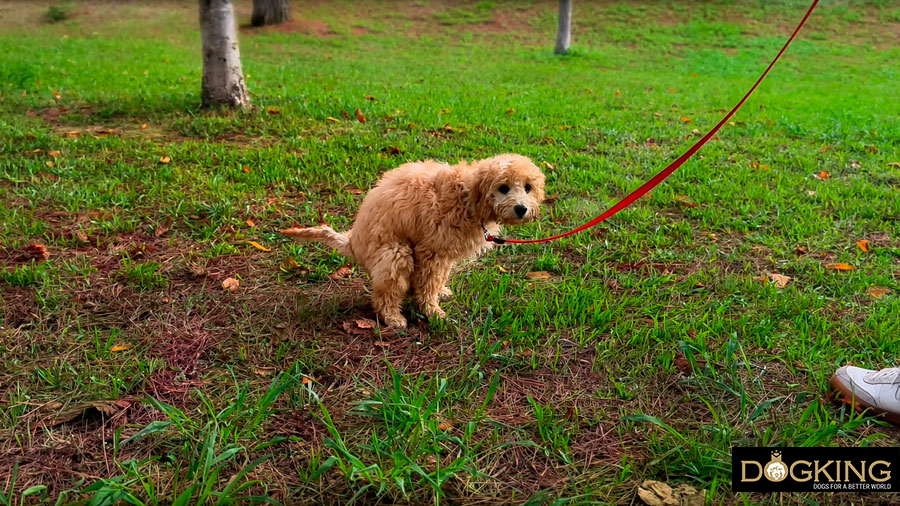
If you notice that your dog is suffering from acute diarrhoea, the most important thing is to look closely at the frequency, colour and size of the stools to identify whether it is mild diarrhoea that can be treated at home, or whether it is more serious and needs to be referred to a vet. There are three types of diarrhoea:
- Diarrhoea with vomiting or gastroenteritis, which should be treated by a veterinarian.
- Diarrhoea of the small intestine or enteritis, which causes a lot of symptoms in the dog, with reduced appetite and weight loss if it is prolonged over time. The faeces may be black due to the presence of digested blood.
- Large intestinal diarrhoea or colitis, which does not create as many symptoms. The dog has an increased appetite, although it is more difficult to relieve themself and the poo may have fresh (red) blood or mucus.
Table of contents
1. Why does my dog have diarrhoea?
2. What should I do if my dog has diarrhoea?
3. When is diarrhoea dangerous for a dog?
Why does my dog have diarrhoea?
Diarrhoea is a common intestinal condition in dogs. Its origin is usually related to the ingestion of something unsuitable for the animal's body, which causes this reaction of their digestive system. However, there are other causes of this problem. These are some of the causes of diarrhoea in dogs:
- Food intolerances: such as lactose intolerance, food protein intolerance, gluten intolerance or any other food that does not agree with them.
- Intoxication: due to the ingestion of spoiled food, toxic plants, chemical products (such as detergents or perfumes) or human foods that are not good for them, such as chocolate, onions, garlic or grapes.
- Change of food: if our dog always eats the same food and we suddenly change to another food, their body will react because they will not be used to this new composition. The best thing to do is to make the change gradually.
- Ingestion of foreign bodies: they can get stuck in the digestive tract.
- Parasites: such as canine giardia, coccidia, intestinal worms.
- Viral or bacterial infections.
- Internal organ diseases: such as kidney, liver or pancreas or other pathologies such as distemper or parvovirus.
What should I do if my dog has diarrhoea?
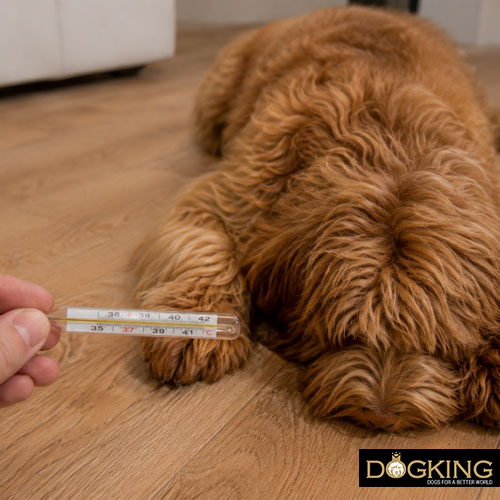
How you deal with an episode of acute diarrhoea will depend on the symptoms and severity of the condition. It is therefore very important that you keep a close eye on them (much more than usual) on these days. Observe their general condition and take their temperature to rule out fever or hypothermia. A dog's normal temperature is 38 to 39 degrees Celsius.
If your dog continues to tolerate food and has an appetite, switch them to a soft diet based on pumpkin and white fish for as long as the discomfort lasts. Pumpkin helps regulate the digestive process due to its easily digestible fibre content and will relieve your dog's diarrhoea symptoms. When your dog gets better little by little you introduce them to their usual food, if they were eating natural food you mix it little by little with the pumpkin. If their diet is ultra-processed food such as feed, do not mix it, start to introduce the feed in the evening so that the food is not mixed, as the digestive processes are different and this would generate new discomfort for our furry friend.
However, if your pet is not hungry, refuses the food and has very severe symptoms, consult your vet. Your vet may advise you to add electrolytes to the water, as during diarrhoea, dogs lose a lot of minerals and sometimes need a boost.
When is diarrhoea dangerous for a dog?
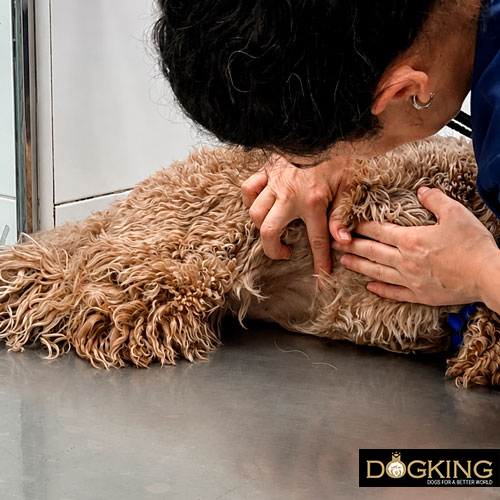
Most diarrhoea in dogs is acute, lasting a few days. In these cases, if the symptoms are mild and your dog is still lively and gradually recovers their appetite, you can treat them at home with the advice we have given you, always keeping a close eye on your dog in case they get worse and giving them lots of love and care in the process.
However, there are some signs that may indicate that the diarrhoea is getting worse or that there is a bigger problem behind it. If your pet exhibits any of these symptoms, take them to the vet for tests and treatment:
- Very frequent stools.
- Diarrhoea lasting more than 24 hours.
- Large amount of blood in the faeces.
- Vomiting with or without blood.
- General deterioration of the dog's condition.
- If you think they have swallowed something that is obstructing their digestive tract.
- If you think they have been poisoned by eating something they should not have eaten.
- Low or high temperature.
- They are not drinking water and have no appetite.
For any of these signs, the best thing to do is to visit a specialist to analyse your dog's situation. In some cases, intravenous fluids may be necessary if they have become dehydrated with diarrhoea, or probiotics may be prescribed to help regenerate their intestinal flora. Whatever the case, it's best to act in time to protect your furry friend's health and wellbeing.