Does your dog chase their tail?
Discover what is really behind this behaviour and how it can affect your wellbeing.
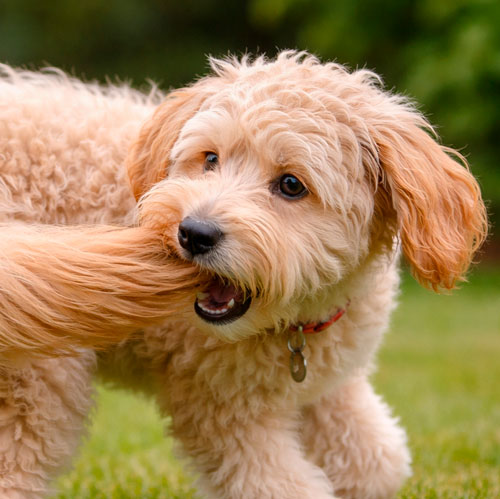
IT'S NOT A GAME, IT'S A SIGN
Approximate reading time: 9 minutes
This seemingly harmless behaviour is often amusing out of ignorance, but it can hide a behavioural disorder in your dog and even physical problems.
On more than one occasion you have probably discovered your dog trying to catch its tail, unsuccessfully of course. This behaviour, in which the animal goes round and round to chase their tail, can be fun to watch and sometimes we even reward this behaviour with our joy and laughter. In this article we want to explain why it is a mistake to encourage this situation and what is really behind a dog chasing their own tail.
Table of contents
1. Why does my dog chase their tail?
2. What is compulsive dog disorder?
3. How do I know if my dog suffers from canine compulsive disorder?
4. What to do if my dog chases their tail?
Why does my dog chase their tail?
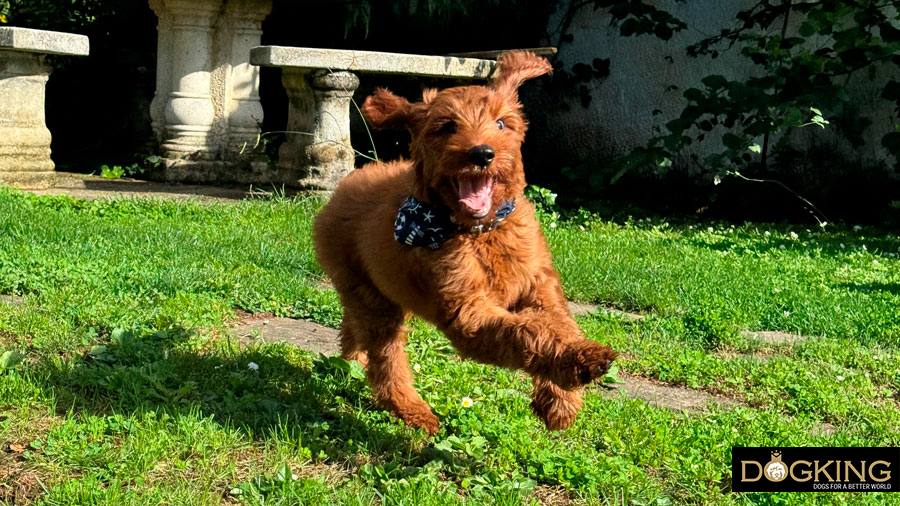
There are several reasons why a dog ‘plays’ at chasing their tail. In some cases, especially during puppyhood, it is purely for fun. The puppy sees something wagging at the end of their body and is attracted to them trying to ‘chase’ it. This is especially true for puppies that have been separated from their litter too early. Isolation can lead to this way of having fun on their own.
There are also other breeds of dog that are naturally more prone to chasing their tails, such as the German Shepherd or the Bull Terrier. However, there are other rather more worrying reasons that could explain why our dog chases their tail, especially if the behaviour persists into adulthood and is repeated frequently.
Anxiety. A nervous, agitated and stressed dog may exhibit this type of behaviour. It is advisable to check our pet's environment to ensure that their rest needs are met, to socialise them correctly from puppyhood and to learn to manage stressful situations through gradual exposure.
Boredom. If our pet is not sufficiently stimulated, they may become bored and listless, chasing their tail in an attempt to entertain themself in some way. As those responsible for our dog's happiness and well-being, we must provide them with an interesting life, full of challenges and stimuli to keep them motivated.
Physical problems. Your dog may be reaching for their tail if they feel any discomfort in this part of their body. Injuries, bites or skin conditions could be some of the causes.
Hunting instinct. Although dogs are predators by nature and have a strong hunting instinct, it is not healthy for them to develop it in relation to one part of their body. This behaviour is indicative of an anxious dog that does not have a good mental nor physical balance.
What is compulsive dog disorder?

One of the most worrying causes that could be causing your dog to chase their tail is a type of OCD called Canine Compulsive Disorder. Like obsessive compulsive disorders in humans, they work through the reward mechanism. Just as we people can reduce our stress by frantically wagging a leg or twirling a pen in our hand, our dog can cope with their anxiety in the same way by trying to chase their tail.
By performing these movements, the dog feels a reward that activates their sense of relaxation, so behind this type of canine OCD lies, as we saw earlier, a high level of anxiety. This could be due to lack of activity, boredom or other factors.
How do I know if my dog suffers from canine compulsive disorder?

As we have already explained, there are certain benign causes that can explain why your dog chases their tail, but given that other reasons could indicate a health problem in your pet, it is essential to consult a specialist as soon as possible.
If, in addition to chasing their tail, your dog performs other repetitive actions such as chasing shadows, scratching compulsively, walking aimlessly from one side to the other or barking non-stop, consult your vet, as this could be a case of canine OCD.
In many cases, this behaviour is a sign of very serious problems in our pets, so the best thing to do is to find a solution as soon as possible, ensuring the well-being and peace of mind of our dog.
What to do if my dog chases their tail?
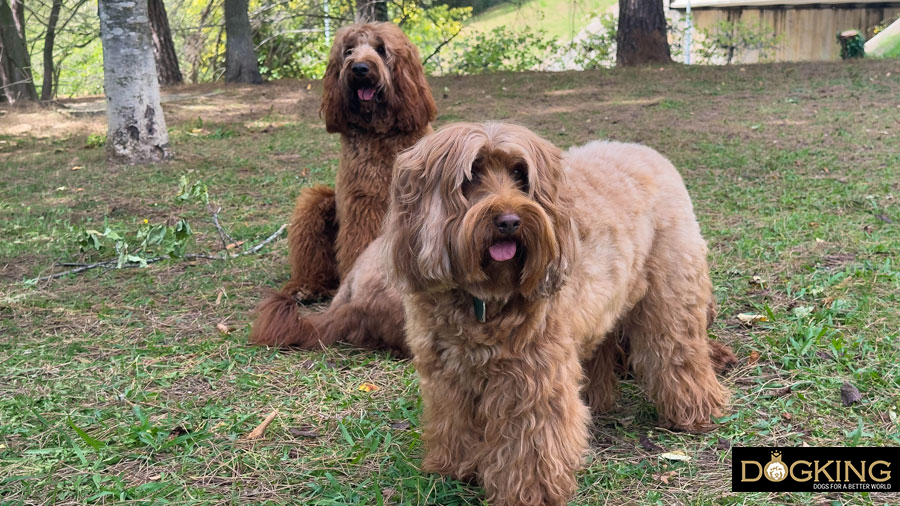
The first thing to know is that, however funny it may seem at first, the fact that a dog chases their tail is no joke. In fact, it is a situation that we should never encourage, as we don't know what the real problem might be. Here are some tricks you can try to avoid this behaviour.
Don't laugh or make any kind of joyful display when you see your dog chasing their tail. If you do, your pet will be reinforced and will do it more to get your attention.
Don't scold your dog, as they don't know they are doing anything wrong and won't understand your reprimand.
Divert their attention. You can try calling them or offering them a toy. This is to gently redirect the focus of their attention, but be careful not to turn it into a reward, as you may cause confusion or over-excite them even more.
Exercise them enough. A dog that is physically active on a daily basis (walks, play, runs) is a happy, calm and relaxed dog that will not need to engage in these stereotypical tail-chasing behaviours. A study by the University of Helsinki shows that dogs that exercise regularly are 53% less likely to develop this type of compulsive disorder.
Avoid loneliness. If your dog has no other companions, spends a lot of time alone and doesn't socialise with other dogs on the street, the other stimuli you provide may not be enough. A dog needs to socialise with other animals and people to stay active and happy.
In short, changing the behaviour of an adult dog can be a difficult task, especially if there are more serious pathologies behind it. If you are having difficulties and need advice, we recommend professional services, such as an ethologist or a trainer.