Ball obsession: How to maintain a balanced game with your dog
Abusing the ball can be addictive for dogs
THE GAME OF FETCH AND THROW
Approximate reading time: 6 minutes
Playing with your dog is fun and very satisfying for them. Through play, dogs learn, expend energy and feel stimulated and happy. However, if we do not approach it in the right way, we could generate in our pet a type of anxious play that, instead of relaxing and amusing them, will be very stressful for them. In this sense, the activity of throwing and fetching the ball can become extremely addictive for the dog if we do not set limits. Abusing this type of repetitive play may be easy for us to tire our pet, but it can lead to a real obsession with their ball, generating anxiety and dissatisfaction during the game and can end up affecting other areas of their life.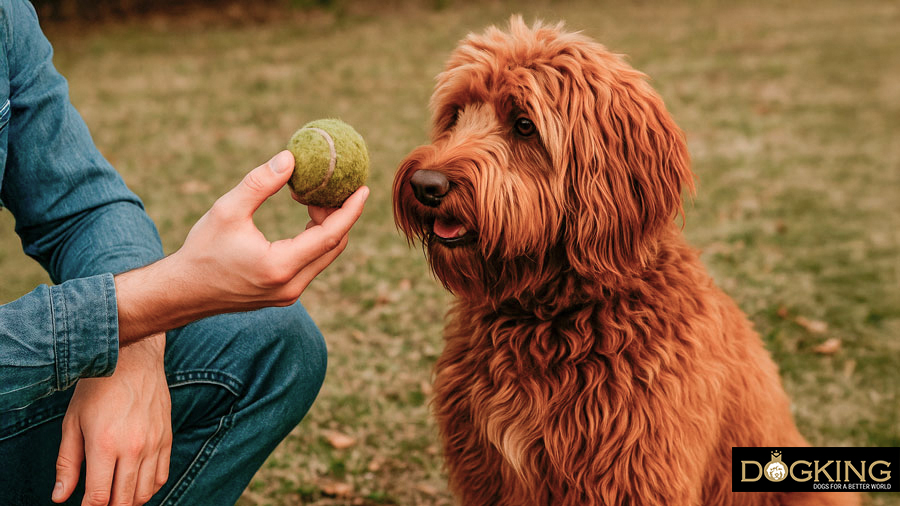
Table of contents
- Is my dog obsessed with his ball?
- How do I stop my dog getting addicted to their ball?
1. Don't throw the ball again and again
2. Don't play until they are exhausted
6. Don't give in to their demands
- Training therapy for ball obsession
Is my dog obsessed with its ball?
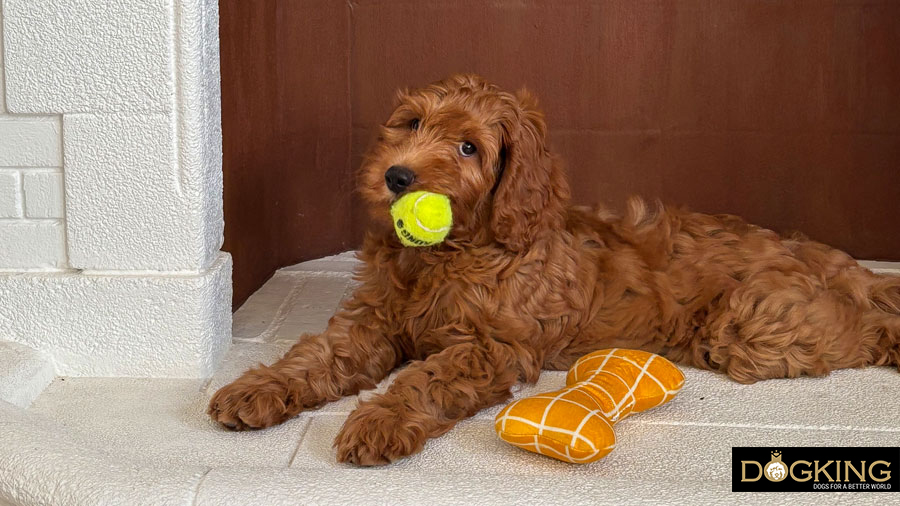
There are various reasons that can explain an obsessive behaviour of a dog towards its ball. Lack of attention and stimulation, or an unconscious reinforcement by the owner, are the most common causes. Some more active dogs may be more vulnerable to this obsession, as well as certain prey breeds which, due to their physiology, may perceive the ball-throwing game as an endless form of hunting — something very stressful for these animals.
If you suspect your dog is obsessed with the ball, observe its behaviour towards it and the game. Some signs that could confirm its addiction are:
- Constantly looks for the ball around the house.
- Doesn’t want to let it go, or growls or barks when you try to take it.
- Hides the ball so you can’t find it.
- Demands play persistently and anxiously.
- Never parts from the ball, always carries it around.
- Gets overly excited during the game.
How can I prevent my dog from becoming addicted to their ball?
The game of throwing the ball is not harmful in itself. However, there are some behaviours on our part that could turn this constant coming and going of your dog to fetch the ball into a real addiction. Keep these tips in mind to prevent your pet from becoming obsessed with their ball, and to help you to overcome an addiction that has already developed.
1. Don’t throw the ball over and over again
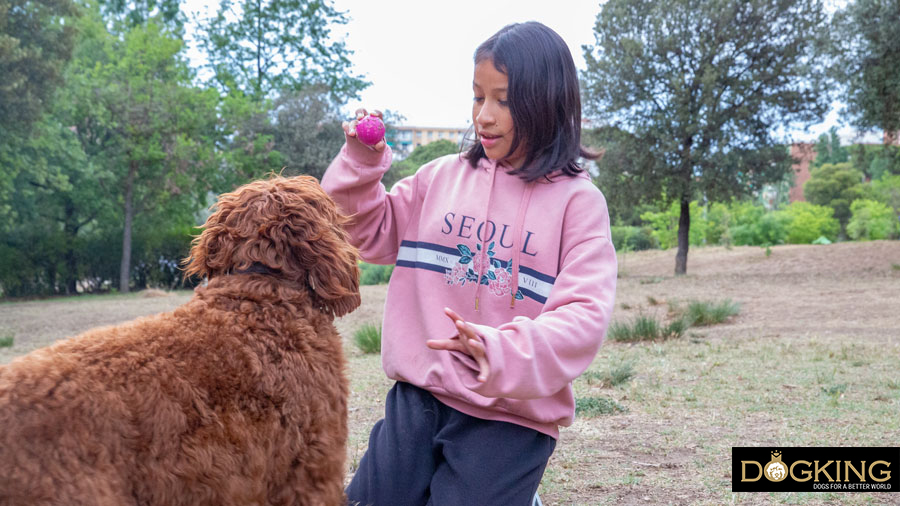
Throwing the ball is one of the easiest and most convenient games from a human point of view. You just have to throw it and wait for your dog to bring it back while you keep doing whatever you are doing. However, if you spend too long subjecting your dog to this repetitive dynamic of throwing and fetching, you will create a loop that increases and reinforces their nervousness. As your dog becomes increasingly restless, they will demand the ball more intensely, and every time you throw it again, you’ll be rewarding that behaviour without realising it. The best recommendation is to play fetch for a short period of time and not every day, but rather as one more alternative among other varied activities.
2. Don’t play until exhaustion
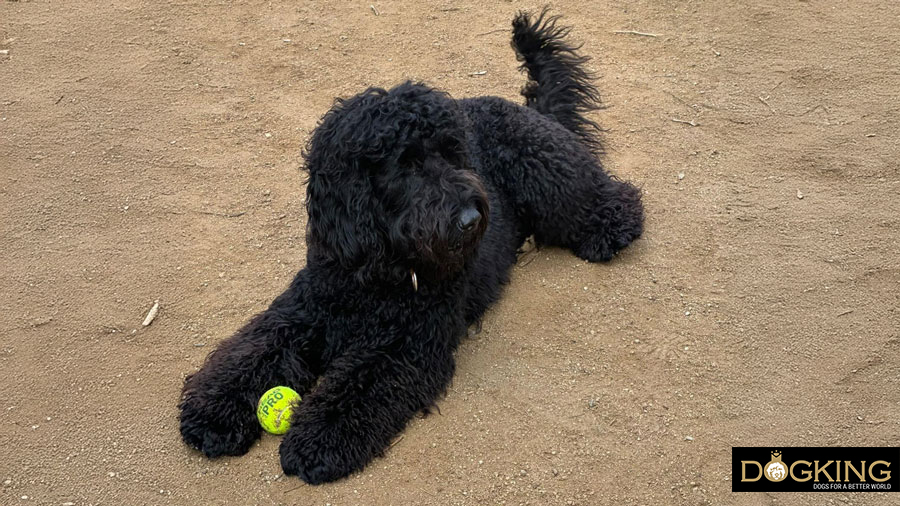
Many people with active dogs or those with a pre-existing anxiety disorder may try to tire them out and “calm them down” through this game, as it requires a lot of physical effort from the animal (and very little from the owner). In this way, they expect that by exhausting their dog with constant ball throwing, the animal will relax and won’t bother them for the rest of the day. This point of view is harmful to the dog, as although you may think they are tireless and always want more, they may actually be acting on an obsessive impulse.
3. Enrich your dog’s life
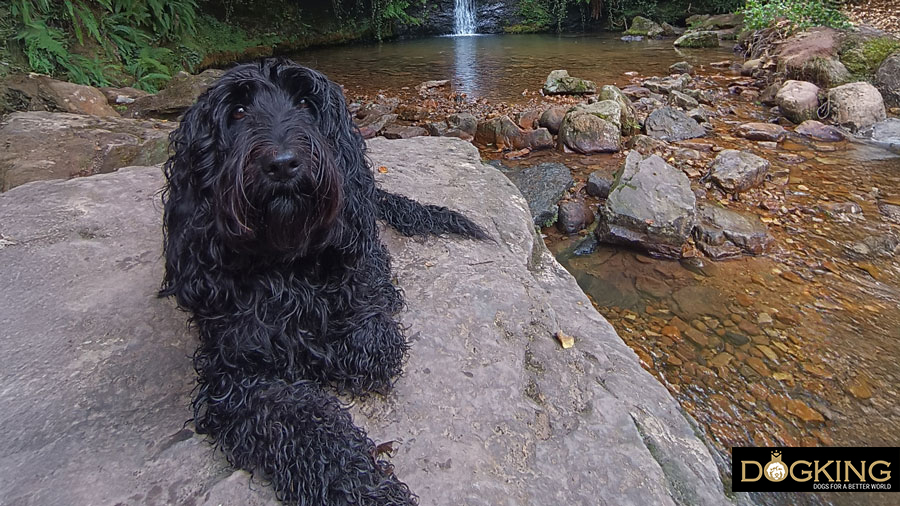
Something that will help prevent your dog from falling into these kinds of obsessive behaviours is to offer them a stimulating and pleasant lifestyle. This means taking them on long walks where they can sniff, spending quality time together and, ultimately, giving them the attention they need. A dog requires an investment of time, effort and affection. If your pet feels stimulated and fulfilled, they are unlikely to become obsessed with the ball — or with anything else.
4. Stimulate their mind
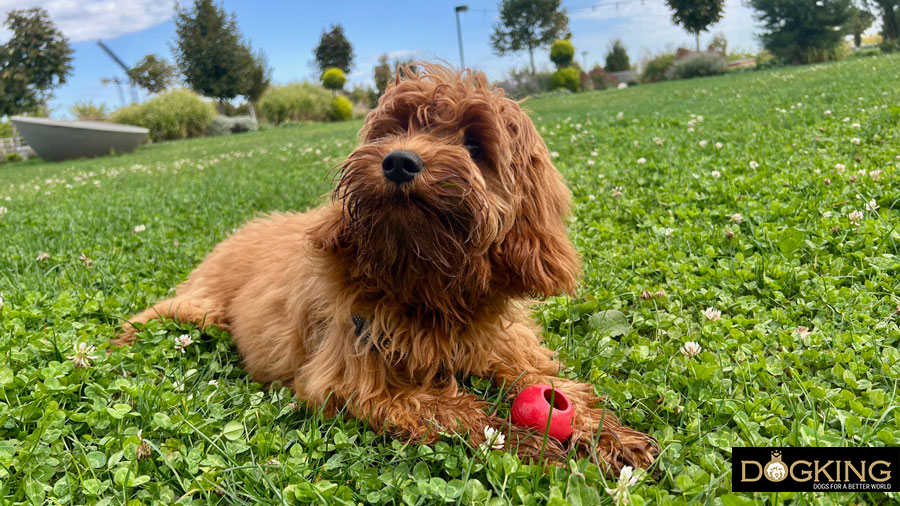
If you think that tiring and entertaining your dog is only about physical exercise, you’re wrong. A short session of a mental game that stimulates them cognitively can be much more enriching and tiring for your pet than physical effort. Your dog’s playtime should be balanced between physical activities and mental or scent-based ones, as all breeds need time to walk and sniff — especially working and hunting breeds, which have a more developed sense of smell and a strong need to exercise it to release energy and stress. Many people think the only way to tire a dog out is to throw the ball, but it should simply be one more activity in the time you spend with them every day.
To prevent your dog from becoming addicted to their ball, try using it more creatively. Instead of always throwing it, try hiding it so they can follow its trail. You can also have different types — some are hollow so you can put treats inside for them to retrieve. Scent training is very entertaining and beneficial for dogs, and it also helps them relax a lot. Give it a try!
5. Create a play routine
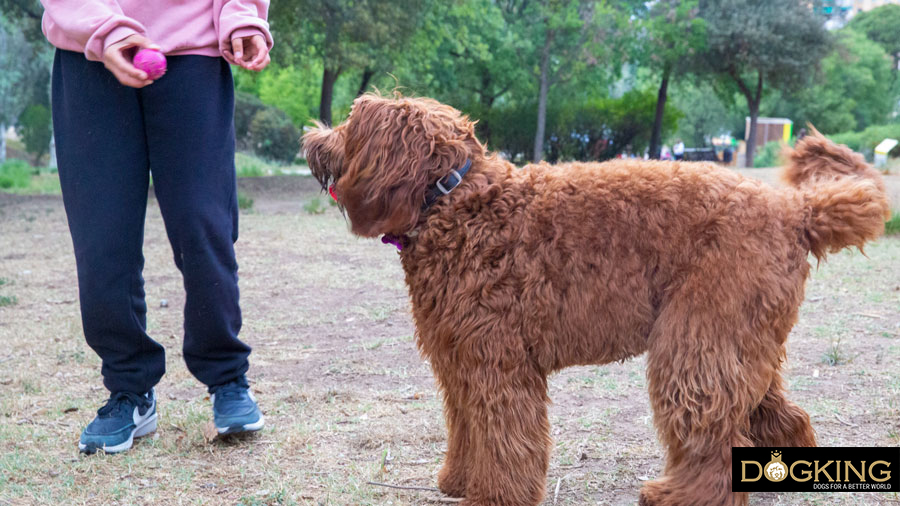
To prevent your dog from becoming obsessed with the ball, we recommend establishing a play routine. Dogs are always observing our behaviour to identify patterns and predict our actions. If you perform the same ritual before playing fetch, your pet will eventually understand that this is the moment to enjoy that activity, but won’t demand it for the rest of the day. For example, you can play fetch one day a week when you visit a park you don’t usually go to. Sit on a bench and slowly take the ball out of your bag so your dog can see it. Repeat this routine each time to reinforce the learning. It also helps to create a specific cue (a word and/or gesture) to indicate when playtime is over.
6. Don’t give in to their demands
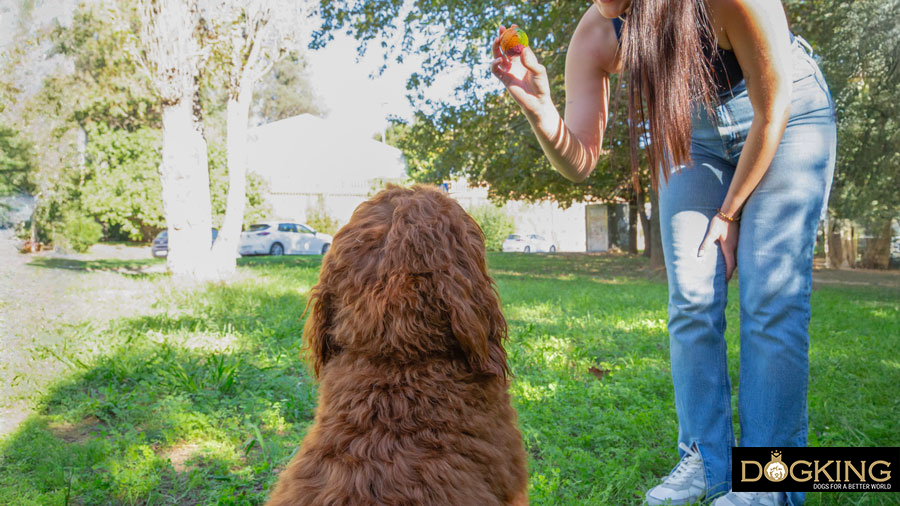
No matter how anxious or desperate your dog gets to play with the ball, don’t give in to their demands and don’t start playing until they are calm and have forgotten about it. Otherwise, you’ll be reinforcing this behaviour and making the problem worse. Any behaviour that isn’t reinforced will eventually disappear, so even if it’s hard at first, stay firm — if you don’t give your dog the ball when they demand it anxiously, they’ll eventually overcome their obsession.
Tip for playing fetch correctly:
Encourage self-control: every time they bring the ball back, they must drop it before the game continues.
Ask them to sit and stay still before you throw it again, instead of throwing it when they bark or insist in an agitated way that the game continues. This way, you’ll be promoting their self-control and obedience while also playing with them.
7. Remove the ball game
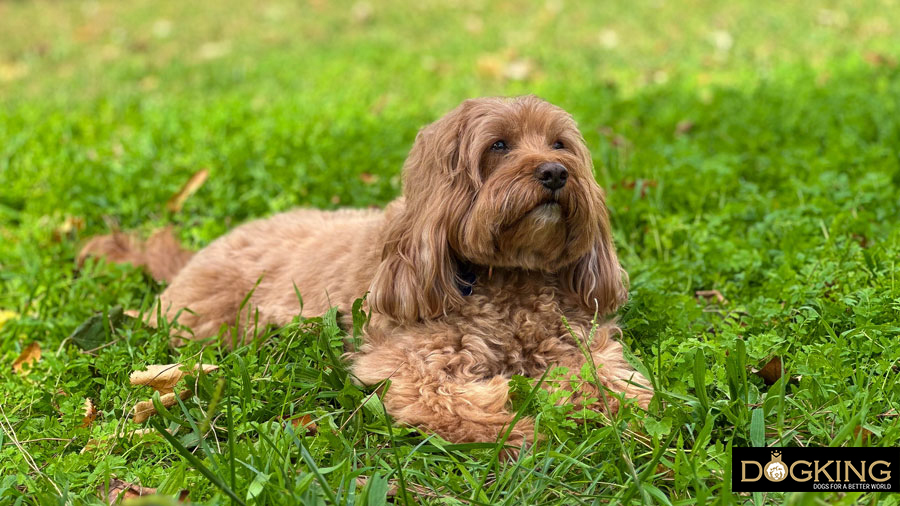
If your dog has a very strong addiction to their ball, you may need to remove this game from their life. Don’t see it as a punishment or suffering — it’s quite the opposite. By eliminating the source of their anxiety, you’ll help them enjoy a more balanced and happy life. You can replace the ball game with other activities they enjoy, such as interactive toys, agility games or scent games. Make sure that during the first few days after removing the ball, your dog doesn’t get bored and receives enough attention from you. In some cases, you may be able to reintroduce the ball later, after a couple of months, following the previous advice to prevent your furry friend from falling back into obsession. If you do, reintroduce the ball gradually and remove it again if you notice anxious behaviour returning.
Training therapy for ball obsession
When it comes to ball obsession, there are easier and more serious cases. If you notice that your dog is very nervous about play in general, we recommend that you consult an educator or ethologist to help you deal with this dependency problem. In addition, it is crucial that you do not encourage your dog's anxiety in any way. This means that you should not react if they approache you anxious or overly anxious. Offer your attention and affection only at times when they are calm to reinforce this behaviour. This is the best way to ensure a balanced and healthy life for your pet on all levels.