Everything you need to know about fungus in dogs
How to tell if your furry friend is suffering from fungus and what to do to help
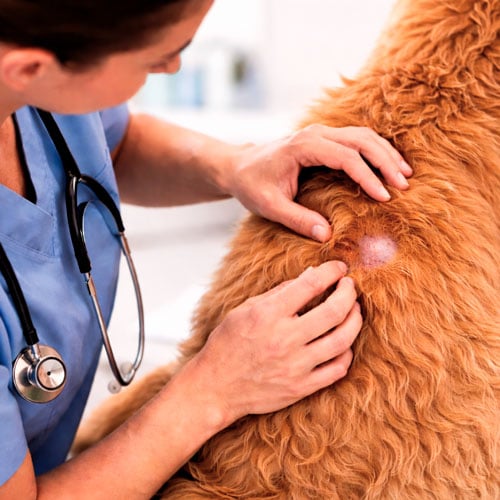
FUNGUS IN DOGS: A HIGHLY CONTAGIOUS SKIN CONDITION
Approximate reading time: 8 minutes
With the arrival of high temperatures, parasites begin their reproduction cycle, proliferating and becoming a threat to the health of our pets. One of these opportunistic organisms are fungi, which affect dogs through their skin and fur. Fungi in dogs cause skin conditions, as these microscopic bugs colonise and multiply in the superficial layers of their skin very quickly, causing annoying symptoms that can compromise their health.

There are different types of fungi that affect dogs, such as Trichophyton mentagrophytes and Microsporum canis, which cause ringworm disease or dermatophytosis. What they all have in common is that they are easily spread by their spores, which spread beyond the lesion and can be infectious for up to 18 months after initial colonisation. In addition, these fungi are considered a zoonosis, i.e. they are contagious to other species, including humans. This is why getting rid of a fungal infection in your dog can be a challenge if you don't act in time by initiating proper veterinary treatment and thoroughly disinfecting the entire environment to kill the spores.
Table of contents
2. What to do if my dog has fungus
3. How can I prevent my dog from getting fungal infections?
Symptoms of fungus in dogs

First of all, it is important to know that there are several diseases and parasites that cause very similar symptoms in dogs, so if you detect any of the following signs in your pet, you should take him to the vet for a correct diagnosis. In some dogs, the fungal infection does not cause itching and excessive scratching until the infection is widespread. Here are some other symptoms you might see in your dog if he has fungus:
- Alopecia on a specific, usually rounded area of the body.
- Peeling and/or hardening of the skin.
- Inflamed, reddened, strange smelling skin.
- Colour changes may occur in hairless skin.
- Nail lesions.
- In some advanced cases, anxiety and decay.
What to do if my dog has fungus?
If you suspect that your pet is infected by fungus, the first thing to do is to call your vet, who will give you specific guidelines to alleviate the symptoms prior to diagnosis. In the days leading up to the appointment, we recommend that if you bathe your dog, dry it thoroughly, as humidity is a breeding ground for fungal reproduction. When the day comes to visit the vet, they will look at the lesions and, in some cases, it may be necessary to take a sample of the hair, skin or nails to analyse what type of fungus the animal has. As treatment, it is usual to prescribe antifungal ointments to be applied directly to the lesions if it is very serious, antifungals are also given orally, corticoids if it is very itchy and chlorhexidine-based shampoos.
If your dog has had fungus, it is vital that you thoroughly disinfect the whole house, as well as the objects they use regularly (toys, blankets, food bowl...). Bear in mind that fungus is not only transmitted by direct contact, but also by sharing items that have been near the infected animal. It is therefore a good idea to reinforce cleaning with a fungicide product, which should be applied to all the places frequented by the dog and their favourite objects. This will prevent reinfection and relapses.
How can I prevent my dog from becoming infected with fungus?
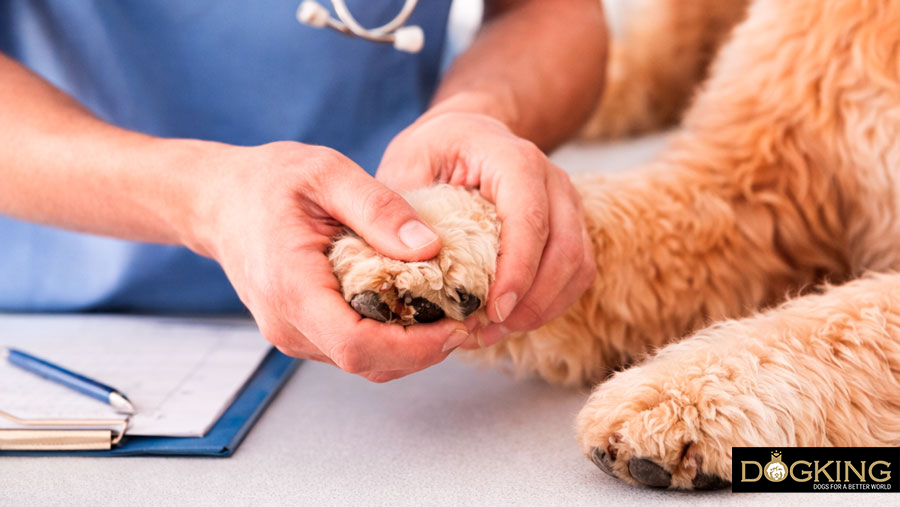
As we have already seen, both the fungi that cause ringworm and other types of fungi are easily spread by spores. That's why, if you want to keep your furry friend protected, you'll need to keep them away from infected dogs. This is not always easy to know, but if you are suspicious, it is always better to be safe than sorry.
In general, dogs with strong immune systems are less likely to get fungal and other infections, with puppies and senior dogs being the most vulnerable to these conditions. A good way to ensure that your furry friend doesn't have to deal with these nasty inhabitants is to provide them with a quality diet and a healthy, balanced lifestyle. If your dog is prone to fungal or other infections, you can discuss with your vet the use of probiotics to boost their immune system and prevent infection.
In short, if your dog's skin is affected by fungi, causing flaking, hair loss, redness and itching, take extreme precautions, as they are highly contagious and transmissible to humans. If you suspect that your dog has fungus, go to the vet to diagnose it and give them the most appropriate treatment so that they feel better as soon as possible. A fungal infection in dogs usually resolves easily with the right medicines, but it is best to act quickly, as some infections can be persistent, especially as these parasites are easily spread. Remember to always keep an eye on your dog's health and seek veterinary attention for any abnormal signs.