How to get a dog used to brushing
Regular brushing is vital for your pet's hygiene and health.
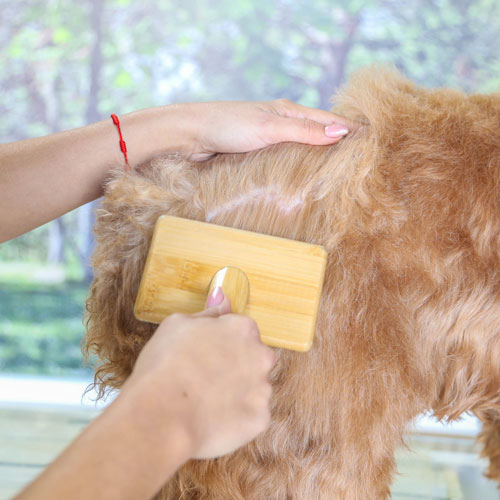
THE IMPORTANCE OF BRUSHING IN DOGS
Estimated reading time: 8 minutes
If your dog enjoys a good brushing, you probably already know that the moment you take the comb out of the drawer is their favourite moment of the day. For many furry dogs, this hygiene ritual - a basic part of your dog's grooming routine - is a real treat. For many others, however, it is a torment, and they become uncomfortable, fearful or tense during brushing. In these cases, it is vital to change our pet's feelings so that they really enjoy brushing, as this habit is extremely important for the health of their skin and hygiene.
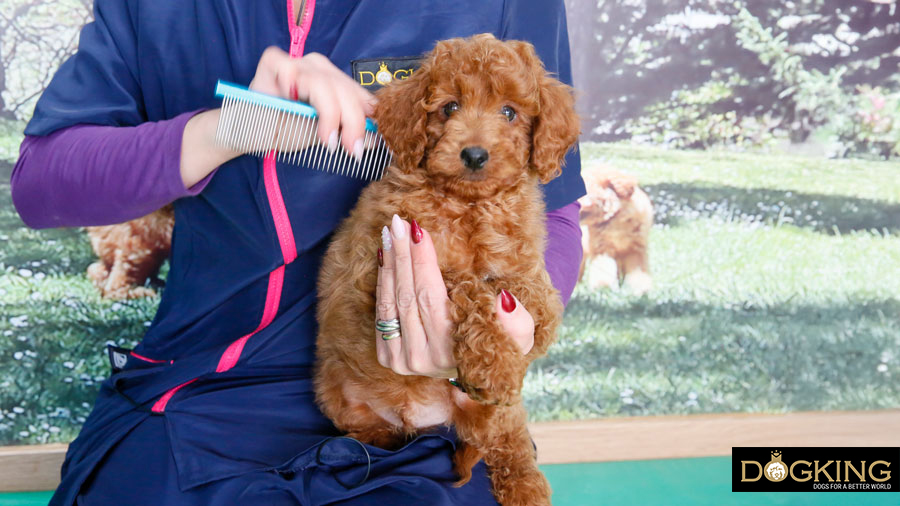
By brushing your dog properly and regularly, you will be able to keep their coat clean, eliminating dirt or stuck plants, such as burrs and detecting possible parasites, wounds or other lesions. And if you make the brushing experience a positive one for your furry friend, you'll turn this routine into a relaxing and pleasurable moment that will strengthen your bond even more.
Table of contents
1. What to do if my dog won't let me brush them?
- Get your puppy used to the handling
- Let them browse
- Start very gently
- Find a quiet place
- Use the right technique
- Quality brush
- Reward if well tolerated
What to do if my dog won’t let me brush him?
If your dog gets nervous every time he sees you approaching with the brush in your hand, rejects its contact with his body, or tries to escape during brushing, you need to work with him to transform the negative sensations he associates with this activity into a relaxing and pleasant moment. To avoid reaching this situation in your dog’s adulthood, it is best to start getting him used to it from puppyhood. If brushing is perceived as something positive during the first months of his life, it will not be a problem when he grows up. Below we give you some tips to turn the brushing routine into a pleasant experience for your best friend from puppyhood, although these guidelines also work for helping your adult dog enjoy brushing. However, the process may be a bit slower in the latter case, as there may be a bad experience associated with it.
1. Get your puppy used to handling
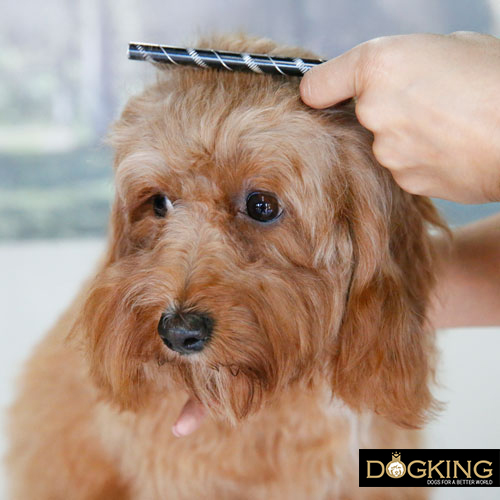
Before placing the brush on your puppy’s delicate skin, think that this is a new and confusing experience for him, so first it is essential to get him used to being touched all over his body, including the areas he doesn’t like as much. You should do this very gently and carefully, respecting his signals and transmitting calm so that he learns to tolerate this kind of handling. Only when your puppy accepts being petted and remains calm while you handle him can you start using the brush gradually.
2. Let him explore
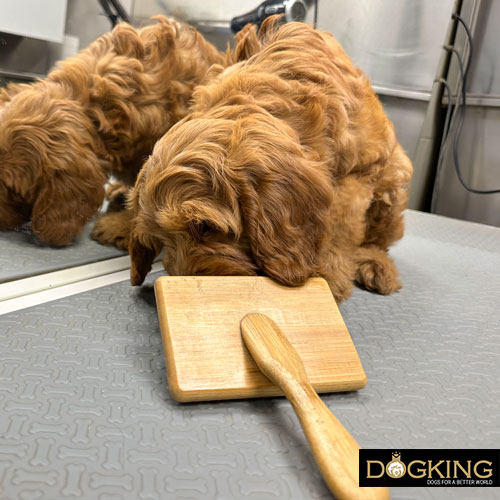
No matter how old your dog is, if he is not used to brushing, it’s natural for him to be curious about the brush or comb you are going to use, especially if he’s a puppy. The best thing is to show him the tool before you start, allowing him to smell it. At that moment, you can reinforce the positive experience by petting him or giving him a few treats. Let him satisfy his curiosity for as long as he needs the first few times, but make sure he doesn’t take the brush as a toy, as it will make brushing more difficult later, especially when he is older.
3. Start very gently
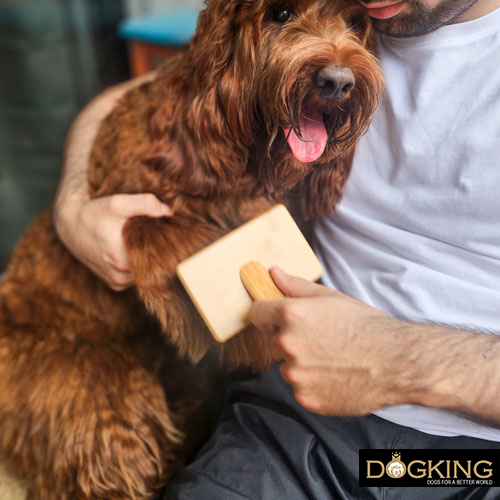
To prevent your dog from associating brushing with something unpleasant, it is very important that the first contacts of the brush with his fur are very gentle. Make the initial movements carefully and only in the “safe” areas where your dog best tolerates touch. In the other sensitive areas, continue to work with your hands before using the brush. Be patient and gentle with your dog, as he will probably want to stop several times to sniff the brush. You can start with brief sessions of just a few seconds and gradually extend them to routines of up to 5 minutes.
4. Find a quiet place
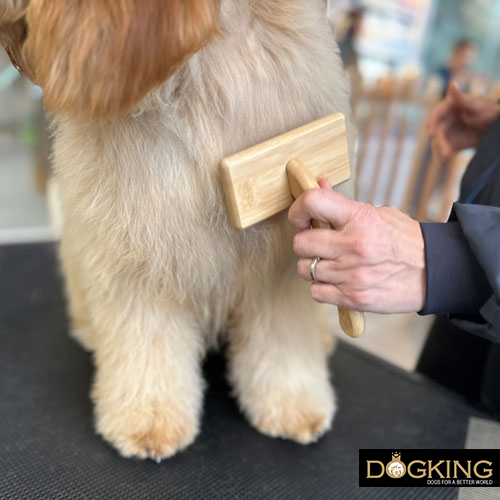
Brushing should not be something improvised that you do anywhere in the house or in any environment. It’s best to choose a quiet place with an elevated surface to place your dog, which will make brushing easier. If he’s a puppy, it’s better to do it on the floor, as at this age he is very active and could fall. Ensure that the experience is positive for your dog at all times — we recommend that you stay relaxed and act calmly and gently. This attitude will be transmitted to your dog, who will be more open to the contact of the brush.
5. Use the right technique
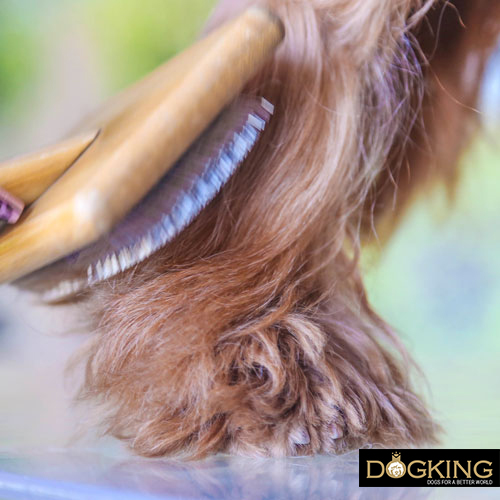
To get your dog used to brushing and make it a positive experience, you must find the proper technique and tools. If you don’t know how to brush your dog, you might pull his fur if it’s long and tangled or scrape his skin, making him feel uncomfortable. Depending on whether your dog has short, medium, or long fur, straight or curly, you will need to use different brushes and techniques. For dogs with medium or long and curly coats, such as the Australian Cobberdog, the ideal is a daily brushing with a suitable slicker brush and a follow-up with a metal comb to detect stubborn knots. If these persist, help loosen them with your hand, using the tip of the comb to open them outwards. In these cases, we do not recommend using rakes or harsh brushes, as they can break the dog’s hair. It’s also very important to brush your dog’s coat while it’s dry before bathing, as after getting wet, it’s normal for more tangles to appear and tighten with water. For puppies, as their hair is finer and shorter, you can work directly with the metal comb.
For short-haired dogs, a simple rubber glove to remove dust and dirt will suffice, as they don’t have tangles. If you have doubts, ask a professional groomer to show you how to do it properly.
6. Quality brush
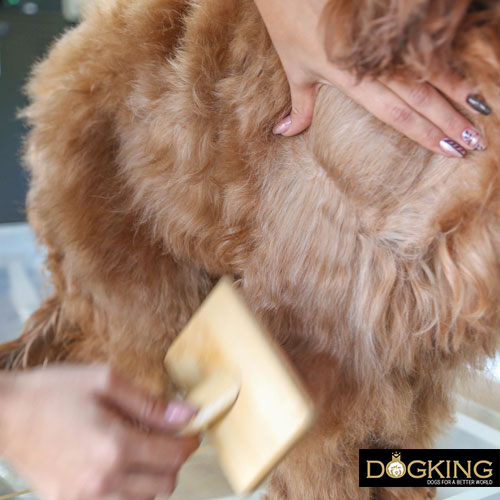
Whether your dog has a lot or little fur, their skin is very sensitive, so you need to use quality brushes and combs that won’t damage it. If you have difficulties because your dog’s hair gets very tangled, there are sprays that help loosen these knots, although it’s not recommended to overuse them, as they can cause irritation. On the other hand, no matter how matted your dog’s hair is, don’t cut it unless you know what you’re doing. If you create a bald patch and then try to fix it, you might end up damaging your dog’s coat. Remember that their hair acts as a protective barrier against all types of external agents, such as sun, cold, heat, or parasites.
7. Reward him if he tolerates it well
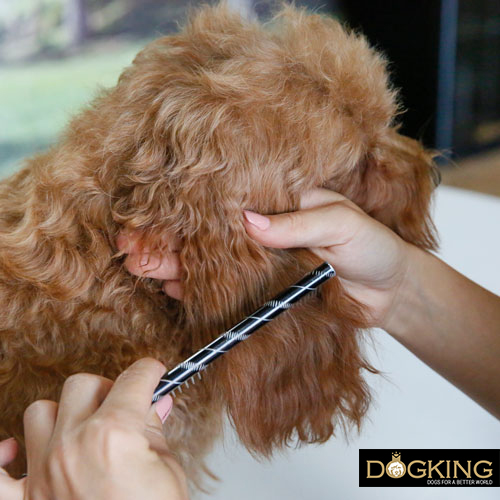
Every time your dog makes a small improvement in tolerating brushing, it’s essential to reward him to practice positive reinforcement. Only then will your furry friend associate this routine with something positive. You can do this with petting, small food treats, or snacks. You can stop the reinforcement once your dog is fully accustomed to brushing and enjoys it, although it never hurts to finish with some petting and words of praise for how well he behaved.
In short, if your dog resists brushing, it is likely due to a lack of habit or socialization during puppyhood, or because he associates it with a negative past experience (pulling, improper brushing, or stressful environments). However, make sure there’s no physical reason for this rejection, such as body pain, irritated skin, or wounds.
Once your dog is fully accustomed to brushing, you can take advantage of this hygiene routine to also check his eyes, ears, and paw pads or give him a pleasant relaxing massage. This way, you’ll turn the moment into a real spa session for your best friend, who will be delighted to share this happy experience with you.