How to teach my dog to come to you
Getting your dog to come to your call is very important.
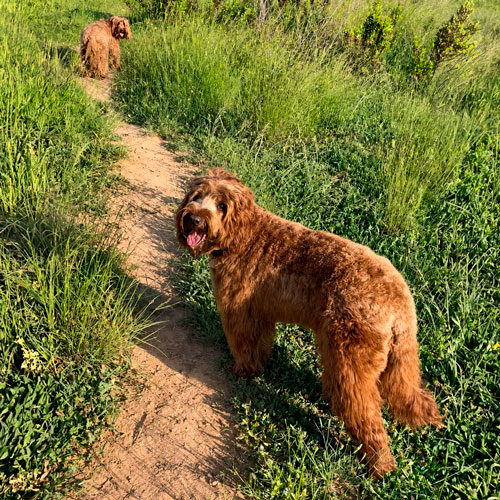
THE IMPORTANCE OF THE CALL SIGNAL
Approximate reading time: 7 minutes
Within the training of our dog, one of the most important signals that we should work on first is the call signal. Together with the sit and stay exercises, getting our dog to come when we call them is fundamental for their education and safety. Training your dog on the call signal will give you greater control over them, stopping unwanted behaviour or removing them from dangerous situations. For example, if they run after a cat, if they come up to greet a stranger too vehemently, or if they try to eat rubbish from a bin. In all these contexts, as long as you have trained the call signal, asking your dog to come with you will be enough to get them back to your side and away from the inconvenient situation.
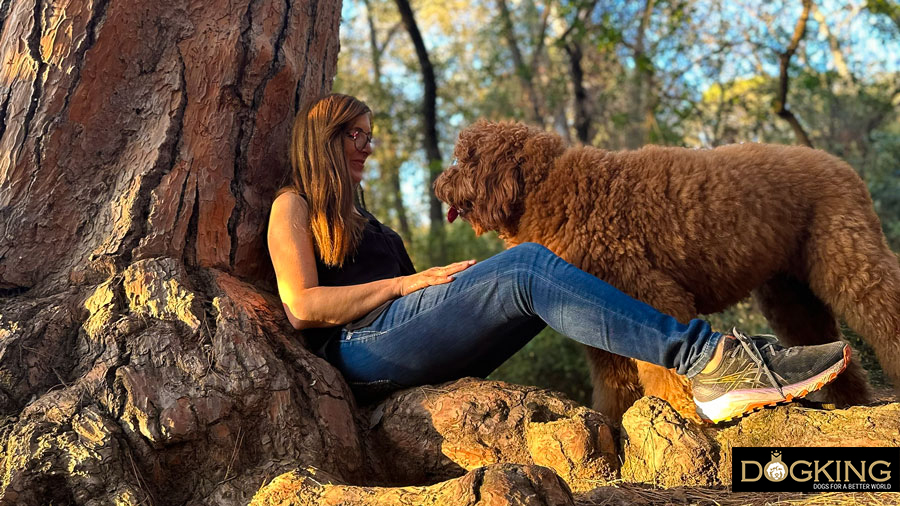
However, getting your dog to listen to you when you call them can be a challenge. The truth is that dogs are very curious animals and explorers of their environment, so, especially outdoors, where they are surrounded by stimuli, it can be difficult to get them to heed and come to their owners' call. The key to success lies, as always, in training, which should be constant and always of progressive difficulty, starting by practising the call in a space without so many distractions, such as inside the house.
Table of contents
1. How to get your dog to come when you call them using a lure
• Show your dog a lure and call them
• Repeat the exercise and increase the distance
• Practice calling in the street
2. What to do if my dog doesn't come to my call?
How to get your dog to come when you call them using a lure
Although some furry dogs are more curious and restless than others, the truth is that most of them enjoy sniffing here and there and exploring the world around them. Just know that if your dog is engaged in something they find very interesting, it won't do any good to call them several times or raise your voice. The trick is to offer them an alternative that is even more attractive to them. To do this, we will work on the call signal with a lure, which can be a snack or a toy that they really like. Let's see how to teach your dog to come when you call them in a few simple steps.
• Show your dog a lure and call them
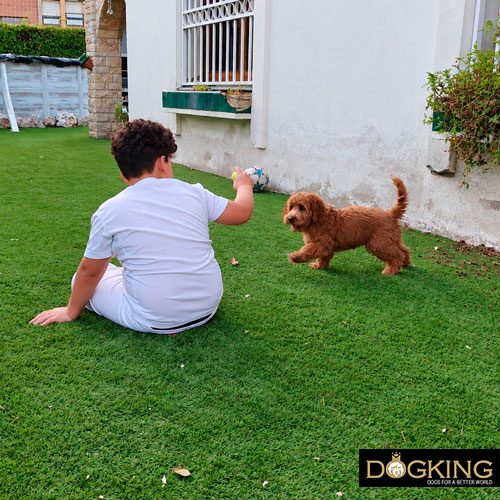
To begin training your dog to come, choose a short, simple call signal, such as ‘come’, ‘here’ or something similar. Stand a small distance away from your pet and say the signal while offering your chosen lure. As the space between you is minimal, it will be very easy for your dog to come to you. When you do, congratulate them with a good cuddle and kind words. They will be very happy and you will also positively reinforce the fact that they have responded to your call.
• Repeat the exercise and increase the distance
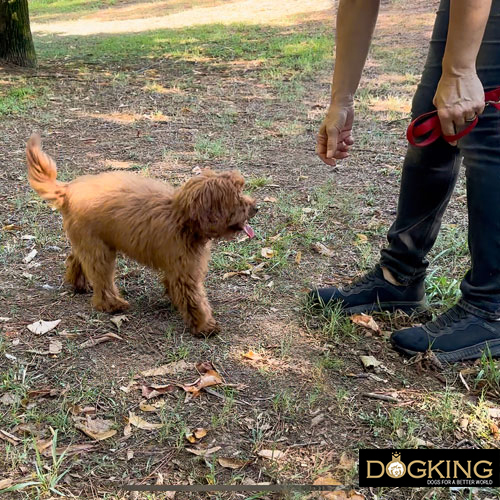
As with any other exercise you try to teach your dog, the key to success is consistency. Do as many repetitions of the previous exercise as your dog needs, until you see that they have internalised it sufficiently. However, avoid exhausting your dog with overly long training sessions. About ten minutes a day of practice should be enough to start with. Gradually, you can increase the distance at which you stand to call your pet. Keep repeating and positively reinforcing to lock in the learning.
• What happens if my dog follows me?
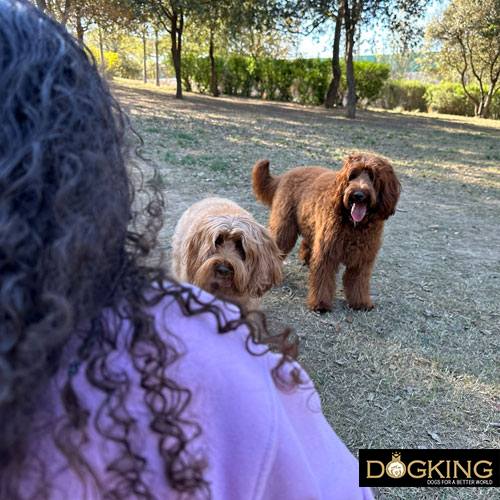
It is possible that between one exercise and another you may see that your dog follows you. To do this, once you have called your dog and they have come to you, ask them to sit and stay still and move quietly away so that you can continue practising the repetitions. The ‘sit’ signal is one of the first signals you should teach your dog, as it will help you in other training sessions to better control and manage their behaviour.
• Practise calling in the street
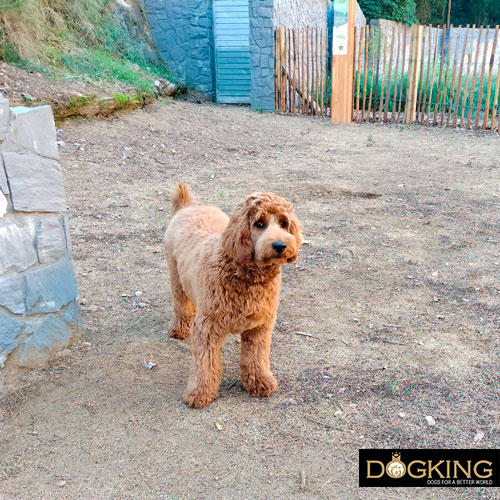
When you see that your dog has fully mastered the call indoors, having practised at different distances, you can move the training outdoors. We recommend starting in quiet places, with few stimuli, such as a quiet street without traffic or many people. The key to successful learning for your dog is always to progress from less difficult to more difficult. If progress is too fast, your pet may have difficulty learning and become frustrated. After some time practising in an area with little movement, you can take them to train in other places with more distractions. As long as you progress slowly, there is no limit to teaching your dog to come to your call in different contexts. Make it harder and harder and, with time and patience, you will get them to obey you in any situation. In this process, you may need to change lure at some point, to increase your dog's motivation and prevent them from getting used to the same reward.
What to do if my dog does not come to my call?
The call signal to your dog is very important, as it strengthens your bond, keeps them safe by your side when necessary and gives them more freedom, as if you know that your dog will come back to you when you tell them to, you are sure to let them explore with more peace of mind.
If you have any doubts or if you find it difficult to train your dog to come when you call them, we advise you to seek professional help from an ethologist or trainer. In any case, what you should never do is shout at or punish your dog. Remember: if your pet does not come to your call, it is because they find what it is doing more interesting than coming to your side, not because it wants to annoy you or is capricious. The best strategy to reverse this behaviour is to keep practising with lures. And if things get complicated, contact professionals to help your furry friend.