Muzzles: types, when they are necessary and how to get your dog used to wearing one
Every dog owner should have a muzzle at home.
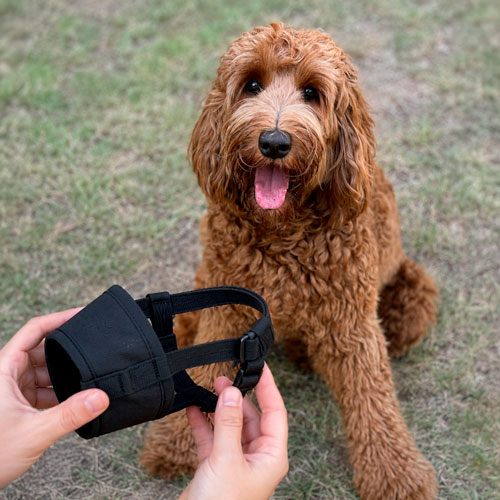
DOES MY DOG HAVE TO WEAR A MUZZLE?
Approximate reading time: 8 minutes
Nobody likes the idea of having to muzzle their pet. Unfortunately, this accessory that covers dogs' muzzles to prevent them from biting is quite unpopular and carries the stigma of making the animal wearing it potentially aggressive. However, there are different situations in which it is advisable or necessary for a dog to wear a muzzle.
The use of muzzles is compulsory for dogs considered potentially dangerous by current regulations (such as pit bulls, rottweilers and Argentine dogo dogs, to name but a few). These dogs must be muzzled whenever they are in public spaces (in streets, parks, pet-friendly shops, fields or beaches, etc.). Also if the animal has previously attacked another dog or person and a complaint has been filed. In this case, the authorities will also consider it dangerous even if its breed is not listed as such. In addition, dogs must wear a muzzle on many public transport services, such as the metro or train, so we advise you to check the municipal regulations before travelling with your pet. Some neighbourhood associations may even dictate that the use of a muzzle in the common areas of your building is compulsory.
Table of contents
1. How can a muzzle help my dog?
3. How do I teach my dog to wear a muzzle?
How can muzzles help my dog?
Even if your dog is not a breed considered dangerous, you may find yourself in public places where the use of a muzzle is a compulsory rule, so we advise you to adapt progressively so that you can use it at any time. If it is in the puppy stage, it is better.
Some people use it so that their dog does not pick up things from the ground, although we recommend you train them correctly, the use of a muzzle is not a permanent solution for this behaviour, although it can be useful from time to time. Of course, if you feel that your dog may react aggressively to other people or animals because of its temperament, state of health or lack of socialisation, it is vital that, even in cases where you are not legally obliged to do so, you muzzle your dog. Do not see it as a punishment for your pet, but as a protection for their environment but also for them, as it will prevent them from getting involved in very unpleasant situations that may cause them great discomfort. Remember that aggressive behaviour can be the reflection of a poor upbringing, health problems or poor socialisation, so the dog is never the culprit but another victim.
Types of dog muzzles
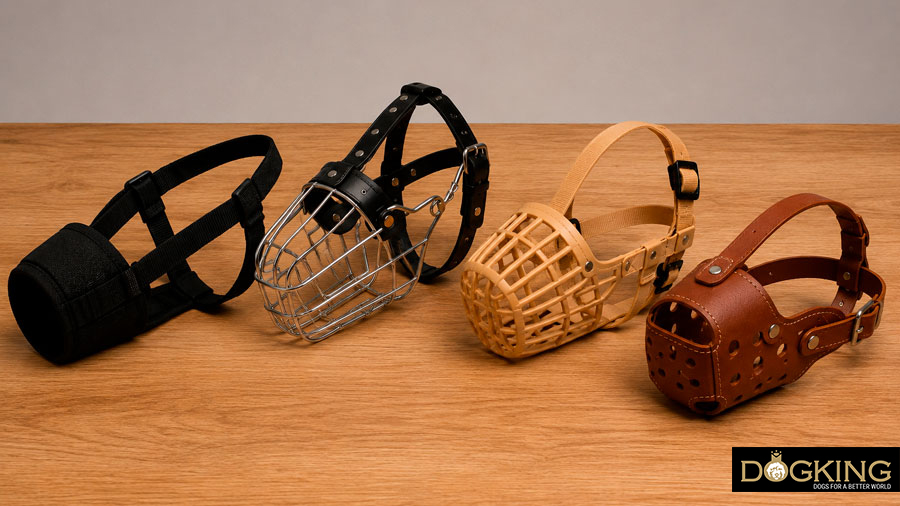
A muzzle is a necessary accessory in some circumstances and optional but useful in others. When purchasing a muzzle, we recommend that you measure your dog's muzzle, as depending on the age and breed of your pet, the size and shape of muzzle needed can vary greatly. For example, dogs of brachiocephalic breeds, due to the anatomy of their muzzles, which are much wider and flatter than those of other dogs, may need special muzzles. Ideally, the muzzle should not be too tight, but should leave a space of about 1 cm in relation to the dog's muzzle. In terms of materials and models, let's take a look at the most common and most recommended muzzles on the market.
• Fabric muzzles
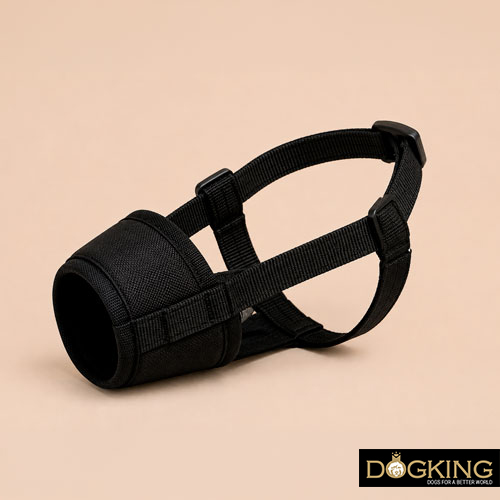
As their name indicates, these muzzles are made of fabric, specifically and in most cases, nylon, a fairly resistant textile. Among the advantages of this type of muzzles are their lightness and convenience for owners, as they can be folded and stored anywhere. They are also less threatening in appearance than other muzzles, which is why many caregivers prefer them for their pets.
However, cloth muzzles are not recommended for dogs, as they tend to collect saliva, making them a very uncomfortable alternative for dogs. Even in cases where they have a built-in grid to eliminate saliva, they are not advisable as they completely close the dog's muzzle, so not only will they not be able to eat or drink with it on, but they will also not be able to pant or vomit, which could cause them to choke.
• Basket muzzles
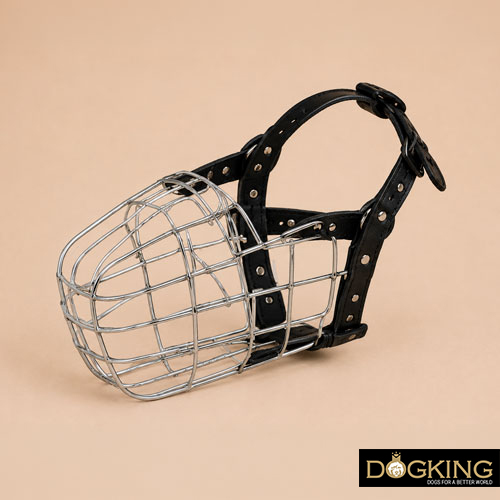
Basket muzzles consist of a kind of box, usually made of plastic or rubber, which surrounds the dog's muzzle. These muzzles prevent biting and allow the dog to eat and drink in most cases, as they have a lid that you can open and close. We recommend that you check the fit of this type of muzzle very carefully to avoid chafing, especially on plastic materials. Another option that we highly recommend are muzzles made of rubber baskets, a resistant material that is softer on the dog's skin. Although they may be more elegant, we do not recommend leather muzzles, as they are less breathable. Metal muzzles, on the other hand, are too hard and can be uncomfortable for your pet.
To mention a disadvantage of this muzzle, it is true that it looks much more striking and threatening than the fabric muzzles, but they are much better protection and are more suitable and safer for your dog.
• ‘Baskerville’ type muzzles
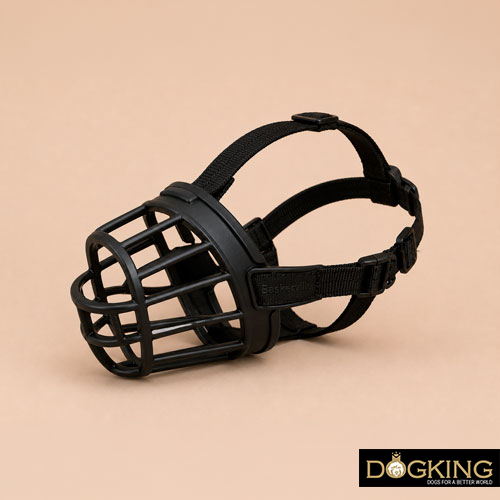
This is a variant of the basket muzzles but leaves the dog's nose completely free, allowing them to sniff their surroundings, which is necessary and beneficial for the dog. In addition, it has several fastening systems (a strap that anchors it to the head and another to the collar), making it the safest muzzle alternative. Baskerville muzzles are made of anti-chafing rubber and can be moulded by immersing them in hot water for 5 minutes to adapt them as much as possible to your furry friend's face.
How do I teach my dog to wear a muzzle?
Even if you think that your dog will never need a muzzle, there are many circumstances that may occur during their life that could require the use of this accessory. It would be very abrupt and traumatic for your pet to start wearing a muzzle from one day to the next. It is therefore worth getting your dog used to wearing a muzzle as early as possible.
Adaptation to wearing a muzzle should always be slow and gradual. You can start by showing your dog the muzzle, letting them sniff it and placing it in sight while they are resting or even while you are playing (you can try giving them a treat as a reward during training through the muzzle on their muzzle, but do not fasten it completely). Gradually, start muzzling them in small bursts. The most normal thing is that they will try to take it off at first, but that's OK, try to keep a relaxed attitude, don't scold them and simply distract their attention with a game. Increase the amount of time they wear the muzzle and remember to reward them with snacks or petting when you see that they no longer try to pull off the muzzle.
Avoid rewarding your dog with petting or reacting in any way, even angrily, when they are anxious about wearing the muzzle, so as to avoid reinforcing inappropriate behaviour and making them fearful. With patience and gradual exposure, your dog is sure to tolerate their muzzle. They will then be ready for any occasion that requires the use of this accessory and will have learned a new situation in which to be calm and relaxed. It's all good news!