Scabies in dogs
Types of dog scabies, symptoms and treatment

WHAT IS MANGE IN DOGS?
Approximate reading time: 8 minutes
One of the most common threats to the health of our furry friends is infection by parasites. These opportunistic and unwanted inhabitants cause dogs numerous skin complaints and can even transmit or trigger diseases. One of these is mange, an infestation by mites or ectoparasites that settle and reproduce in the skin of dogs, feeding on the skin and other components such as sebum or keratin. This causes very itchy skin, with wounds and scabs, the result of excessive scratching or licking by the dog to try to relieve themself. In addition, there is also hair loss that evolves for the worse within a few days. The reproduction speed of these mites is very high, so it is crucial to treat the infestation as soon as possible.
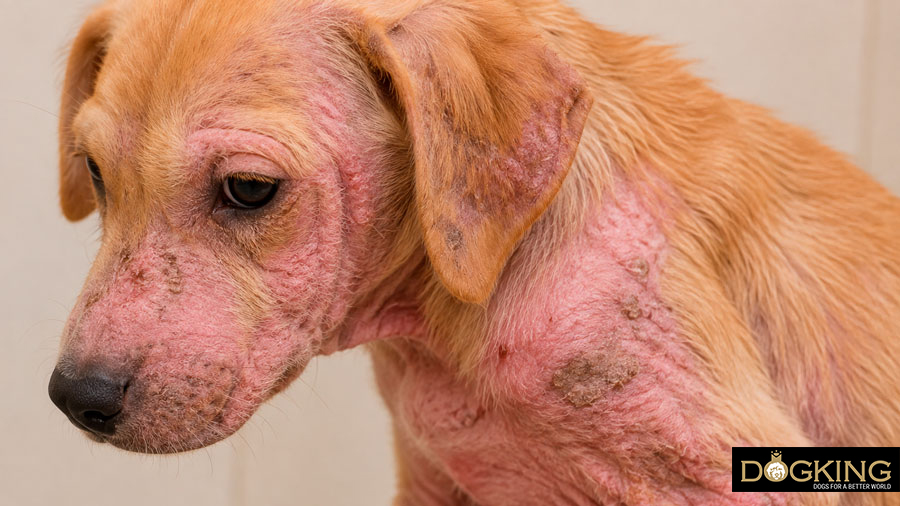
Depending on the type of mite affecting our dog, we will be talking about one type of mange or another. Although many of the symptoms they cause are common, their characteristics, level of contagion and treatment may vary. With proper medication, scabies in dogs can be cured within a short period of time, but if diagnosis takes too long, the condition can become more complicated. If left untreated, mange can progress to life-threatening infections. In addition, most types of mange are highly contagious, including to people, so if we are not careful about protection and cleanliness, re-infestations may occur.
Table of contents
1. Symptoms of scabies in dogs
2. Types of scabies in dogs: symptoms and how to act
3. I think my dog has mange: what do I do?
Symptoms of mange in dogs

The symptoms caused by this skin disease in dogs can vary depending on the type of mite that causes scabies. Generally speaking, however, you should take your dog to the vet immediately if you notice the following signs:
- Hairless areas on the head, legs or body.
- Small, bite-sized wounds.
- Scabs and pustules on the skin.
- Excessive licking and scratching of the dog.
- Your dog rubs incessantly.
Types of mange in dogs: symptoms and how to act
Depending on the species of mite or ectoparasite that colonises your pet's skin, there are different types of mange. Below we look at the main types of mange affecting dogs, how to detect them and everything you need to know to help your furry friend through this uncomfortable time for them.
• Demodectic mange
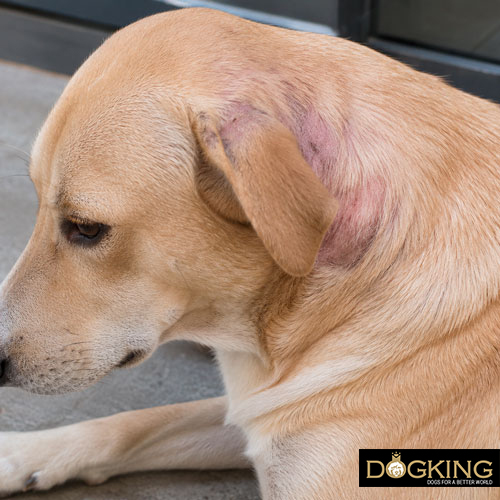
Demodectic mange is the only canine mange that isn't contagious, and it's quite common in dogs. In fact, it is caused by a type of mite that lives naturally in the animal's body. However, if the dog's defences are weakened or their immune system is weakened, the mite can proliferate excessively, and that is when an imbalance occurs and symptoms develop. Demodectic mange, which is more common in puppies, can be of two types. Localised demodectic mange is characterised by small bald patches (1 to 5) in the animal's coat. It is notable for the lack of hair on the eyelids and around the muzzle. It usually clears up on its own within 6-8 weeks, once the immune system rebalances the mite population.
However, if this localised demodectic mange progresses, it is called generalised demodectic mange. The symptoms of this subtype of mange are more noticeable on the head, legs and trunk of the dog. In puppies it also resolves spontaneously, but in adults treatment is necessary. Common symptoms include swollen pads, pus-like scabs on the skin, swollen glands and fever. If you see these signs in your dog, take them to the vet as soon as possible for a suitable shampoo or lotion.
• Sarcoptic mange
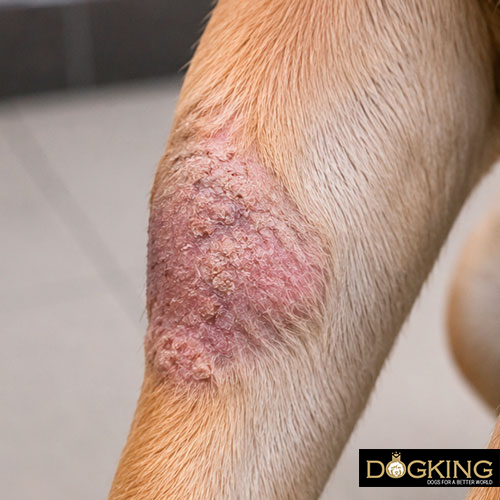
Sarcoptic mange is the most common type of mange in dogs and is highly contagious, both between dogs, to other pets and also to people. Sarcoptic mange or scabies is caused by the Sarcoptes scabiei mite, also known as the ‘scabies mite’. This name is due to the fact that the females, once they have mated with the male, dig tunnels in the surface layers of the dog's skin, where they lay their eggs. Once they hatch, after about 3 to 10 days, the larvae go through the different stages until they become adults, when they will reproduce again. This entire reproductive cycle, which lasts 17 to 21 days, takes place on the dog's body. Understanding how these mites reproduce gives us a clue as to the importance of early diagnosis and treatment, otherwise our pet will be totally infested within a few weeks.
The symptoms of sarcoptic mange are particularly noticeable on the elbows, face, chest and ears, where small scabs typically appear. Of course, the most obvious clue is, again, the intense itching that leads to desperate scratching and licking. Beware, though, as the absence of itching does not rule out a mite infection. A simple test which, although not decisive, can lead us to suspect a mite diagnosis, is to look for the reflex in the pinna. To do this, simply rub one of your pet's ears with two fingers (protect yourself with gloves, as this scabies is very easily spread by contact). If your dog has the urge to scratch, this could be a sign of mange.
• Cheyletiella mange
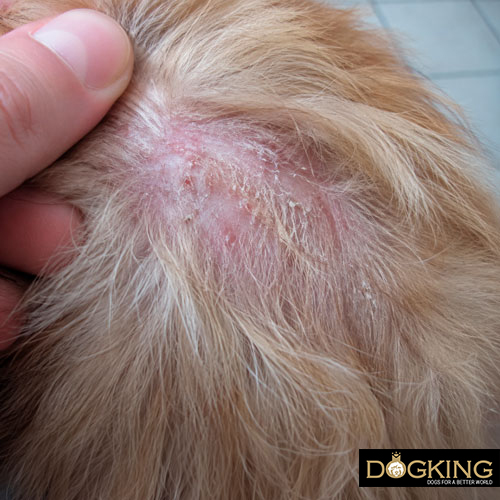
The red-coloured Cheyletiella mite is responsible for this type of mange, which is most common in cats, but also affects dogs, especially puppies. This mange is also known as walking dandruff mange, and one of its most characteristic and visible symptoms is the dead skin that proliferates on the back and neck. These scales or dandruff move around the dog's body as a result of mite activity.
The good news about Cheyletiella scabies is that it is sensitive to flea products, so the main deworming agents used to prevent it are also used to prevent this type of mite. This is why this type of dog scabies is not so common nowadays. However, if you detect excessive scratching and dandruff on your dog, see your vet for an assessment and diagnosis.
• Otodectic mange
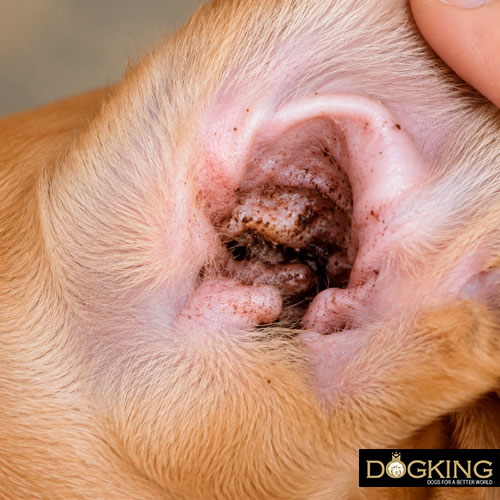
Otodectic mange is caused by a mite that grows and breeds in the ear canal of dogs. It usually affects both ears through contagion, causing itching, swelling and redness. In addition, you may also notice pustules and scabs in your dog's ears, as well as a dark brown, foul-smelling earwax in their ears.
If you suspect your dog has this type of ear scabies, take them to the vet quickly so that, if the diagnosis is confirmed, they can be prescribed an ear acaricide. Also, bear in mind that ear mites are highly contagious and slippery, so they may jump to other areas of the body. It is advisable to check your furry friend thoroughly and, just in case, use an anti-flea shampoo or lotion, which are also effective in eliminating these mites.
I think my dog has mange: what should I do?
If you strongly suspect that your dog may have mange, the first thing to consider is that most types of dog mange are contagious, so protect yourself with gloves before handling your furry friend and their things any further. In humans, mange causes skin rashes, although the mites do not usually survive long term. In addition, if you have other pets or children at home, we recommend isolating the animal, offering them a nice, comfortable space with everything they need to rest during these difficult days.
Of course, you should immediately notify your vet, who will order tests and samples to provide a diagnosis. If it is mange, they may prescribe an anti-mite lotion or shampoo. Don't panic if it doesn't work first time, even if you have followed the vet's instructions to the letter. Many mites have developed resistance to these products, so your vet may recommend several formulations until the most effective one is found. Other treatments your vet may prescribe include corticosteroids to soothe itching and antibiotics if there is an infection.
And, of course, don't forget to thoroughly clean and disinfect your home, including acaricidal products (be careful if you have other pets or children). Maximise hygiene during and after infection and take your dog for regular check-ups to ensure no new outbreaks occur.