Dangerous and deadly stomach torsion in dogs
How to tell if your dog is suffering from it
IDENTIFY THE SYMPTOMS
Approximate reading time: 7 minutes
Gastric torsion in dogs is an acute condition in which the stomach becomes dilated and obstructed, causing serious circulatory problems that can compromise your pet's life. It progresses very quickly, so it is vital to detect the symptoms as early as possible to seek urgent veterinary care. Here's how to tell if your dog is suffering from stomach torsion and how to prevent it.
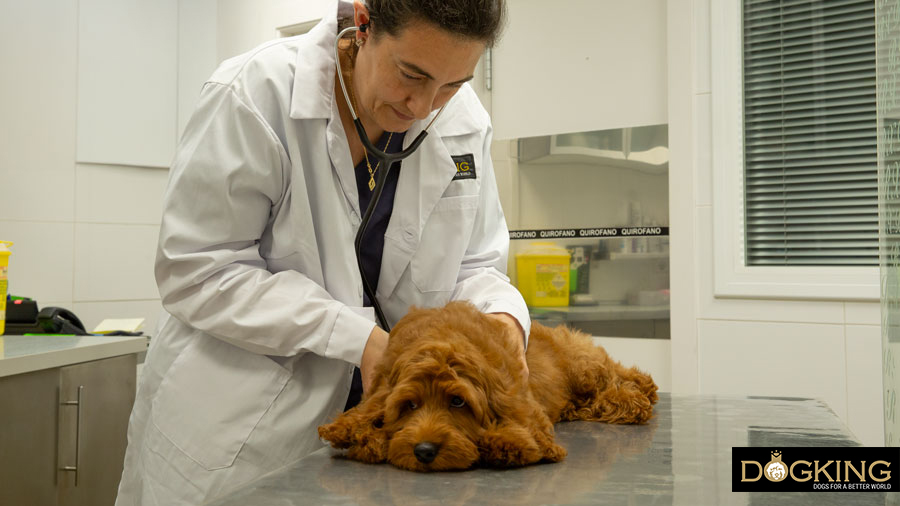
Table of contents
1. What is stomach torsion or DVG in dogs?
2. What causes gastric torsion in dogs?
3. What are the symptoms of stomach torsion in dogs?
4. What is the treatment for stomach torsion in dogs?
5. Complications of gastric torsion in dogs
6. How to prevent gastric torsion in dogs?
What is stomach torsion or DVG in dogs?
Gastric dilatation-volvulo-gastric syndrome (DVG), better known as gastric torsion, is an acute condition that can affect dogs, putting their lives in serious danger. It involves the turning of the dog's stomach in on itself, causing obstruction of the upper and lower opening of the organ. Due to this compression, food, liquids and gases cannot circulate in the natural direction of digestion, but neither can they be expelled by the animal through vomiting, so they ferment in the stomach. As a result, the stomach dilates, crushing the blood vessels in the entire area.
The danger of this process is that this slowing of the normal circulatory rhythm can cause irreversible damage to both stomach tissue and nearby organs such as the spleen or heart. This condition worsens by the minute, and if the torsion is not reversed, it can end the animal's life.
What causes gastric torsion in dogs?
Stomach torsion in dogs is more common in large breeds, such as Boxers, Labradors, Mastiffs, Dobermans and Great Danes, to name but a few. This is because their large ribcage allows for greater displacement of the stomach. However, this sudden ailment can affect any dog in their lifetime. Let us look at some risk factors.
- Ingesting food or drink too quickly, or eating too much in one large meal.
- Age: older dogs are more prone to stomach torsion.
- Sex. Males have a higher prevalence of this disease.
- Stress. A nervous dog may eat too eagerly, as well as suffer from muscle tension and digestive problems that make them more vulnerable to stomach torsion.
- Drinking too much water. As well as being a symptom of some other pathology, too much water can lead to GDV.
- Exercising too hard during digestion.
What are the symptoms of stomach torsion in dogs?
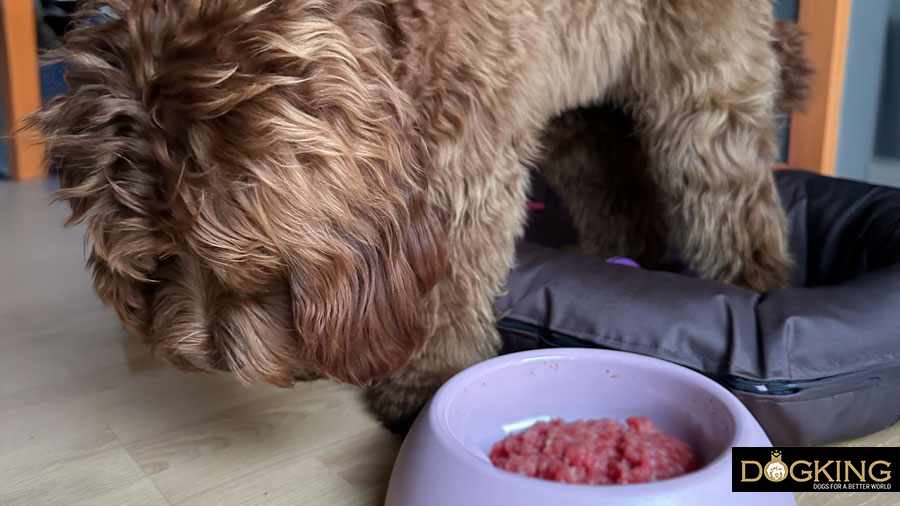
Because gastric torsion is an acute process, the symptoms progress very quickly. Take note of these signs and, if you detect them in your dog, take them to the vet immediately.
- Nausea and vomiting of saliva or blood (if the torsion is complete, they will not be able to vomit even if they try).
- Swelling of the abdomen and tension in the area.
- Refusal of food and drink.
- Nervousness, agitation and/or erratic behaviour.
- Discomfort when trying to lie face down on the floor.
- Gasping or shortness of breath, as the dilatation of the stomach affects the diaphragm.
- Rapid worsening of the animal's general condition.
What is the treatment for stomach torsion in dogs?
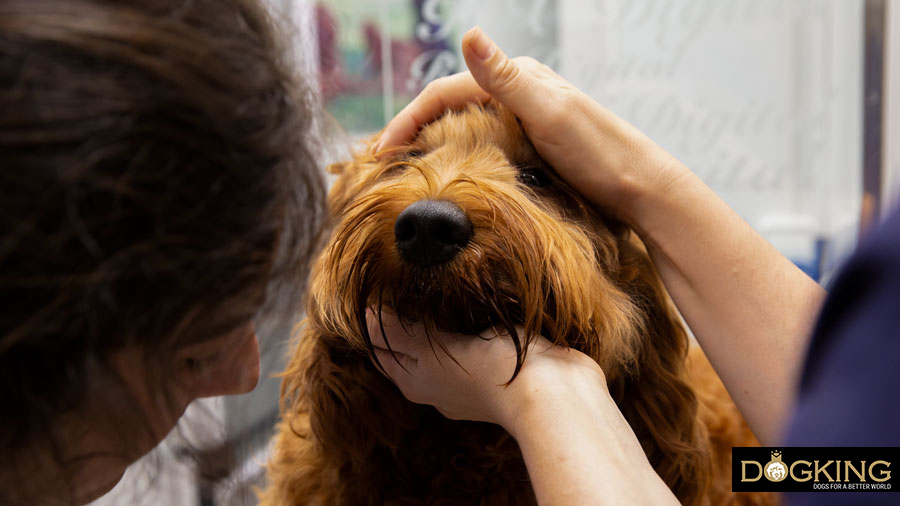
Stomach torsion is a process that causes great pain and suffering to the dog that suffers from it, and also endangers their life because it compromises circulation and other organs. If you have any suspicious symptoms, don't hesitate to take your pet to the vet immediately.
The first thing veterinary professionals will do is observe the dog's symptoms and confirm the diagnosis with imaging tests. They will then try to restore the animal's circulation and stabilise them so that surgery can be performed. Yes, if your dog suffers a twisted stomach, they will inevitably require emergency surgery to empty the organ through a gastric tube and then return it to its natural position. The stomach is often sutured to the abdominal wall to prevent relapse.
The postoperative period is crucial in cases of gastric torsion in dogs, as one of the risk factors for this condition is that the animal has already suffered from it in the past.
Complications of gastric torsion in dogs

GVD in dogs can be life-threatening. The mortality rate is estimated to be between 5-15%, which is considerably high compared to other common diseases in dogs.
The circulatory problems caused by the inflammatory condition in the stomach can affect the dog's heart, causing arrhythmias and even cardiac arrest.
Another problem is that toxins can get into the bloodstream by cutting off the circulation of the blood vessels around the stomach.
In addition, damage to the stomach can also be as severe as necrosis with the possibility of losing part of the stomach. If the necrosis is very severe, it will be very difficult to save the animal's life.
In general, stomach torsion, as it gets worse by the minute, ends up causing a generalised shock to the organism that weakens the dog greatly, so that in many cases they are not even fit to undergo the operation, as they would not survive it.
How to prevent gastric torsion in dogs
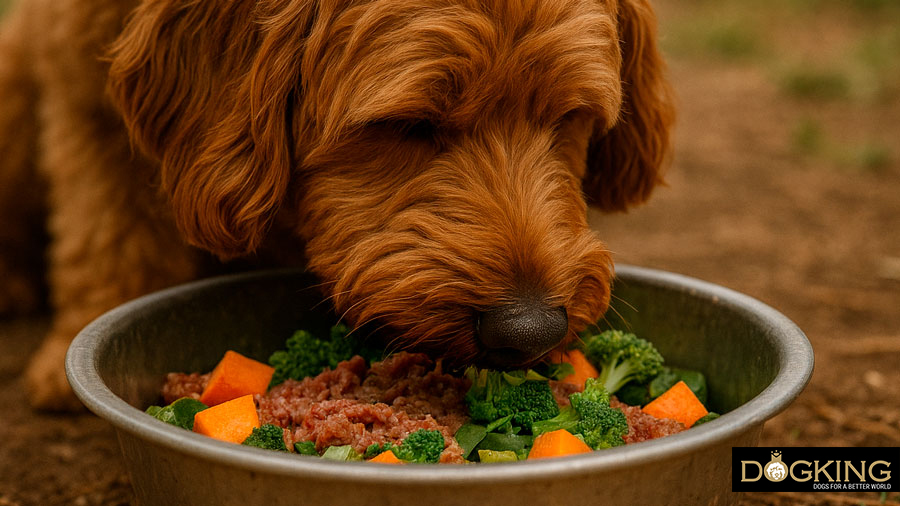
- Offer the food in several feedings to prevent the dog from eating too much at once.
- Make sure that nothing and no one disturbs them during the meal, and that the environment is calm and pleasant.
- Never serve them food if they are too agitated or nervous. In these cases, wait for them to calm down.
- Do not encourage them to do strenuous physical exercise immediately after they have eaten or drunk.
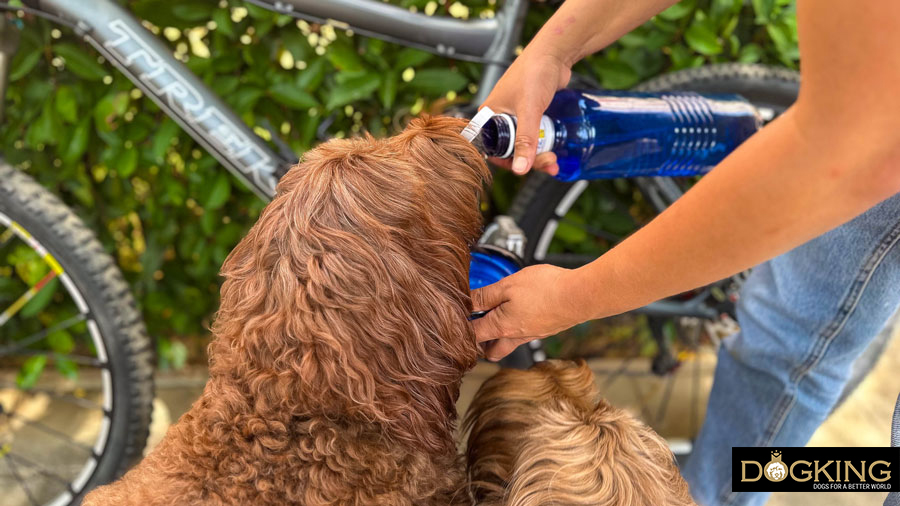
- If they are fed feed, avoid drinking too much water after eating, as this may cause bloating in their stomach.
- Provide your dog with a balanced diet so that they maintain a healthy weight.
- In some dog breeds with a high prevalence of gastric torsion, it is possible to perform a prophylactic gastropexy. This is a preventative, laparoscopic operation that sews the stomach to the gastric wall so that it cannot twist. Discuss this with your vet.
Although none of these recommendations can 100% prevent our pet from suffering a stomach torsion, it never hurts to be preventive and do as much as possible to prevent them from going through this ordeal. Gastric torsion is a very serious process that puts your dog's survival at risk. Time is of the essence in this disease, so if you notice any suspicious symptoms, don't hesitate: your beloved friend's life is at stake.