How to manage your dog's stress when they are afraid of firecrackers
Learn to recognise the symptoms of this canine phobia and how to prevent and resolve it.

WHY DOES MY DOG HAVE A PHOBIA OF FIRECRACKERS?
Approximate reading time: 8 minutes
Although for humans they are a manifestation of joy and celebration, firecrackers and fireworks can be a real torment for our furry friends. Dogs have highly developed hearing, so they perceive these intense sounds as great booms whose origin they do not understand, as they are unfamiliar and unnatural to them. In addition, the most powerful pyrotechnics not only cause a lot of noise, but also an explosion that generates a very annoying vibration. All these factors end up triggering a situation of fear or stress when faced with firecrackers, and in the most serious cases a phobia can develop.
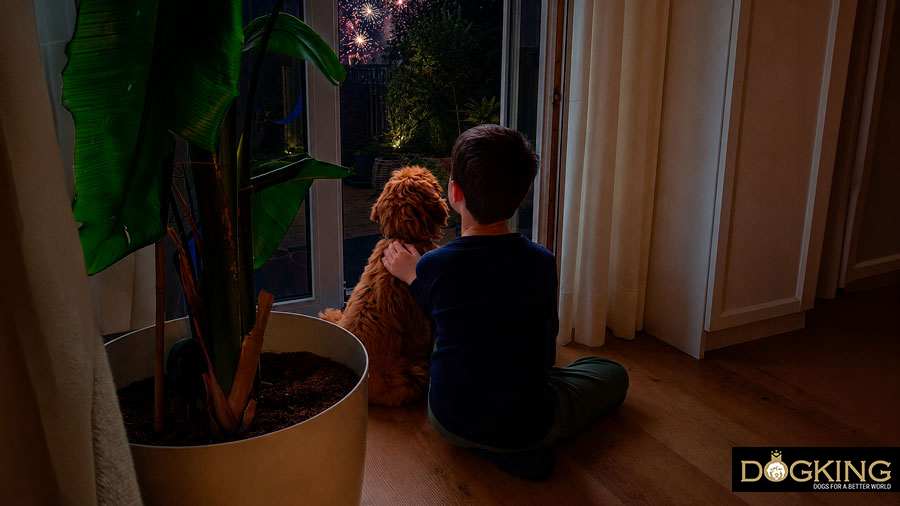
Fear is a response that both humans and dogs perceive as unpleasant, but the truth is that it is a very useful evolutionary resource for our survival, as it protects us from all kinds of dangers. The problem is when fear becomes a phobia, a very intense fear that manifests itself in a disproportionate way.
Table of contents
1. Symptoms of firecracker phobia in dogs
2. What do I do if my dog is afraid of firecrackers?
• Don't expose them to firecrackers.
3. How do I prevent my dog from becoming firecracker phobic?
Symptoms of firecracker phobia in dogs

Extreme fear of fireworks is very common in dogs, and can extend to other loud sounds such as thunderstorms, ambulances or construction site noises. Any phobia will cause behavioural disturbances in your pet, so watch out for these symptoms below. If your dog behaves in these ways in the presence of firecrackers, rockets or fireworks, this is a case of phobia that should be treated to alleviate the intense suffering experienced on these occasions.
- Sudden change of attitude.
- They start howling, barking or whimpering.
- Stops controlling their sphincters, peeing or pooing at that moment.
- Hyper-salivation and tachycardia.
- Their ears are pulled back and they hide their tail between their legs.
- They never get used to this situation no matter how much time passes.
- Stays locked in place.
- They try to escape or hide.
What do I do if my dog is afraid of firecrackers?
If your pet feels a deep dread when firecrackers or fireworks are heard nearby, they may even start to anticipate situations. For example, they will start to get nervous simply by smelling the smell of gunpowder or seeing the Christmas lights, a time they will undoubtedly remember from one year to the next because of the recurrence of firecrackers. Dogs are very intelligent and observant, so in the most established cases, the slightest sign will be enough to trigger their phobia. This can end up making their lives very difficult, especially at specific times of the year or in areas with a lot of firecracker festivities. That's why we want to give you some tips on how to manage your dog's fear of firecrackers.
• Don't expose your dog to firecrackers

If your dog's phobia is already established, don't try to force them through this stressful situation in the hope that they will get used to it, as this will only aggravate the problem. In most cases, you will need to contact an ethologist to determine the most appropriate therapy to help your dog to stop being terrified of firecrackers. This can be a long process, which will require your cooperation and a great deal of patience, but it's all worth it to improve your best friend's quality of life.
• Let them hide
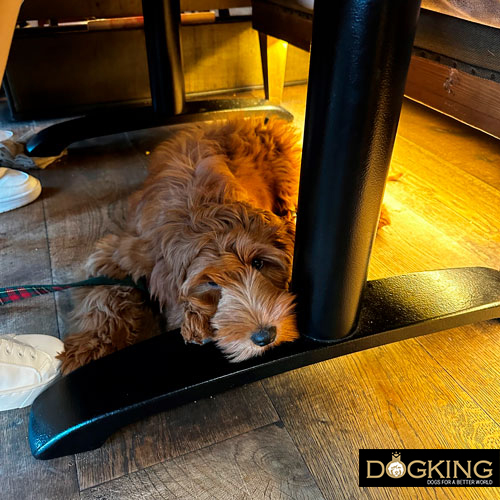
When firecrackers start going off outside and your dog tries to run away, don't do anything to hold them back, but don't take them somewhere else if they don't want to. Respect what they decide to do at that moment and, if they leave, don't go looking for them or force them to go out. What's more, we recommend you create a nice, quiet hiding place where your pet can go and where they feel safe. Ideally, this should be a secluded area, such as in a corner, under a bed or in a teepee or dog tent. You can place a blanket that has your scent on it, some toys that they like and even a kong bone to keep them entertained until the noises have passed. Of course, choose a place away from windows where as little sound as possible can reach them.
If you are in the street when the firecrackers start, change course quietly, without fuss, and try to move away from the source of the sound with your pet.
• Distract them

When it comes to dogs being afraid of firecrackers, there are different degrees of intensity. If your pet gets a little restless and tense when they hear these firecracker noises but don't quite experience the dread of a phobia, you can try distracting their focus by playing with them a little. Something that works great is scent mats, as dogs are highly entertained and focus on the stimuli that reach their nose, lessening their attention to the other senses.
• Be supportive

It is possible that if your dog has a phobia of firecrackers, instead of running away to hide, they will be stuck in place, suffering a lot of stress and anxiety. Act normally and you will send a message to your furry friend that you are calm and that all is well. However, avoid dramatic reassurance, as this will reinforce your dog's sense that they are in a dangerous situation.
• Isolate your dog from noise

To prevent your dog from becoming overly anxious to the point of endangering their health, it is best to protect them from firecrackers until their phobia is resolved. To do this, close windows, play soothing music and avoid going outside if you know there will be fireworks in the area. Do not force them to be in a particular area, but try to create a positive atmosphere, for example, by playing with your pet in a room that does not overlook the street.
• Take them to the vet
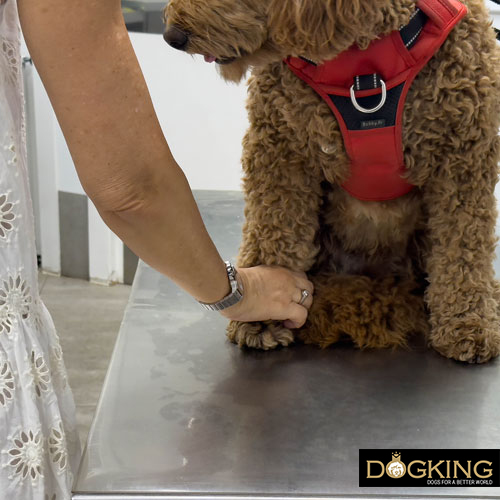
If your dog's phobia of firecrackers is very intense and prevents them from leading a normal life, or even causes other health problems, it is possible that your vet may prescribe some type of tranquilliser medication on an ad hoc basis. In all other cases, try natural remedies, such as essential oils or synthetic pheromones. These substances can help calm your dog in stressful situations, although they are not as effective if the phobia is very intense.
How can I prevent my dog from developing a firecracker phobia?
Your dog's first experience with firecrackers will determine how they feel about them in the future. If your pet has never heard a firecracker in their life and, one day, they suddenly hear a firework display next to your house, they are likely to feel a lot of stress, which will trigger the same response the following times they are confronted with this stimulus. It is therefore very important that exposure to firecrackers is gradual and as early as possible.
Puppies need to be socialised in their first few months of life for proper development without fear or behavioural problems. This includes your dog visiting many different places, meeting a variety of people, and exposing them to all kinds of noises, including loud noises such as fireworks. Of course, you should not do this all at once, but little by little and make sure, through positive reinforcement, that your pet associates this stimulus with something positive.
If you have any doubts about the process, consult a trainer or ethologist, as laying the foundations from the puppy stage will help you a lot to prevent them from developing phobias in the future.