How do you get a puppy to stop biting?
Learn how to manage this natural behaviour in your puppy.
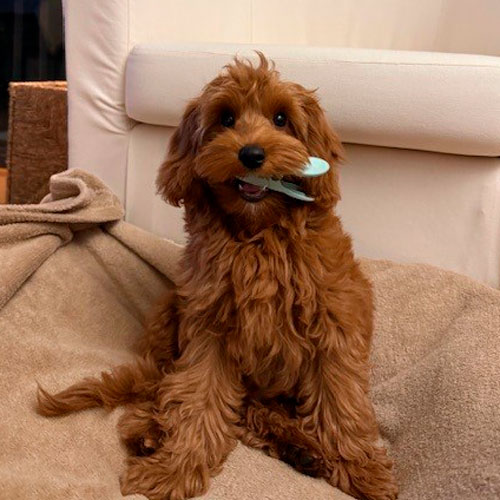
WHY DO PUPPIES BITE?
Estimated reading time: 7 minutes
If you think your puppy is the only one who tries to chew on your hands, feet and everything in between, you're wrong. Many puppies bite, because for them this behaviour is completely natural and a form of play and exploration of the world around them. Just as human babies use their little hands to touch everything, small dogs do the same with their mouth and bite. As well as discovering the different hardnesses and textures of what they bite, they also use it to control the strength of their jaws.
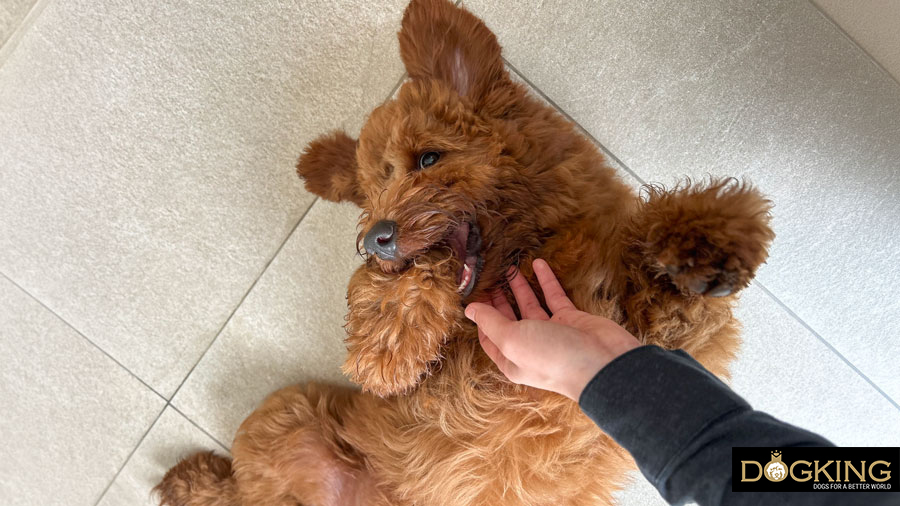
They begin to learn this bite control in the litter, with their siblings and their mother, and when they come into your family, you will need to continue to reinforce it to prevent bad habits from developing. Also, bear in mind that at around 4 months of age, dogs change their teeth, a process that can last up to 7 or 8 months depending on size and breed, and which causes them a lot of discomfort in their gums, which they may try to alleviate by biting things.
Table of contents
1. What can I do if my puppy chews on something they shouldn't?
• Work on the words “let go” or “give me”
What can I do if my puppy bites something it shouldn't?
It is very common in their first months of life for puppies to try to bite our hands when we play with them or our feet when we pass by. As we have seen, this is a normal behaviour that should not be repressed. Nor is scolding or punishment of any use. We must redirect this habit through positive reinforcement to prevent it from becoming a problem. Keep in mind that your puppy is still small and may not have much jaw strength now, but this will change as they get older, which could cause many problems in the family and with other dogs. Here are some tips to help your puppy stop biting or to control the strength of their bite when we are the ‘victims’ of their little teeth.
• Set limits
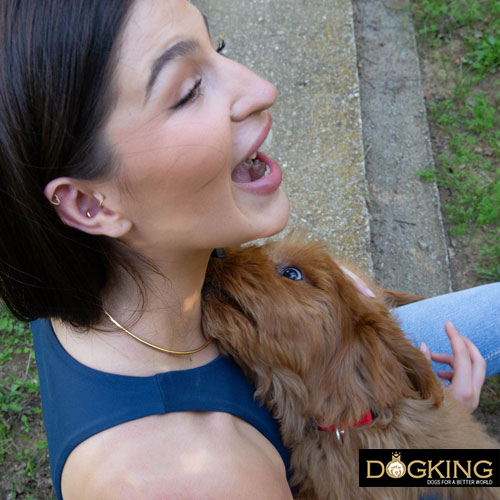
Now that your puppy lives with you and no longer has their mother and siblings to help them learn to control their bite, it is up to you to teach them how far they can go with their strength and what they should not bite. To do this, it is best to work progressively. If you are playing with or petting your dog and they try to bite you, take your hands away and stop the game or petting. If your puppy calms down and stops trying to bite you, you can go back to playing or cuddling, trying to make gentle movements and not over-exciting them. If, on the other hand, the puppy does not change their attitude, leave their side and leave them alone for a few seconds. The aim is to make them understand that if they behave like this, the game is over and they lose your company.
• Change them with a toy
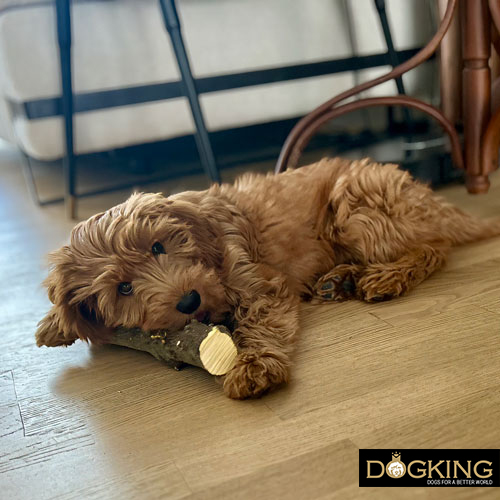
Puppies can be very insistent when they chew on something. Now you know that there are several reasons why they do this and that it is up to you to teach your dog what they can and cannot bite. When you see them chewing on something in the house, tell them ‘no’ or ‘let go’ and offer them a toy that they really like to divert their focus. We recommend rubber toys, which are safe and fairly sturdy. Make sure it is one that is not always available, so that it is something special and unique that will especially motivate your pet.
• Watch your attitude
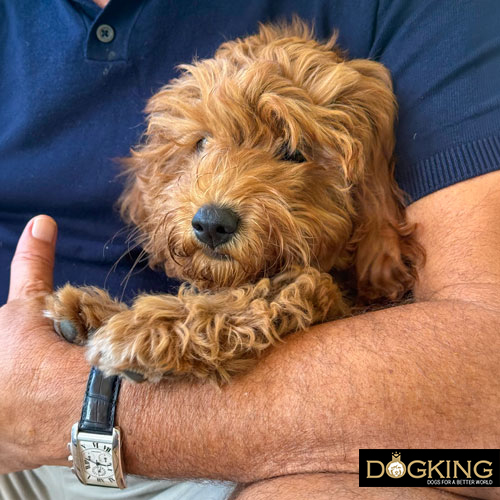
Dogs are very sensitive and perceptive animals, and puppies are no exception. Your puppy watches you all the time to learn your gestures, movements and behaviour. So try to stay calm and relaxed when you are with your pet, even during playtime. You can have a lot of fun together, but don't overexcite your dog by moving your hands quickly. If they bite you, you will be the one who provoked them. If you want to simply pet your dog, choose a time when thry are calm and bring your hands slowly towards them so threy know you don't want to play, just cuddle. If they try to bite you, hide your hands and try again when they have calmed down.
• Don't ignore the problem
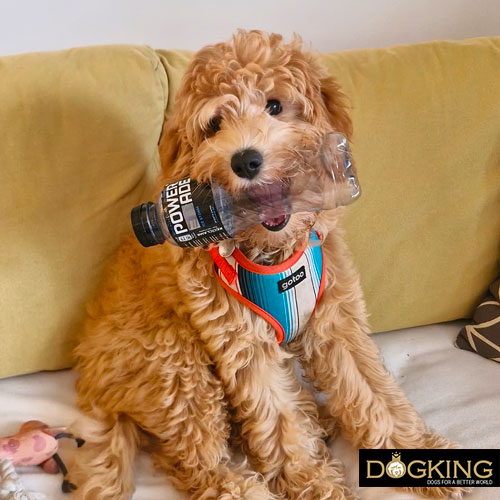
If you think it's funny when your puppy bites your hands or chews things around the house, wait until they're older and their teeth have developed. Not managing your puppy's biting is not an option if you want to avoid all sorts of problems in adulthood. If your pet doesn't learn to manage their bite now, they could get into conflict with other dogs and even hurt you through play. Work with your dog from a young age so that they understand that you dictate how far they can bite and what they can and cannot explore with their teeth (toys).
• Anticipate their intentions
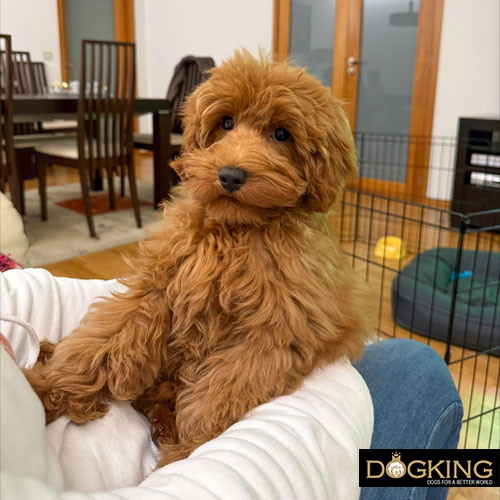
Observing your dog is the first step in modifying any of their habits. I'm sure you can spot when your puppy feels the irresistible urge to chew on the wrong things. Maybe it's every time you sit on the sofa or every time you leave your slippers on the floor. To change these habits, you can try playing with them before these times so that they are more tired and relaxed and forgets to nibble.
• Give your puppy an outlet for his energy
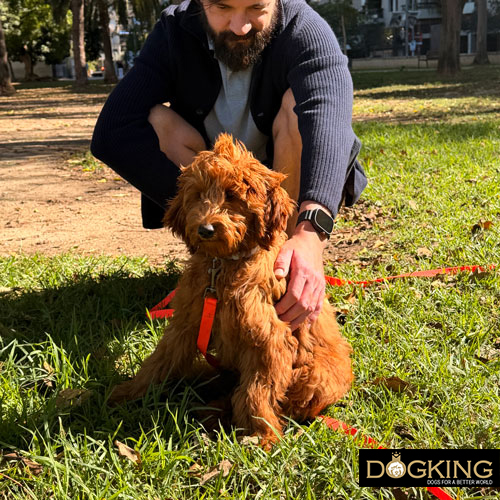
Puppies have a lot of energy and, if left unchecked, can become over-excited. It is important that you play with your dog enough, either in the street or if they can go out because they have had all their vaccinations. Make sure they burn up enough energy but without exhausting them. This way they will feel fulfilled and satisfied and their desire to bite will diminish.
• Work on the words ‘let go’ or ‘give me’
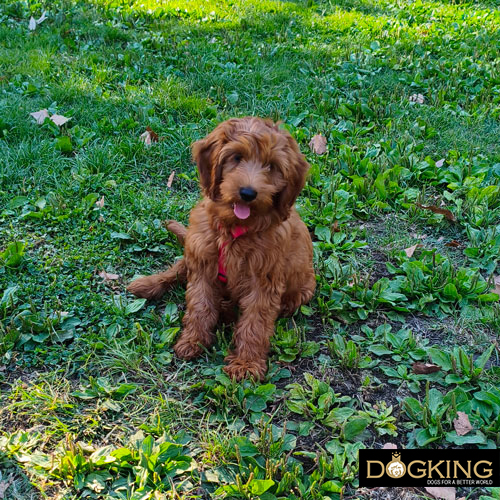
Dogs are capable of understanding a large number of words, and some of the most useful ones we can teach them are ‘loose’, ‘leave’ or ‘give me’. This is a signal to let your dog know that they should let go of the object they are chewing on immediately. During their first months of life, you can practice with any object you have nearby, both ‘forbidden’ things and authorised toys. Repeat the word you choose and positively reinforce your dog with petting or a treat so that they understand what you want from them. This will teach your puppy that in order to feel good, they will have to let go of things when you ask them to. This can be very helpful if they try to playfully bite you or if they try to bite something they shouldn't bite.
Do all puppies bite?
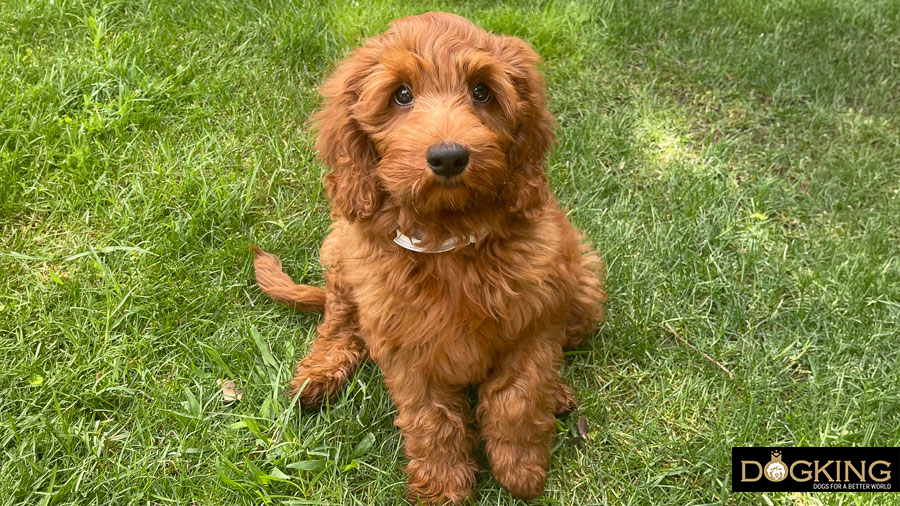
Although biting in puppies is quite common, not all puppies engage in this behaviour, as they may prefer other ways of exploring, such as sniffing or watching.
In any case, if you want your puppy to stop biting you must be patient and always act with affection and positive reinforcement. There is no point in scolding or punishing your dog, as this will only add tension and excitement that they may even misinterpret, believing that you are playing a game. Always try to act calmly so that this behaviour is reflected in your pet.
If you detect that your puppy or adult dog is growling, baring their teeth and their body is tense as they try to bite you, then this is a behavioural disturbance that needs to be looked into. It is best to consult a trainer or ethologist to help you address the problem.