The danger of sulphur for dogs on the streets
This chemical product can seriously harm your pet.

SULPHUR: HOME REMEDY OR POPULAR BELIEF?
Approximate reading time: 6 minutes
Surely you have seen some yellowish powder accumulated on street corners, façades, doorways or around lampposts in your town or village. In case you don't know what it is, it is nothing more than sulphur, a very aggressive chemical that, according to popular belief, repels dogs and prevents them from peeing. Of course, no one likes to have urine accumulating on the front of their business or on the pavement outside their home, which leads many people to use this homemade solution to prevent this situation.
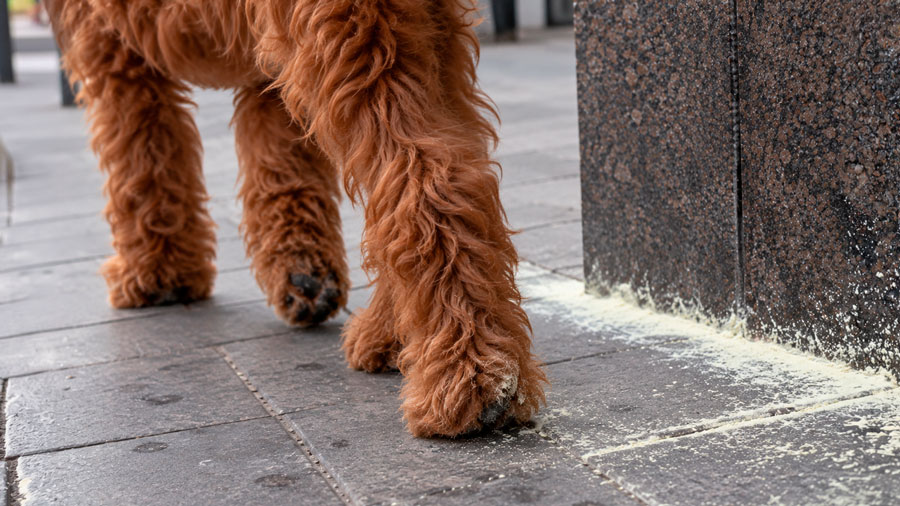
However, there are two problems with using sulphur for dogs. The first is that this product does not prevent dogs from urinating. There is no scientific evidence to certify the efficacy of this socially ingrained habit. Furthermore, sulphur, far from being a harmless alternative, is highly toxic for dogs, people and the environment. How dangerous can sulphur be for pets and what symptoms or damage can they suffer if they come into contact with it?
Table of contents
1. Is street sulphur dangerous for dogs?
2. What to do about the problem of street sulphur for dogs?
3. How can I protect my pet from street sulphur?
4. Safe and effective home remedies to stop dogs from urinating
Is street sulphur dangerous for dogs?
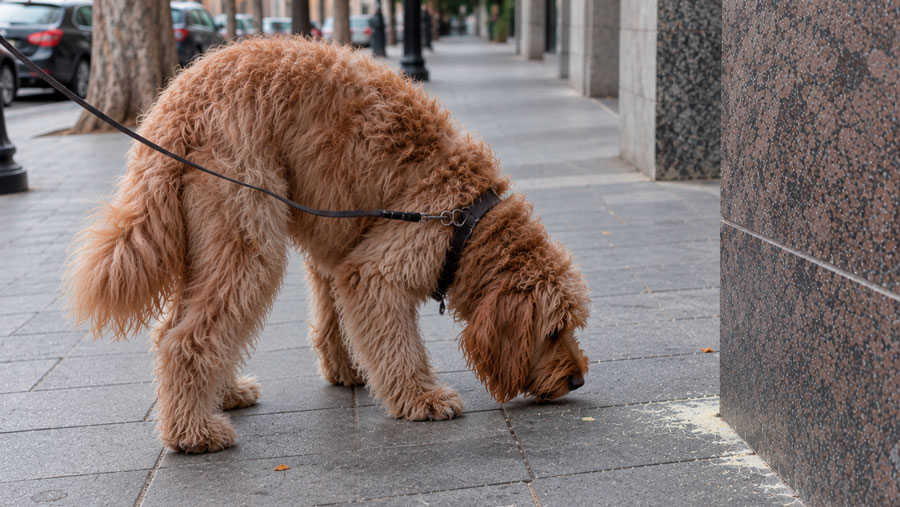
The yellow powder or sulphur that people throw on the streets to prevent dogs from urinating not only does not work, but can cause serious harm to the animals. Sulphur is toxic on contact, ingestion and inhalation. Even if your dog comes close to sniffing it out of curiosity, the irritating vapours it emanates could affect them. In addition, a simple draught of air could lift the powder and carry it to your dog's muzzle or skin. And let's not forget that, since the claim that sulphur stops dogs from weeing isn't true, your furry friend could urinate on the powder, causing a reaction that could lead to burns. Here are some of the negative effects sulphur can have on dogs:
- Irritates the respiratory tract, throat and mucous membranes.
- Causes coughing, asthma attacks or breathing difficulties.
- Can cause bronchoconstriction or tracheobronchitis.
- Causes conjunctivitis.
- In severe cases, may cause neurological symptoms, such as tremors.
- May cause liver and kidney damage.
- Risk of cardiovascular problems.
What to do about the problem of sulphur for dogs on the streets?
The effects that sulphur can have on our pets are not a matter of nonsense. In fact, our children and anyone else could also easily be poisoned by this dust, which is easily transported through the air with just a little wind, and can even cause explosions, as sulphur is flammable. So serious is this problem that many cities have already expressly banned their use on public roads, with fines of up to 750 EURO. Even the police and the Guardia Civil have warned on several occasions about the dangers of this chemical for dogs. So, if you spot sulphur on any corner of the street, don't hesitate, call the town hall or the police and file a report so that this useless and risky habit can be stopped as soon as possible.
How can I protect my pet from street sulphur?

By simply reporting it and not letting it happen, you will be doing your bit to ensure that sulphur is no longer used on the streets. Only then will our pets and children be completely safe. As long as this toxic chemical continues to be used, the best thing you can do is to keep your eyes open when you go out for a walk with your furry friend. Avoid going near areas where you see sulphur. If you have to pass a place where there are pockets of this dangerous yellow powder, keep your dog on a leash and don't let them get close to it or sniff it. If your dog is running loose and you notice them approaching a place where there is sulphur, either to urinate or to explore, ask them to come to your side with the sign you have worked out.
There are many dangers in the street that can harm your dog, and while you should never convey stress or worry with your attitude, you should be prepared to protect your dog from these situations. Training your dog in basic obedience exercises, such as ‘stay’, ‘sit’ or ‘come’, will help keep them away from sulphur and other dangerous places or circumstances. If your dog has inhaled or touched sulphur, take them to the vet even if you don't see symptoms, as they may appear later.
Safe and effective home remedies to stop dogs from urinating
Owning a dog means taking responsibility for their care and well-being, but also for ensuring that they live well in the community. As the person responsible for your dog, you are responsible for their behaviour, so don't allow them to urinate in the middle of the street, on lampposts or facades. Opt for civic behaviour and take your dog to pee in places where it is allowed, such as parks or dirt areas. And if your furry friend has an accident and pees on the pavement, always carry a small bottle of water to rinse off the wee-wee and leave everything as you found it. Oh, and if you really want to stop your dog or other dogs from peeing in a particular place, you can always use lemon or vinegar. They are natural products, safe and harmless for pets and people, but because of their strong smell and acidity they are repellent to these animals.