What is reverse sneezing in dogs?
Causes of this canine respiratory condition and what to do about it
WHAT IS REVERSE SNEEZING IN DOGS?
Approximate reading time: 8 minutes
Of the many curious behaviours that dogs surprise us with every day, reverse sneezing is one of the most puzzling and sometimes alarming for their owners. It is a different type of sneeze to the one these animals are used to. In reverse sneezing, instead of being expelled through the nose as is usually the case, the air is pushed inwards, resulting in a forced inhalation that causes the dog to emit some very characteristic hoarse noises. This episode, also known as paroxysmal inspiratory breathing, is common in dogs, and although it can be of great concern to owners because it can be confused with respiratory problems or asthma attacks, it is generally harmless.
Table of contents
1. How do I know if my dog has a reverse sneeze?
2. Causes of reverse sneezing in dogs
• Irritation of the throat or mucous membranes
• Foreign body in the respiratory tract
• Intense exercise after meals
• Infections or respiratory diseases
• Temporary narrowing of the trachea
3. What to do if my dog has a reverse sneeze?
4. How to prevent reverse sneezing in my dog
5. How to differentiate reverse sneezing from a more serious problem
How do I know if my dog has a reverse sneeze?
Canine reverse sneezing usually lasts 30–60 seconds, but can last up to 2 minutes, and is caused by a muscle spasm in the dog's throat and soft palate. Learning to recognise a reverse sneeze in your pet will prevent you from worrying for no reason and help calm your pet until the episode is over. Here are some characteristic signs of dogs during a reverse sneeze:
- The dog stands with its muzzle closed or sometimes pulls its lips back.
- The dog's neck lengthens to facilitate inhalation.
- Repeated snoring or forced inhalation.
- If the episode lasts for a long time, your dog may be a little nervous.
Causes of reverse sneezing in dogs
Reverse sneezing is a reflex in the dog's body and, as such, is completely involuntary. In most cases, if it is a one-off episode, it is of no concern and does not require any special action or treatment, as it resolves on its own and the dog is not harmed. Some pets experience atypical sneezing a few times in their lives, while others may never have it at all. There are several causes of reverse sneezing in dogs:
• Irritation of the throat or mucous membranes
External agents such as dust, strong odours, cleaning products or pollen could be behind reverse sneezing. These irritating particles, by inflaming the mucous membranes of the nose and throat, give rise to the dog's hoarse snorting that can be so frightening if we do not know how to identify it. Irritation is also commonly caused by sudden changes in temperature.
• Foreign bodies in the respiratory tract
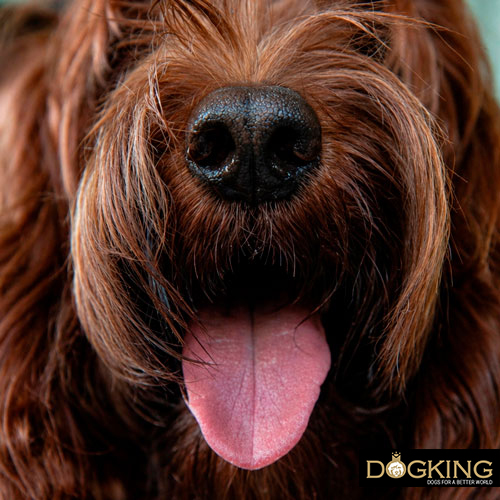
Sometimes, the presence of foreign bodies in the nose or throat are the cause of reverse sneezing in dogs. This can be a blade of grass, a pebble or even a piece of food. In this case, if your pet is unable to expel the foreign agent from their airways, the sneezing will recur. It is time to visit the vet for an examination.
• Anatomy and breed
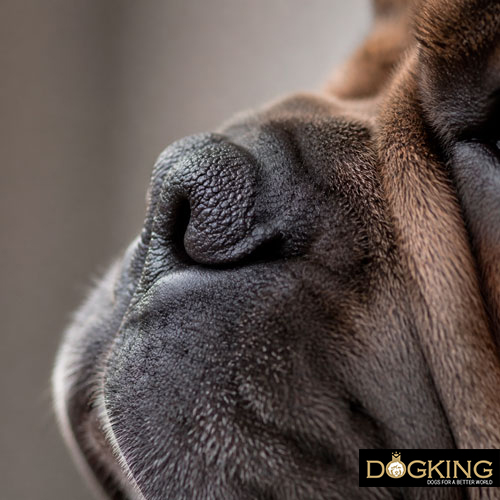
Brachycephalic dogs, such as pugs and bulldogs, are more prone to reverse sneezing because of their flat muzzle shape. This is due to the shorter length of their airways. Small dogs, such as the Chihuahua or Yorkshire, may also experience frequent sneezing.
• Too much excitement
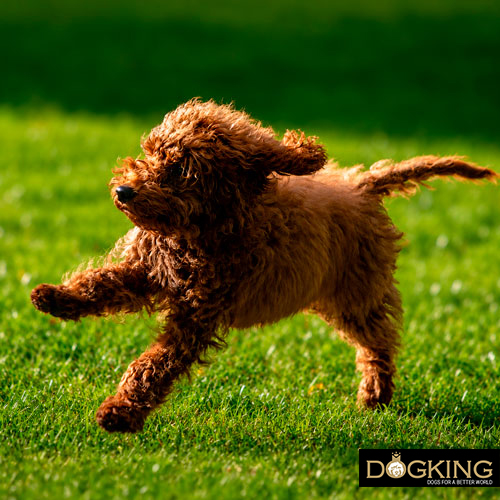
Episodes of high excitement can cause reverse sneezing in your dog. Any kind of excessive nervousness, whether for a positive reason, anxiety or fear, is capable of generating them. For this and many other reasons, we recommend that you give your dog a quiet life, free from shocks, loud noises and stress. Always try to maintain routines and gradually adapt your dog to changes in daily life to prevent them from becoming over-excited.
• Intense exercise after meals
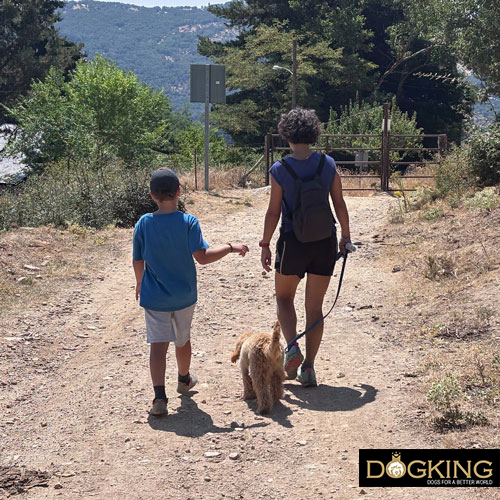
Exercising or playing with your dog too intensely after meals is never a good idea. In addition to increasing the risk of stomach twisting, a very serious condition that requires urgent veterinary attention, it could cause your furry friend to have uncomfortable episodes of reverse sneezing. When your best friend has finished eating or drinking, it's best to let them rest so they can digest properly.
• Respiratory infections or illnesses
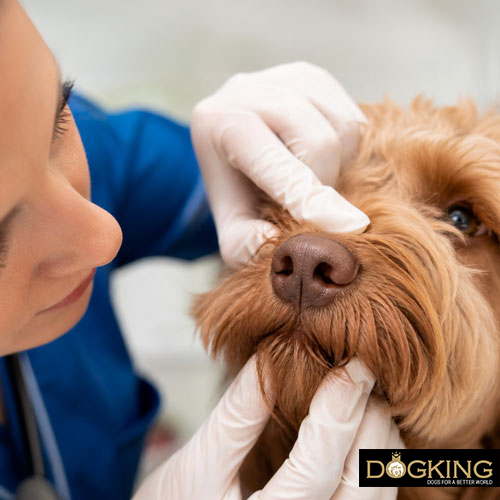
Although reverse sneezing in dogs is usually harmless, if it continues over time or even worsens, it is necessary to visit the vet to rule out respiratory tract infections or related diseases. It's not the most common cause - far from it - but if the sneezing is frequent or you notice any other symptoms that worry you, don't hesitate to seek veterinary attention as soon as possible.
• Temporary narrowing of the windpipe
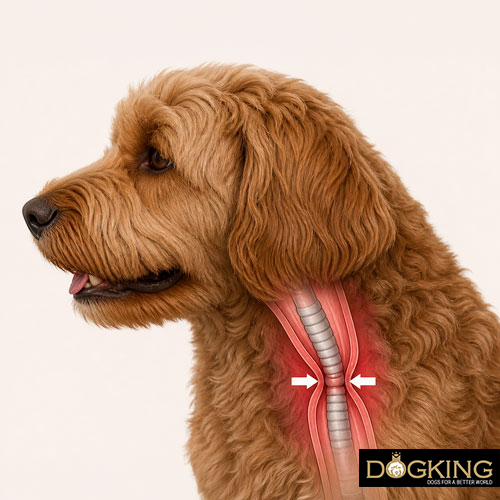
When your dog's windpipe is suddenly compressed, reverse sneezing can occur. Some situations in which this happens are when the collar is too tight or if we pull on the leash, which is strongly discouraged and very dangerous. Also in very obese dogs, the airways are squashed and the sneezing is encouraged.
What should I do if my dog sneezes in reverse?
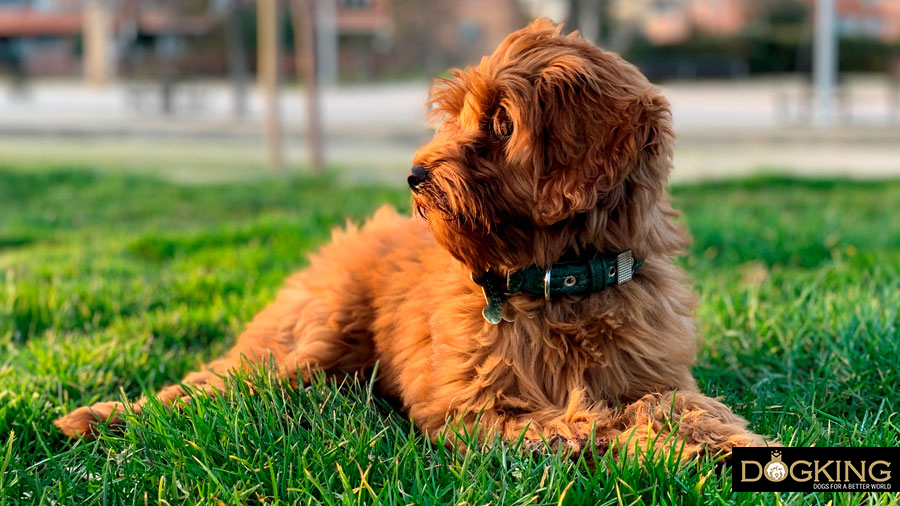
In the vast majority of cases you will not need to intervene at all when your dog sneezes in reverse. Most commonly, this episode will last for a few brief moments, after which you will see your pet resume their activity as if it were business as usual. If the sneezing goes on for several seconds or even minutes, you may notice that your dog starts to become restless and show signs of nervousness, although these sniffs are not painful. In these cases, you can put into practice some of the tips below to accompany and soothe your furry friend during this uncomfortable time:
- Give them a few strokes and words of encouragement to help them relax during the reverse sneeze.
- Gently massaging their throat can help relax the area and stop the spasms.
- A trick that often works is to hold your dog's nose for a few moments to force them to open their mouth and swallow saliva, which may relieve the irritation causing the sneezing.
- Ask them to sit upright or help them into this position and gently lift their chest to relieve the spasms.
- When the episode is over, offer water to clear their throat and soothe the irritation.
- If their tongue turns blue or they become dizzy, take them to your vet as a matter of urgency.
How do I prevent reverse sneezing in my dog?
Sneezing in dogs is an unavoidable reflex, both normal and reverse sneezing. However, you can prevent them from occurring by identifying what causes them. If you notice your dog sneezing in this way when you are dusting, try not to do it in your dog's presence. Perhaps these episodes are caused by a chemical you use to clean your home, which you can replace with a natural alternative. Whatever the case, finding out what causes reverse sneezing in your dog will help you reduce the likelihood of your dog experiencing it.
How do you differentiate reverse sneezing from a more serious problem?
Reverse sneezing in dogs is a brief episode that does not cause other symptoms in your pet. If you notice frequent sneezing accompanied by any type of nasal discharge, coughing or respiratory problems, see your vet, as your dog may have a collapsed trachea, polyps, or an object stuck in the nose.