Why do dogs tremble?
Trembling in dogs can be due to external or internal causes.

WHAT HAPPENS WHEN A DOG TREMBLES?
Approximate reading time: 7 minutes
Just like people, dogs can tremble for a variety of reasons, although most of them are not pathological. Shivering is an involuntary body response that all dogs may experience at one or more times in their lives, whether it is due to cold, fear, pain or other reasons that we will discuss in this article. If your dog shivers, it does not necessarily mean that they are sick and you should take them to the vet, although in some cases it is advisable to go to the vet to rule out more serious causes. However, if the reason for the trembling is due to some external factor, it will be easier to find out the cause and modify the environment to prevent our pet from experiencing it. And now, let's answer the question that concerns us: why do dogs really tremble?

Table of contents
2. Tremors due to emotional causes
3. Tremors due to physical problems
4. My dog shivers in their sleep
5. Trembling due to intoxication
Cold shivering

Yes, even if they have fur and their body temperature is slightly higher than ours, dogs can also get cold. And when that happens, their body's reaction is identical to ours: the body produces small involuntary muscle contractions to warm up and prevent a dangerous drop in temperature. Knowing when a dog is shivering from the cold is easy: if temperatures are low, draughty or damp, your pet is probably freezing. The dogs most vulnerable to cold are small breeds, puppies, elderly dogs and short-haired dogs. In these cases, simply move your furry friend to a warm place to help them regulate their body temperature. You can cover them with a blanket, but avoid sudden changes in temperature. Do not let your dog stay cold for too long, as this could lead to hypothermia and serious damage.
Emotional shivering

I'm sure that at some point, when you get home, your dog has greeted you shivering with joy at seeing you. Emotions, both less pleasant and positive, are a common cause for dogs to experience trembling in their bodies. It may be due to fear, or to unfamiliar or very intense noises, people or stimuli. In this sense, it is advisable to socialise your dog very well from puppyhood, gradually exposing them to all kinds of situations so that they get used to them. A properly socialised dog is much more flexible and reacts better to new noises, new places, etc.
Of course, your dog may also tremble with joy when they meet other dogs they like or when they receive a visit from their favourite family member. And let's not forget nerves: that visit to the vet or that sour moment when you leave home and they are left alone could make your furry one tremble. Again, socialising your dog will help them to manage their reactions better and not show this symptom. If you notice that your dog is too fearful and the intensity of their emotions prevents them from enjoying a full and balanced life, it is best to consult an ethologist. Never force them to face what they are afraid of in an abrupt way, as this could cause them trauma.
Tremors due to physical problems

If the trembling is not generalised and is limited to a specific area of your dog, such as the limbs, it may be due to an injury. Muscle pain, whether due to trauma or wear and tear, can cause these localised tremors. If your dog is older, they may be suffering from joint deterioration or osteoarthritis. The best thing to do in these cases is to take them to the vet for a proper diagnosis. The vet will prescribe painkillers or other drugs or supplements if necessary.
My dog shakes in their sleep
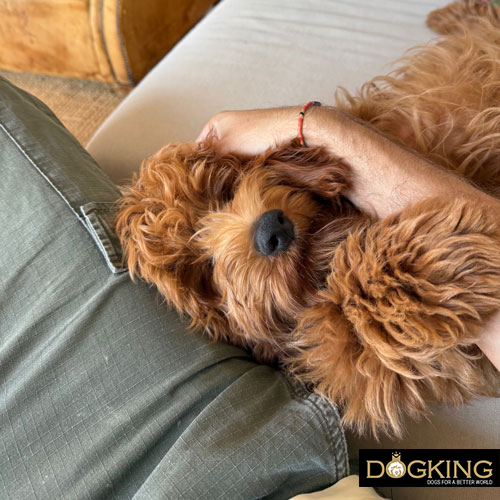
Does your dog shake every time they fall sound asleep? Don't worry! These body movements mean that they are dreaming. The REM phase of canine sleep is the deepest and the one in which dreams occur. If your pooch is shivering while resting, they may be dreaming of running through the countryside or chasing a bird. You may even hear them growling and see them moving their paws. In this case you don't have to do anything—don't even think of waking them up! The shaking will stop on its own and your furry friend will wake up calm and relaxed. Another possibility, if you notice that the atmosphere is cold and your pet is sleeping in a very curled-up position, is that they are cold. If this is the case, simply cover them with a blanket and, if you can, sit next to them to keep them warm.
Intoxication shivering

Tremors are a symptom of intoxication, although they are usually accompanied by vomiting and often lead to convulsions, which are much more intense movements in which the animal may even lose consciousness. These intoxications may be caused by ingestion of plants, chemicals or may appear as an adverse reaction to medication. If you suspect that your dog has eaten something that has poisoned them, take them to the vet urgently.
Why do puppies shake?

Puppies, as their immune systems are still developing, are more vulnerable to viruses and diseases, so we must be very attentive to this symptom of trembling. In many cases, puppies tremble for one of the reasons described above, but it can also be due to low blood glucose. Puppies need to eat several times a day, about every 4–5 hours, so if they go longer without food they may become hypoglycaemic, especially after exercise. If this happens to your pet, feed them immediately and consult your vet to rule out other causes. Another typical cause of shivering in puppies is cold. Their smaller size and lower body temperature make them more vulnerable to cold, so make sure your puppy is always warm, especially if the temperature drops too low.
Tremors due to illness
Although tremors in dogs are most likely due to external causes, we cannot rule out diseases that cause this symptom, such as parvovirus, epilepsy, distemper, Shaker syndrome (which causes inflammation of the cerebellum) and other pathologies of the nervous system. In addition, fever, whatever its cause, causes shaking and shivering in dogs, so it is imperative that you take your pet to the vet to find out if they have a virus or infection. If you notice that your dog is constantly shivering and you also observe other symptoms, don't hesitate to consult a canine health expert.