Why does my dog sleep so much?
Find out if your pet's sleep patterns reflect a health problem
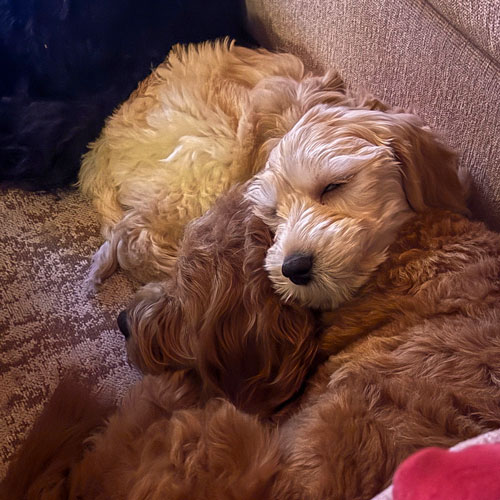
HOW DO DOGS SLEEP?
Estimated reading time: 10 minutes
Our beloved furry friends have many things in common with us. However, when it comes to sleep, their hours and rest cycles are somewhat different, which can lead us to worry for no reason. These adorable animals sleep longer hours than people, so if you compare their sleep to yours, it's only natural to wonder: why does my dog sleep so much?
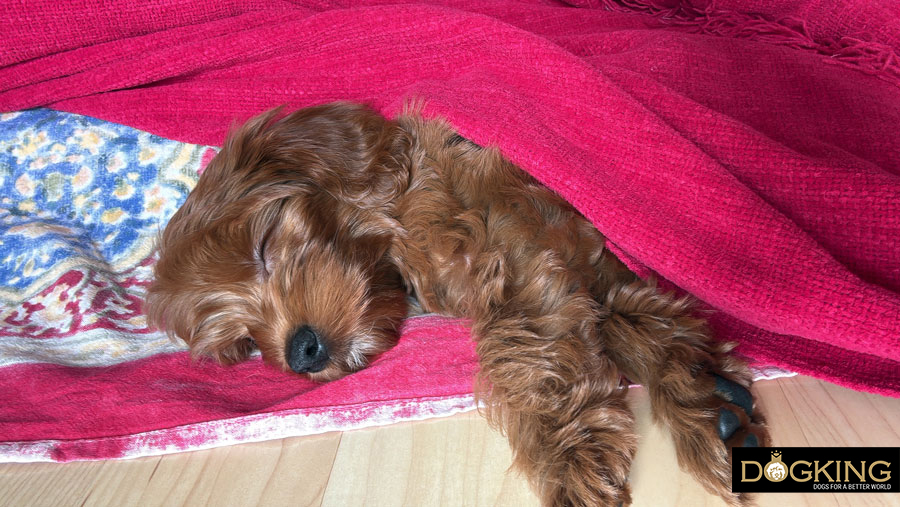
An adult dog can spend up to 50% of its time sleeping, although most of this sleep is not deep but shallow. Yes, you may think your pet is a bit lazy, but bear in mind that most of their rest is done in a state of semi-wakefulness, a characteristic inherited from their wolf ancestors that allows them to be attentive to everything going on around them. Therefore, more than once you will see your dog sleeping with one ear raised.
If we are talking about puppies or senior dogs, the rest time is even longer and, in addition, there are other factors that vary the number of hours that dogs sleep. Although our faithful friends are much more sleepy than we are, if the hours of sleep are excessive, it means that there is a physical or mental health problem. Let's take a look at when it's necessary to take your furry friend to the vet and when it's a perfectly normal sleep pattern.
Table of contents
1. Are some dogs sleepier than others?
• Age: puppies and elderly dogs are sleepier than others
• Breed: large and domestic dogs are sleepier than others
• Lifestyle: more exercise, more rest
• Environmental factors: bad weather, good sleep
2. My dog sleeps a lot: when should I worry?
Are some dogs sleepier than others?
We always say that every dog is different, and when it comes to sleep, there are many aspects that vary the rest time of dogs. Depending on age, breed, lifestyle, temperament or even environment, your dog will sleep more or less hours. In general, adult dogs spend as little as 20% of their day active, while the rest of the time they are sleeping or resting. But what are the factors that can make your dog sleep more?
• Age: puppies and older dogs sleep more
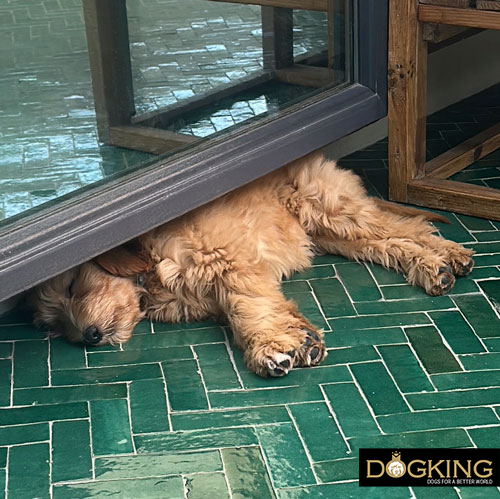
Generally speaking, a young adult or adult dog will sleep 10-15 hours a day. Within this range there may be variations depending on breed, amount of activity and other factors that will be discussed later.
However, when a dog is a puppy, its body is still developing, which consumes a lot of energy. Everything is new and exciting for puppies, and they spend the day playing and exploring, which leads to a lot of sleep to replenish their strength. Rest is super important for puppies, as it is during sleep that tissues are repaired, neural connections are made and growth takes place. For all these reasons, a small dog can sleep 18 to 20 hours a day. This is perfectly normal and nothing to worry about as long as your puppy is active and acting normally, even if it is only a few hours a day.
Similarly, older dogs also sleep more hours than adults and can sleep up to 18 hours a day. With the natural ageing process, energy levels decrease and tiredness increases, so it is completely normal for your dog to be less active and spend more time resting if they are older.
• The breed: large and domestic dogs are the biggest sleepers
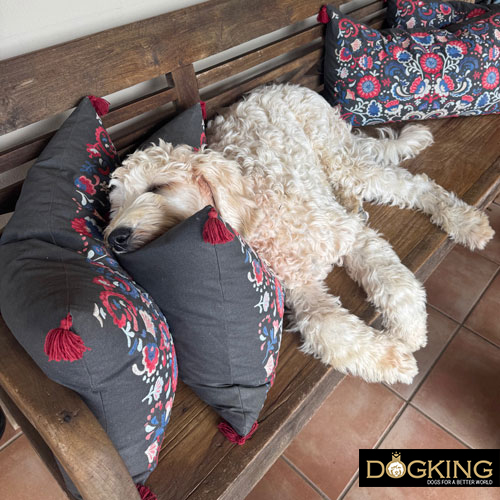
Your dog's breed is a determining factor in the amount of sleep they will need to replenish their energy. Did you know that large breeds sleep the most? Large and giant dogs, such as St. Bernards and Great Danes, have slower metabolisms, which leads them to move more slowly, need less activity and, yes, spend more time resting. In fact, these dogs can sleep up to 18 hours in adulthood.
On the other hand, domestic dogs are understandably sleepier than hunting dogs or service dogs, such as therapy or rescue dogs. When a dog has a specific function, they spend much more time occupied and there is less time for napping. On the contrary, a dog that is used to the peace and quiet of home will have many more opportunities for snoozing.
• Lifestyle: more exercise, more rest
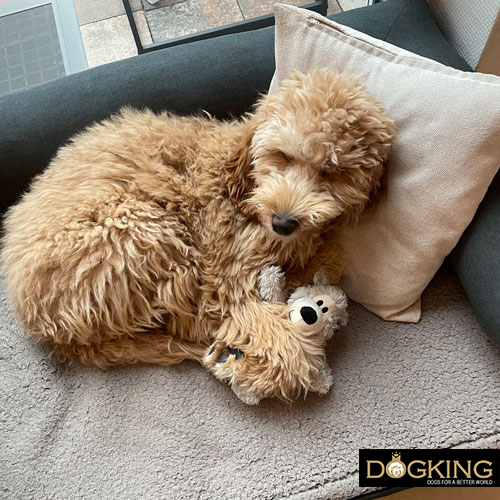
Isn't it true that when you have a hectic day full of chores, physical exercise and work, you end up exhausted and would spend 10 hours sleeping all at once? The same goes for your dog. The more exercise they get each day, the more sleep they need to recover. In this sense, the lifestyle you provide for your pet will have a direct influence on their rest time.
On the one hand, if you usually spend time with your dog, take them to run with you, play and walk with them and, in short, have an active life with sufficient physical exercise, it is normal for them to spend more hours sleeping, although these will coincide with your rest time at night, as during the day, they will be active to keep up with you. On the other hand, a dog that does not get enough exercise or spends a lot of time alone may need fewer hours of sleep, but beware that boredom and lack of motivation may also lead them, paradoxically, to take more naps.
In any case, physical activity is very beneficial for your pet, so it's great that you spend as much time as possible playing and having fun with them. Of course, keep an eye out for signs of tiredness so you don't exhaust your pet and adapt the activity to their age, health conditions and temperament. Also, avoid exercising with your dog in very hot weather and encourage them to rest with a good bed and uninterrupted restful sleep.
• Environmental factors: bad weather, good sleep
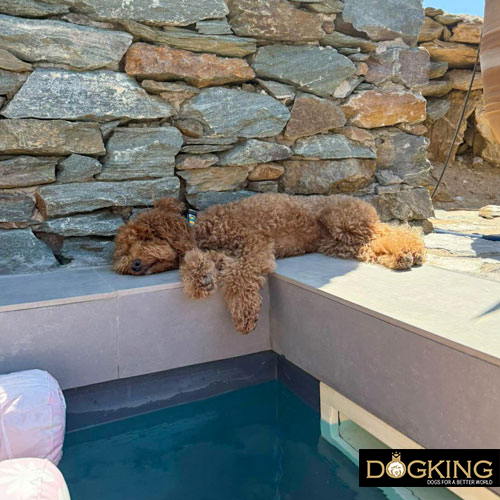
Dogs are domestic animals, but they have not forgotten their wild nature, which makes them very sensitive to changes in the environment. It is therefore normal for them to be more inclined to sleep in very cold weather, as the lack of light and low temperatures will reduce their energy. The same is true in summer. If it is too hot, their bodies will ask them to rest to keep cool. If you notice that your pet sleeps more in very hot or very cold weather, don't worry, it's adaptive and completely natural.
My dog sleeps a lot: when should I worry?
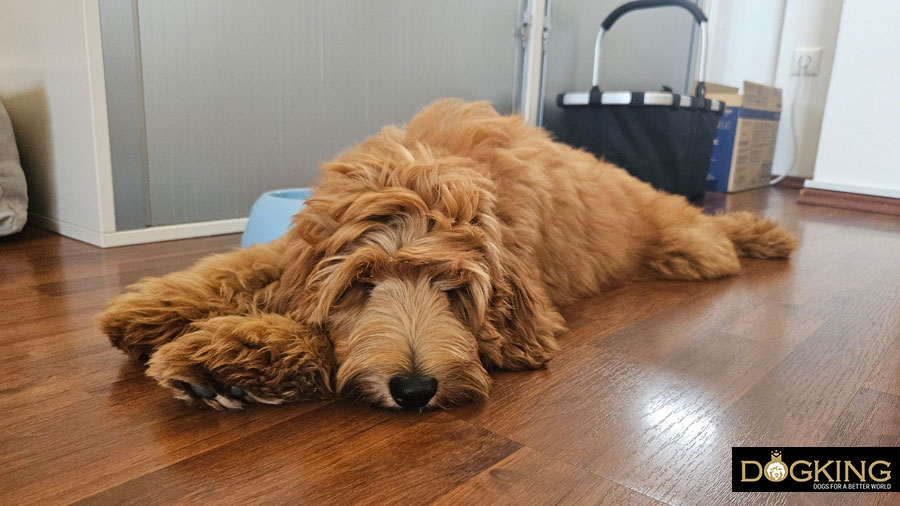
Having gone over the natural reasons why a dog sleeps a lot, there is a limit to the number of hours of sleep beyond which there is likely to be an underlying health problem. If your adult dog sleeps more than 16 hours and is always drowsy, lacks energy or even struggles to eat, you need to take them to the vet – there is something wrong with them. When a dog is sick and unwell, their body's natural reaction is to sleep to save energy. Here are some of the diseases that cause excessive sleepiness in dogs:
Emotional problems: excessive loneliness, a poor lifestyle, lack of stimulation and boredom can lead your dog to develop depression. Sudden changes, such as the death of a family member, divorce or moving house, may affect your pet's mood. These should be discussed with a veterinarian or ethologist.
Diabetes: as in people, canine diabetes can cause numbness, but is often accompanied by other symptoms, such as excessive water drinking, increased appetite and weight loss. If you spot these signs in your dog, take them to the vet.
Hyperthyroidism: this disorder of the thyroid gland causes increased hunger, weight gain and digestive problems, as well as a desire to sleep.
Parvovirus: in this disease, the intestinal cells are affected, so in addition to sleeping a lot, you will notice digestive symptoms in your dog. Parvovirus particularly affects puppies, who naturally spend more time sleeping. It is therefore important to look out for other symptoms.
Rabies: in its early stages, rabies can cause isolation and an increase in sleeping hours.
Lyme disease: Lyme disease is transmitted by a tick and causes high fever and joint swelling. See your vet if you detect this symptomatology in your furry friend.
Hypersomnia: this is a disorder that causes the animal to fall asleep in unusual situations.
Ultimately, it is normal for you to have the perception that your dog sleeps too much, as these animals need more hours of rest than people. Ideally, you should offer your furry friend a rich and balanced lifestyle, with plenty of exercise, quality rest and mental stimulation, not forgetting food and, of course, attention and cuddles. Remember that as an adult, a dog can spend up to half their day sleeping, perhaps even a little more if they love their bed! Respect their rest and, if other symptoms appear or your dog sleeps too much and is very listless, consult a vet. Happy dreams!