How to massage your dog and what are the benefits?
Improve your pet's health with these massage techniques.
CAN I MASSAGE MY DOG?
Reading time: 8 min
If you've ever had a massage, you'll know all too well the pleasant sensation that stays in your body afterwards. These muscle and skin manipulation techniques are as pleasurable as they are relaxing. Did you know that dogs can also receive massages and benefit from them? On a professional level, the application of this technique on these animals originated in the 1980s, after the therapist Jack Meagher devised massages for competition horses. Nowadays, canine massages are very common in rehabilitation processes or treatment of injuries, to give some examples. These should be carried out by veterinary professionals, but there is another type of massage that you can give your furry friend at home. We are talking about relaxing massages, an activity that will help your pet to calm down, release tension and is also an excellent way to spend quality time together. Let's take a look at how to give your dog a massage, step by step, and what the advantages are for their health.
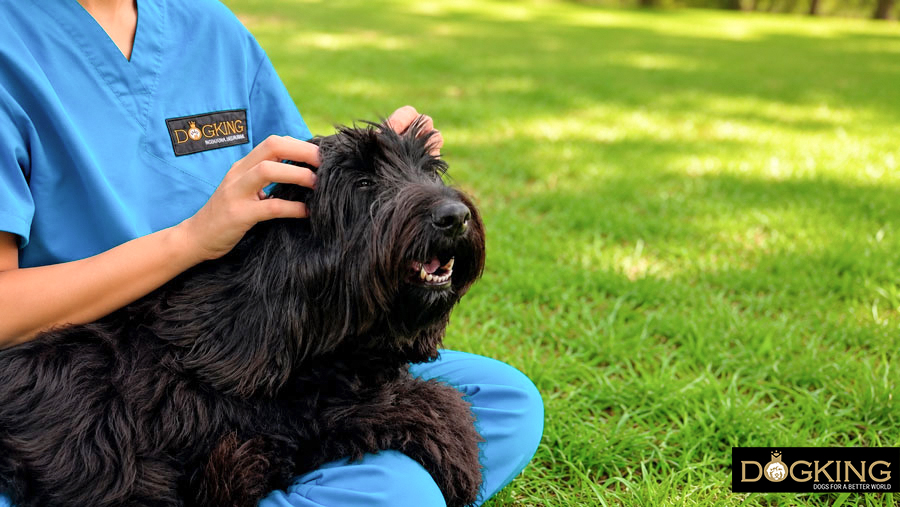
Table of contents
1. Benefits of relaxing massages for dogs
2. Massages for dogs: how to do it right
3. How to massage your dog step-by-step
4. What if my dog doesn't want to be massaged?
Benefits of relaxing dog massages
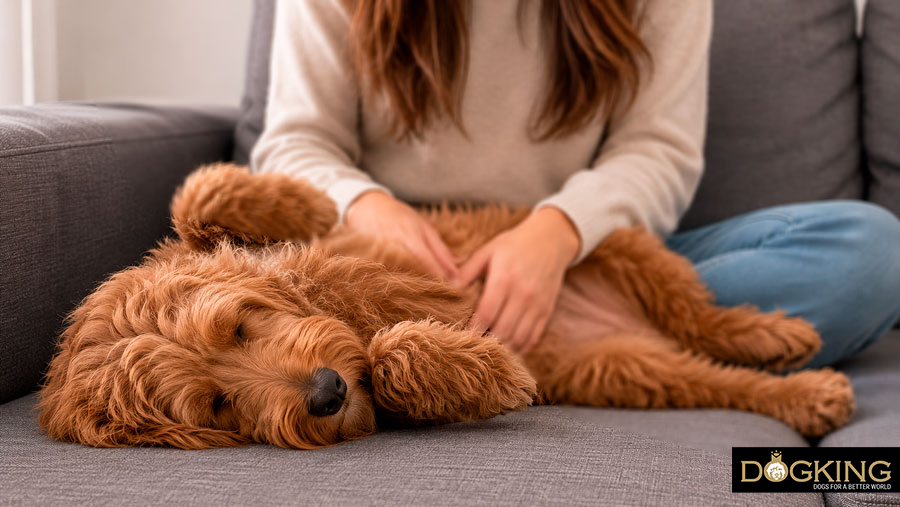
If your dog loves to be petted and cuddled, imagine how much they'd enjoy a relaxing massage session - they'll be as good as new! Beyond experiencing a pleasant moment, canine massages have very important benefits for the health and well-being of these adorable animals. Here are some of them:
- They stimulate circulation, protecting your pet's cardiovascular health.
- They are very relaxing and relieve muscle tension through heat, stroking and pressure. If your dog is nervous, a massage will do them a lot of good.
- It's a great way to detect abnormalities in your dog's coat, skin or body, such as wounds, thickening, lumps or even parasites.
- It strengthens your bond and trust through handling.
- Makes them feel loved through contact, improving their mood through the release of oxytocin.
- Increases flexibility and relieves muscle stiffness, which is especially beneficial for older dogs.
Massages for dogs: how to do them right
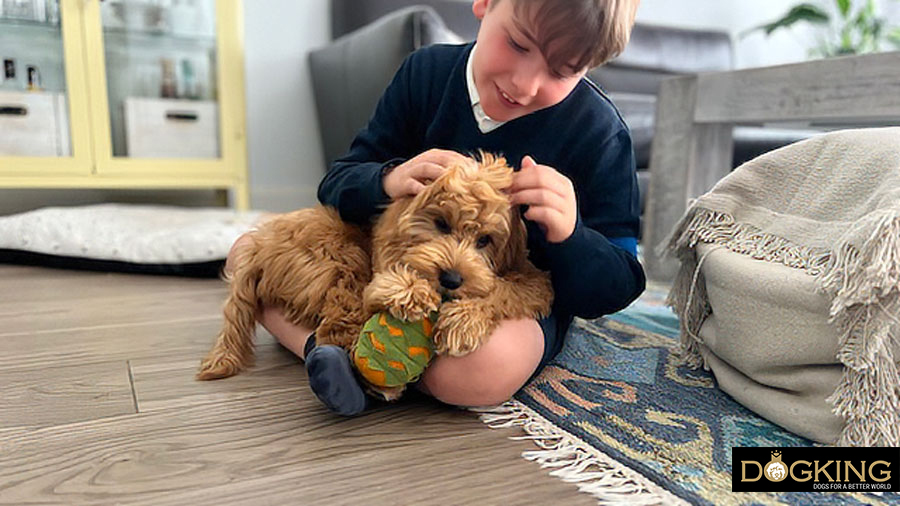
Relaxing massages are very beneficial for dogs, although you may not know how to start massaging your pet or you may be afraid of getting it wrong. Don't worry, this type of massage uses gentle pressure and very simple movements to relieve tension and relax your furry friend, giving them a very pleasant sensation. Before you get down to work, take into account these recommendations to give your dog a massage in a safe and comfortable way for both of you.
- If your dog is older, has a special health condition or has recently undergone surgery, check with your vet before giving them a massage.
- Start with short 5-10 minute sessions to see how your dog reacts. If they like the massage, you can gradually extend the duration.
- Don't force your dog if they are uncomfortable with the massage. Keep an eye on their body language to see if your touch is pleasing or if they prefer to stop.
- The ideal time to give your dog a good massage may be after a long walk or after waking from a nap, but it is best to avoid the time after a meal or before exercise.
- The strokes and movements of the massage should be in the direction of your dog's hair growth, otherwise you may irritate their skin and the sensation will not be pleasant.
- For your dog's massage session, choose a quiet place, with no distracting stimuli. You can even play some soft music. Make sure your dog lies down on a comfortable surface.
- If you're wondering where to position yourself to massage your dog, the best place is in front of their paws, although you can position yourself right between them if your pet is very large.
How to massage your dog step by step
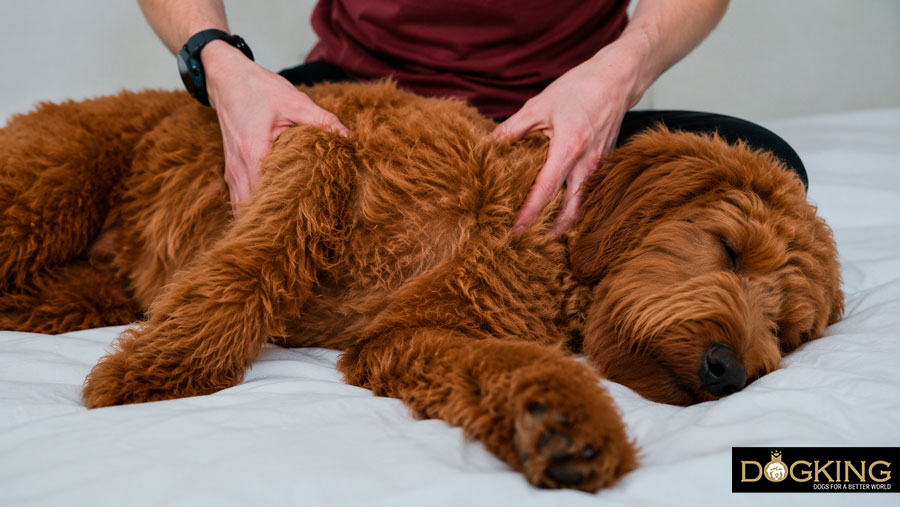
Once you have created a relaxing atmosphere for massaging your dog, start by asking them to lie down or simply giving them a few strokes to encourage them to do so. Here are the techniques and movements for this canine massage that will make your furry friend feel like they are in seventh heaven.
- 1. Head and neck: start with your dog's head, giving gentle strokes from their nose to their neck, passing through the cheeks. Begin with an open hand and then switch to circular motions with your thumbs at the nape. Don't forget the ears: massage them gently with circular movements using your thumb and forefinger.
- 2. Shoulders: slowly work your way down to the shoulders with slow, gentle circular movements. Dogs cannot reach this part of their body with their tongue or paws, so they will greatly appreciate the contact.
- 3. Back and hips: dogs, especially nervous or very active ones, tend to accumulate tension in this part of the body. To relieve it, give small, quick, gentle pinches on their skin and muscles. These vibrations help relieve stiffness. You can also make circular movements with your index and middle fingers along their spine. Finish by kneading the muscles with your hands. If your dog has hip problems such as dysplasia, consult your vet.
- 4. Chest and tummy: dogs love having their tummy touched, so for this area we suggest simple yet effective strokes from top to bottom with light pressure.
- 5. Paws: not all dogs like having their paws touched, but if yours allows it, gently stretch their joints by holding them by the armpit. Glide your hand up and down, pausing on the pads to make small circles with your thumbs. If your pet is older or has joint issues, ask your vet first.
What if my dog doesn't want to be massaged?
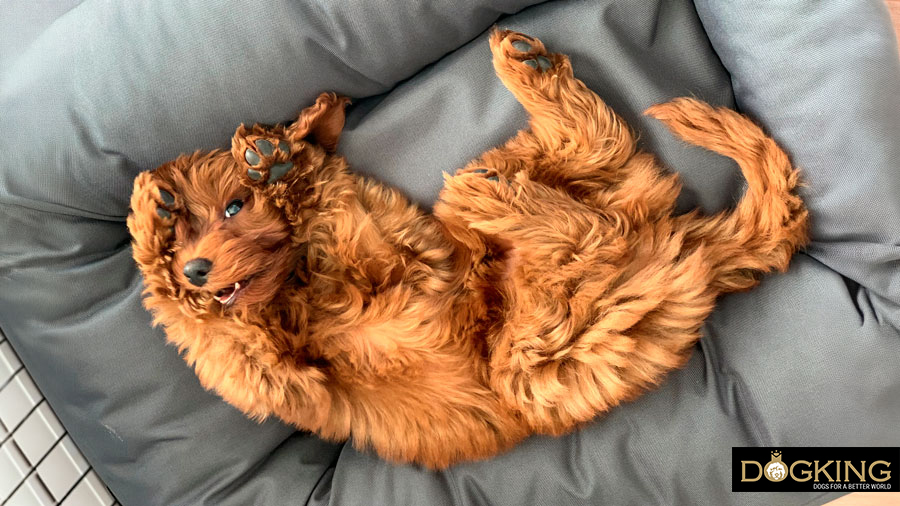
Massage has many health benefits for dogs. However, not all dogs like this kind of constant contact. As much as you may want your pet to benefit from the therapeutic properties of massage, and as much as you may be happy about it, it's what your pet needs that's important. So don't force the situation, and if after a couple of attempts, they show no interest or even refuse the massage, spend that time doing other activities that they really enjoy, such as playing or going for a walk. Some breeds are, by nature, more relaxed and more contact-oriented, such as the Australian Cobberdog, which enjoys cuddles, attention and, of course, massages. If this is also the case with your dog and you notice that massages are pleasurable for them, give them whenever you want to relax them, relieve their tension or simply to show them how much you love them. Besides, when it comes to canine massages, experience is a skill. After several sessions, you'll know exactly which movements and areas your dog likes best, so you can make the massage even more rewarding for your dog. Enjoy!