Euthanasia in dogs: when is it the best option and how to deal with it?
Everything you need to know to make this difficult decision.
WHAT IS EUTHANASIA FOR DOGS?
Approximate reading time: 8 minutes
When a dog is part of our family, it is also part of our heart. It is therefore very distressing to think that the day will come when they will no longer be by our side. Although we would all like our furry friends to live many more years, death is as natural as life itself, and sometimes, at a very advanced age that diminishes the dog's capacities, or due to serious illnesses with no prognosis of improvement and that cause suffering to the animal, the idea of euthanasia arises as a humane and compassionate alternative.
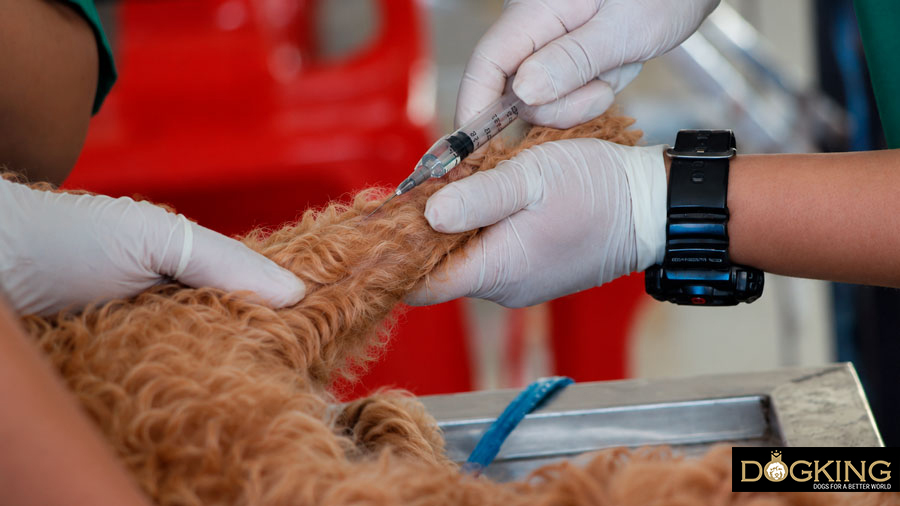
Euthanasia is a fully controlled veterinary procedure to ‘put a dog to sleep’ without the dog experiencing any pain. In fact, the animal is always deeply anaesthetised first, so that it remains unconscious and does not feel any discomfort. Making the decision to euthanise our dog is extremely difficult and painful, as it puts the responsibility on us to end the life of our best friend. However, thinking altruistically and focusing on avoiding suffering and deterioration when their state of health is not going to improve, can help us to make this decision. In this article we explain everything you need to know about euthanasia to help you and accompany you in this complicated dilemma.
Table of contents
1. When do you know the time has come?
3. When is euthanasia not tolerable?
4. After euthanasia: coping with loss
When do you know the time has come?
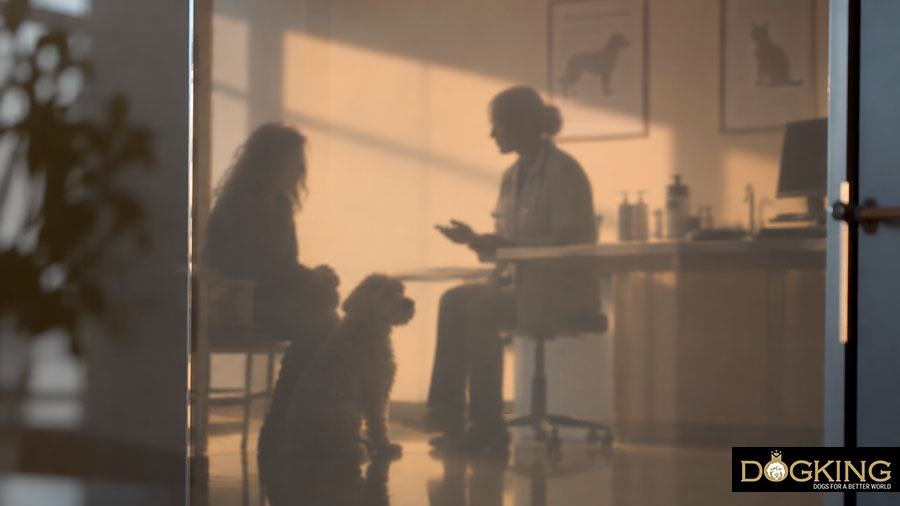
If only we never had to say goodbye to our pets, but the death of our dog is inevitable and, sometimes, nature takes over with diseases that cause serious deterioration to the animal. Likewise, a very advanced age can drastically reduce the quality of life of our pet. At this time, the vet will assess the possibilities of an effective treatment, the prognosis and probabilities of recovery and the level of suffering of the animal and, if they consider it appropriate under their professional criteria, they will consider the possibility of euthanasia, provided that there is no other alternative.
We, as the animal's guardians, will have to discuss this delicate and painful matter with the vet, asking them any doubts we may have about our dog's state of health, what their quality of life will be like if we refuse euthanasia and what this process will consist of. Making this decision is really difficult, especially because very intense feelings and a complicated moral debate come into play. However, in order to help you along the way, here are some questions to ask yourself (and, of course, to discuss with your vet):
- Is my dog able to walk on its own, i.e. does it have autonomy?
- Do they have an appetite or do they want to eat and drink?
- Do they spend time awake or do they sleep all day?
- Can they control their sphincter?
- Do they show signs of pain or suffering?
- Is their mood good or do they seem down?
How do you euthanise a dog?
In many cases, having more information about an issue helps us to understand it and to be more at ease by giving us a greater sense of control. If you need more information about the euthanasia process, don't hesitate to ask your vet any questions you may have. As we have already explained, euthanasia is a veterinary technique that consists of inducing the death of the animal in a completely painless way. First of all, an IV is placed in the dog's leg to administer sedation, just as if it were an operation. If there are problems in placing it, there are other methods of doing this. At this point, a deep anaesthetic is administered and it is ensured that the animal is completely unconscious. The last step is to administer intravenously the drug that will ‘put the dog to sleep’. This process usually takes about 30 minutes in total.
When is euthanasia not tolerable?

The euthanasia procedure should only be assessed and suggested by a veterinarian in one single circumstance: the dog, either due to advanced age or illness, is suffering, experiencing pain and/or their quality of life is very limited (if they cannot fend for themself and spend the whole day sleeping, for example). But, most importantly and justifying this decision, there are no other alternatives: there is no treatment and no expectation of recovery or improvement.
However, euthanasia is not acceptable in any of these cases. When an animal is ‘put to sleep’ for any of these reasons, we are talking about slaughter, not euthanasia, as the reasons for euthanasia are always altruistic (thinking of the welfare of the dog) and humane.
- If there is overpopulation in an area.
- If the dog has aggressive behaviour.
- In kennels, if there are not enough places because there are not enough adoptions.
After euthanasia: how to cope with loss

Saying goodbye to your furry friend, especially if the progress of the disease or its deterioration has been rapid, can be very complicated. However, even if you have time to prepare yourself mentally, you are never ready to say goodbye to such a special friend. After euthanasia, it is natural to feel sadness and longing for your pet's death, but also feelings of guilt or doubt as to whether you have made the best decision. This phase is normal and is part of grieving. Losing a pet can be as painful and intense as losing a family member or friend, so be patient with yourself and don't resist feeling the natural grief and bereavement in this situation. As for how to remember your furry friend, that's very personal. Some owners prefer to keep their ashes, while others are better off keeping a photo in the house, keeping some of their toys or even getting a tattoo.
In time, all that grief you feel will turn into nostalgia, but also into happiness for having shared so many unforgettable moments with your dog and having accompanied them throughout their life. Looking at the situation in perspective, you will understand that you did what was best for them, as prolonging the suffering when there was no chance of improvement would have been useless. Later, perhaps, you will even open your heart to the love of a new furry friend. Because although it is devastating when they leave, pets bring us so much happiness that they are always worth having in our lives.