What is giardia in dogs and how is it cured?
Giardiasis mainly affects puppies and immunocompromised dogs.

WHAT IS GIARDIASIS IN DOGS?
Approximate reading time: 8 minutes
One of the most frequent health problems in dogs, especially in puppies, is internal parasites, which colonise the intestinal tract of these animals, causing numerous alterations in their organism. Correct deworming of our pets is essential to keep these parasites at bay, as there are many varieties that can infect them and cause illness. One such disease is giardiasis, an infection caused by the protozoan parasite giardia duodenalis, also known as giardia intestinalis or giardia lamblia. This opportunistic organism can live in humans and animals, including dogs and cats.

Giardia in dogs comes in two forms, the trophozoite, which is the parasite that lives in the animal's body, and the cysts, which are a defence system for giardiasis to resist the environment and survive for months in the environment. Both types are infectious and can spread to dogs. But what are the signs that our dog may be suffering from giardiasis and what is the treatment?
Table of contents
1. Symptoms of giardiasis in dogs
2. How are giardiasis spread from dog to dog?
3. Is giardia spread from dogs to humans?
4. How serious is giardiasis in dogs?
5. Diagnosis and treatment of giardiasis in dogs
6. How can giardiasis in dogs be prevented?
Symptoms of giardiasis in dogs
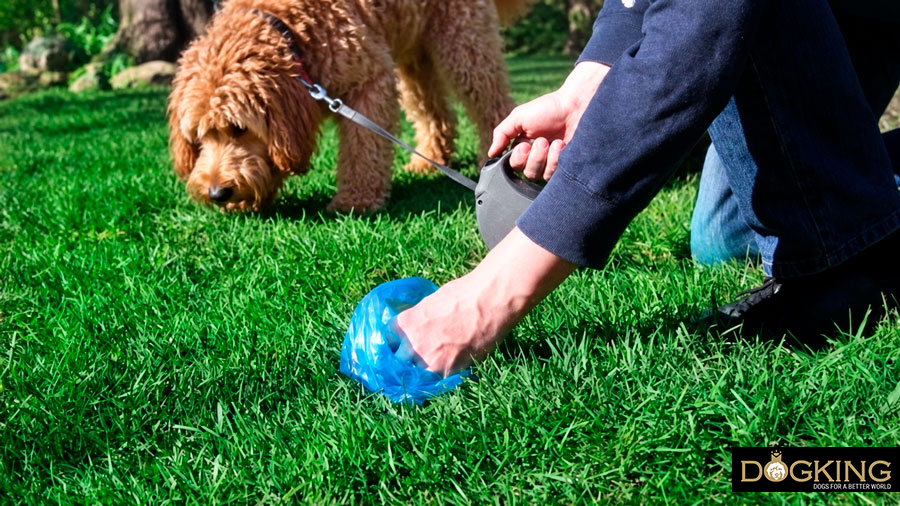
The main symptom of the presence of giardiasis in a dog's body is watery, soft diarrhoea. These stools are usually pale in colour and have a strong foul odour, and some mucus may also be present. This diarrhoea may become intermittent, and in some cases may be accompanied by fever or loss of appetite. This symptomatology tends to occur more frequently in puppies and immunosuppressed dogs, it must be taken into account that when a puppy is adopted the first days they suffer a very high stress until they adapt to their new family and new home, generating a lowering of defences in their body, being a key moment for them to become infected with giardiasis, not always when a dog is infected they presents symptoms, especially in adult dogs.
How are giardiasis spread between dogs?
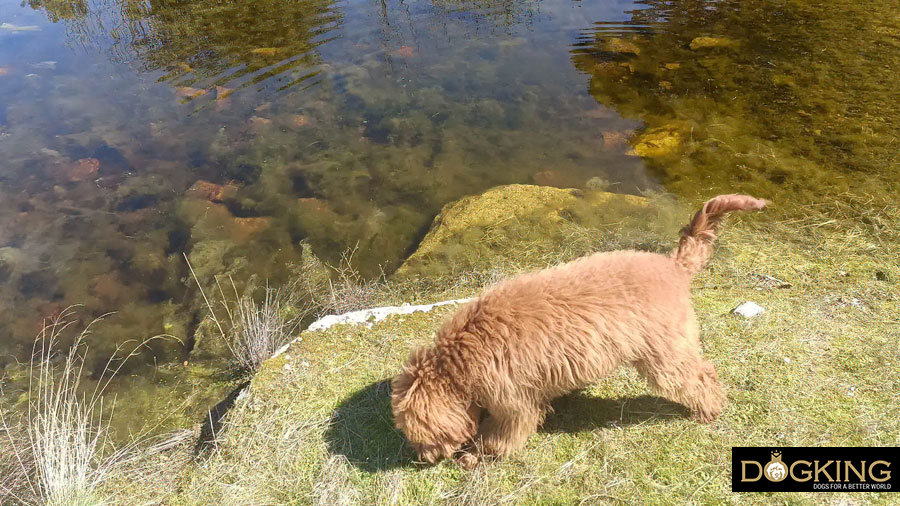
Giardiasis is easily spread from dog to dog through cysts in the faeces. These faeces can pass into water, soil and even contaminate food. Through direct ingestion of faeces from an infected dog or indirectly by drinking contaminated food or water, a dog can become infected with giardiasis.
Is giardia transmitted from dogs to humans?

Transmission of canine giardiasis to humans is possible, but unlikely. Dog-specific giardia is easily transmitted to other dogs and cats, but it is more difficult to spread to humans. However, an infected person can infect a dog. In any case, if your dog has been diagnosed with giardiasis, keep an eye on your dog's symptoms and consult your doctor at any sign of discomfort.
How serious is giardiasis in dogs?

In most healthy dogs, giardiasis infection has a good prognosis. If symptoms are present, with appropriate treatment, it can be reversed within a few days. However, in puppies, whose immune system is not yet fully developed, it is more difficult to control. The same applies to elderly or sick dogs.
Diagnosis and treatment of giardiasis in dogs

If you notice any symptoms in your dog that make you suspect giardia infection or any other parasite, it is important that you take your dog to the vet as soon as possible. Early attention will prevent parasites from proliferating in your dog's body and causing complications. Your vet will perform a stool test on your pet, which will result in a positive or negative diagnosis for giardia. If your pet has giardiasis and shows clinical symptoms, the veterinarian will prescribe medication based on fenbendazole or metronidazole, both of which are effective in eradicating giardiasis. ESCCAP (European Scientific Counsel Companion Animal Parasites) recommends using mainly Febendazole for 3 to 10 days. The most common is 5 days.
In parallel, it is recommended to use a chlorhexidine shampoo to remove any cysts that may be present in the hair on the dog's hindquarters. Adapting the diet during giardiasis is very important for recovery. It is advisable to offer a more digestible food, cooked pumpkin mixed with white fish is one of the best options. Probiotics can also be very helpful. Consult your vet to recommend the best treatment to strengthen your pet's intestinal microbiota.
Five days after treatment, it is advisable to repeat the blood test to assess the effectiveness of the treatment, and after 2-4 weeks, a follow-up examination can be done to rule out reinfection. In healthy dogs that show no clinical signs but test positive for giardiasis, treatment is not recommended.
How can giardiasis in dogs be prevented?
Maintaining good hygiene can help to combat canine giardia. If you have a garden or terrace and more than two pets (dogs or cats), avoid leaving their faeces on the ground and pick them up as soon as possible. On walks, avoid letting your dog drink water from puddles, lick things off the ground or ingest other animals' droppings. Some dogs may suffer from a condition called pica, which involves ingesting the faeces of other dogs, a very dangerous habit that can lead to parasites and other diseases.
If one of your dogs has giardiasis, once they have defecated, clean their intimate area with chlorhexidine so that another member of the pack does not become infected and collect the excrement immediately to avoid contact, and disinfect the surfaces with which they have come into contact. As for their toys, bedding or any other textiles, wash them at 60 degrees or higher to ensure they are well disinfected, as there may be giardia cysts on them.
In short, giardiasis is an infectious disease caused by the giardia parasite that usually affects puppies, young dogs, the elderly or dogs with low defences. The prognosis is usually positive, although re-infection or complications can occur in puppies and sick dogs. If you detect soft, pale diarrhoea in your dog, take them to the vet to rule out any pathology, including giardiasis. With proper diet and treatment, canine giardiasis is usually cured in a few days, although try to prevent it by maintaining proper hygiene of your dog and their things: bedding, dishes, toys and avoid eating poop, grass or drinking from places that could be contaminated, do not be afraid to socialise them educate them not to pick up things from the ground and very importantly maintain a natural diet to keep their digestive system strong and healthy.