How much exercise your dog needs
The amount of physical activity that dogs require depends on several factors
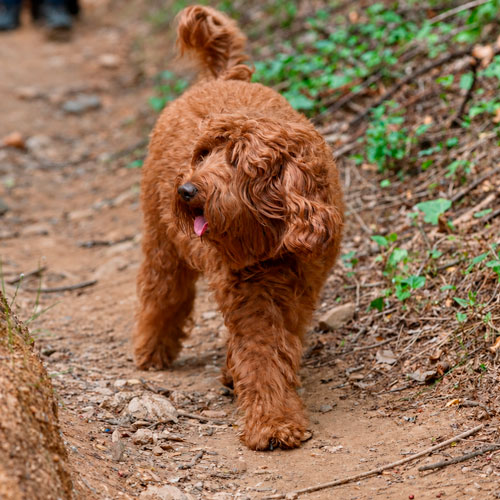
THE BENEFITS OF EXERCISE FOR DOGS
Approximate reading time: 8 minutes
As with people, you probably know that physical exercise is one of the priorities you should have with your dog, as it is one of the pillars of their health, along with food. However, in this article we want to go one step further and convince you how vital it is for them to stay active through walks, play and other physical activities. Exercise has a powerful impact on your dog's physical and mental health. By allowing them to unleash their pent-up energy, it prevents problems such as anxiety, boredom, depression and compulsive or destructive behaviours. On a physical level, fitness protects their muscles and bones, fights obesity, diabetes and a host of other diseases.
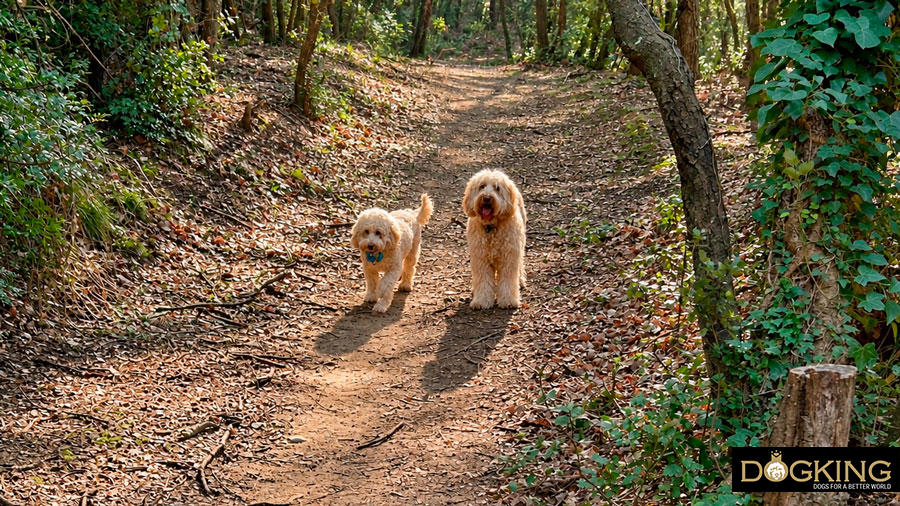
But how much physical exercise does a dog need to do to have a positive impact on their health? To answer this question, the following factors must be taken into account:
- The dog's age
- Their breed and size
- Their state of health
- Their character
Table of contents
1. How much physical exercise does a dog need according to their age?
2. Ideas for exercising with my dog
3. Tips for exercising your dog
How much physical exercise a dog needs according to their age
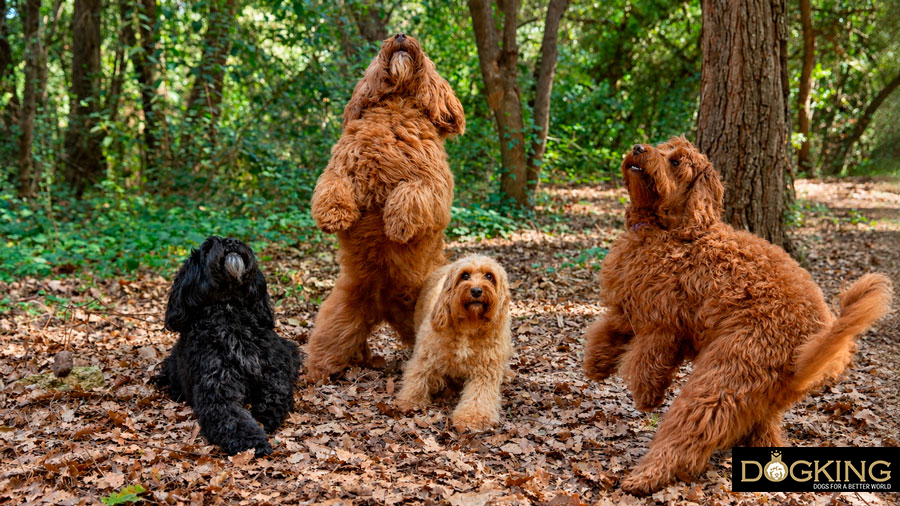
Your dog's age is a determining factor in their physical activity needs. Depending on their age, energy levels will be higher or lower, and although these also vary according to your dog's breed and personality, there are usually no exceptions to the fact that a puppy will always have more vitality than an older dog. These are the exercise requirements of dogs at different stages:
How much activity does a puppy need?
There is no doubt that puppies have boundless energy. No matter how much we play with them, they always surprise us with their mad dashes, a very typical behaviour at this age with which puppies release their excess energy. However, we must not forget that puppies are still developing their muscles and bones, so it is not advisable to over-exercise them. Ideally, if they have had all their vaccinations and are able to leave the house, we should combine several walks throughout the day with some sniffing play sessions at home. In any case, avoid high-impact activities and progressively increase the intensity of the exercises.
How much should I exercise my adult dog?
In adult dogs, the need for physical exercise is determined mainly by the breed and the temperament of each animal. In general, hunting breeds, shepherds and dogs such as terriers or retrievers have a higher energy level, which they need to burn off through physical activity. In these cases, it is recommended to exercise them by walking and playing for 2-3 hours a day.
The Australian Cobberdog breed is a breed with very balanced energy that enjoys long walks, not forgetting that the walks should be varied to stimulate the sense of smell of our furry and at least one a day on a long leash (not flexi) or loose to enjoy the environment and socialise in freedom in safe areas, fenced parks, forest ...
However, smaller (toy) dogs, such as the Pomeranian or the Chihuahua, as well as giant dogs, such as the St. Bernard or the Great Dane, have less need to burn energy.
However, not all dogs of a breed are the same. Some dogs are more active and some are calmer, regardless of breed, so we recommend that you pay close attention to your dog's signs of tiredness and tailor physical activity to their particular needs. Also, if you're trying to introduce your dog to a new exercise routine, remember to take it slowly. If your dog suffers from any health problems and you are unsure what type of exercise is right for them, consult your veterinarian for a specialised routine.
How much exercise should an older dog get?
As a general rule, we consider a dog to be old after 10 years of age, depending on the breed. Many owners may think that at this advanced age it is no longer advisable for the animal to exercise, but nothing could be further from the truth. Although it is true that we will have to adjust the intensity of the activity to the lower energy of our senior dog, this will help them to stay agile, avoid the deterioration of their joints and muscles, obesity and other common ailments at this stage of their life.
For senior dogs, short walking sessions several times a day are recommended, although the length of time depends on the individual pet and their health conditions. As with puppies, high-impact exercise should be avoided. If your dog has joint problems, swimming is a highly recommended activity. It has multiple cardiovascular benefits and will not cause wear and tear on their bones. In any case, knowing your dog well will give you the key to know when they are tired and need to stop.
Ideas for exercising with my dog
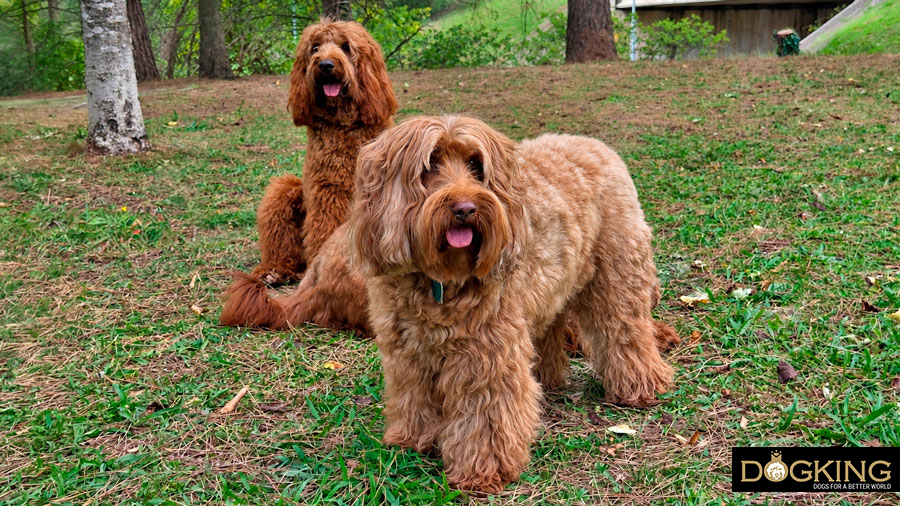
Walking with your dog is great, but if you want to stimulate them even more, both physically and mentally, here are some ideas for games and activities you can do with them to keep them active, healthy and full of vitality. If you know your dog well, you will surely know which games are their favourites.
- Practising tricks such as kibble or playing dead.
- Playing hide and seek.
- Tossing the ball (but in moderation to avoid stress and obsession).
- Canicross or running with your dog (you will need a special harness).
- Home gymkhanas or agility circuits in your town.
- Going out in nature.
- Playing with other dogs in the park.
Tips for exercising your dog
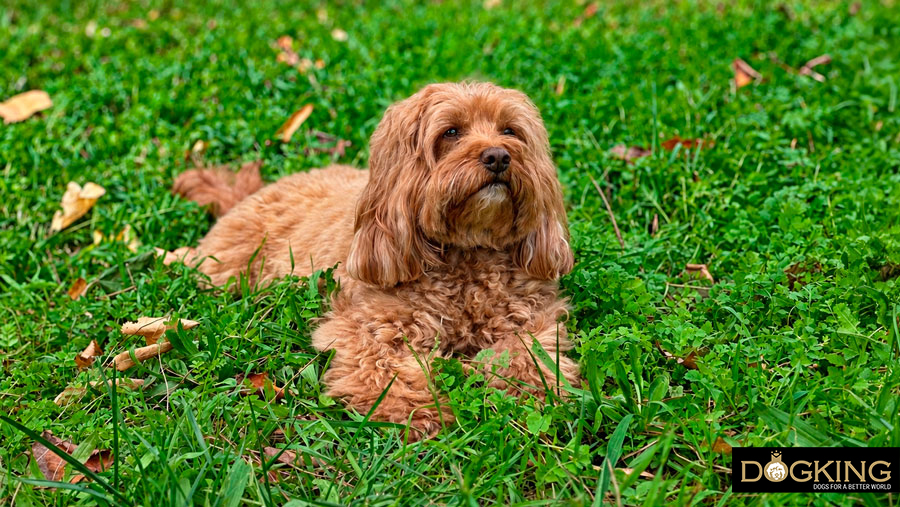
Enjoying an exercise session with your dog is a fun activity that strengthens the bond between you. However, it is worth taking note of these tips to ensure that these workouts are satisfying and enjoyable for your furry friend.
- Avoid exercising with your dog at very hot or very cold times or days.
- Do not exercise your dog if they have just eaten or drunk a lot of water, as they could suffer stomach torsion, an acute, very painful and life-threatening process.
- Adjust the intensity and duration of exercise according to your dog's signals. If your dog lies down, is panting intensely and does not respond to your attempts to continue the game, respect them and let them rest and recover.
- Complement physical exercise with mentally stimulating activities for your dog, such as scent mats or kong toys.
- Offer your dog activities they enjoy both indoors and outdoors, not forgetting socialisation with other members of their species.
As we have already said, physical exercise is a basic pillar of your dog's health. If you want to extend their life expectancy and improve their physical and mental condition, offer them physical activity sessions adapted to their age, health, breed and temperament on a daily basis. A dog that exercises regularly is a more balanced, healthy and relaxed dog. Let's go for it!