The benefits of swimming for dogs
A very complete exercise to refresh your pet
IS SWIMMING GOOD FOR DOGS?
Estimated reading time: 7 minutes
With the arrival of warm weather, swimming plans multiply, with days at the beach, trips to the river and afternoons at the pool. Enjoying the water, whether it's a relaxing swim or swimming, is very beneficial for people's physical and emotional health. But what about dogs, is it good for your pet to swim, can all dogs swim and what are the health benefits of swimming for dogs? If you want to enjoy a summer soaking in the water with your furry friend, this article explains why swimming is a fantastic and very complete exercise that contributes to improving their health.
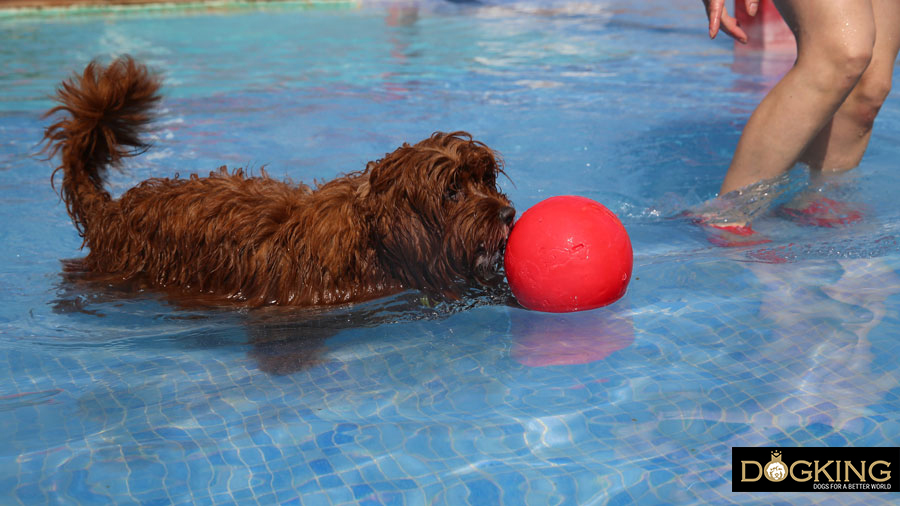
Table of contents
1. The positive effects of swimming in dogs
• Increased muscle development
• Improves coordination and agility
• Reduces stress and stimulates their senses
2. How do I teach my dog to swim?
3. Swimming for dogs, yes, but safely
The positive effects of swimming for dogs
Not all dogs enjoy the water or are adept at swimming, but the truth is that swimming is a highly recommended sport for any dog, whether as a recreational or therapeutic exercise. If your pet is one of those that enjoys being in the water, here are some of the benefits that swimming can bring.
1. Combats obesity
If your dog has a few extra pounds or you want to prevent them from gaining weight, swimming is one of the most complete activities you can choose, as it helps both muscle development and fat burning. In addition, water completely eliminates the impact of land sports, which, especially in dogs with obesity, causes wear and tear on bones and joints. With swimming, your dog will burn energy in a healthy way, increasing their muscle mass and protecting their skeleton, and they'll have a great time too!
2. Increases lung capacity
Swimming is both a strength sport and an aerobic exercise that helps to improve your dog's lung capacity. With regular swimming practice, your pet will increase their respiratory endurance, which will have a positive effect on their cardiovascular system. If you want to protect your dog's lungs and heart, swimming is an excellent alternative.
3. Increased muscle development
Swimming is a very effective exercise, as the resistance of the water makes your dog's muscles work harder. In fact, one minute of activity in the water is equivalent to 4 minutes of land-based exercise. Thanks to swimming, your dog will be able to increase their muscle mass, which is very important for preventing injuries and protecting their bones. In addition, having a healthy musculoskeletal system will allow your dog to enjoy a less deteriorated old age and a better quality of life.
4. Improves coordination and agility
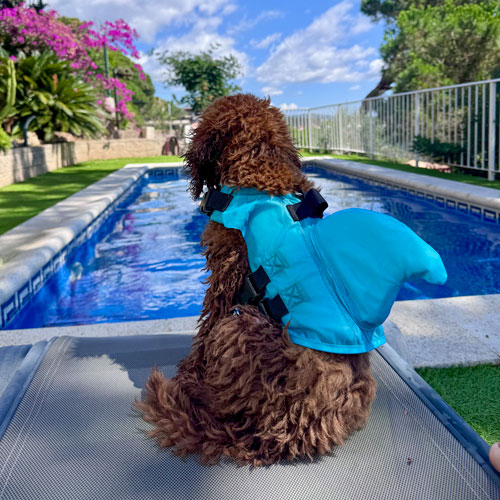
Swimming can help your dog become more coordinated and agile, especially if you teach them to swim as a puppy when they are still developing their muscles. As a low-impact sport, swimming is suitable for growing dogs, unlike other land-based exercises that can damage joints and bones. If you want your puppy to develop healthily and improve their psychomotor skills, teach them to swim gradually, with the help of special life jackets at first.
5. Reduces stress and stimulates their senses
Dogs are very curious and restless animals who enjoy being surrounded by all kinds of different stimuli. If your dog has been properly socialised, it will not be difficult for them to adapt to places with water, such as the beach or a river, thus enriching them with new sights, smells, sounds... Swimming can be a very positive activity for your pet's mental health, as it will also help them to give free rein to their energy, making them feel more relaxed. Swimming is a highly recommended sport for dogs that are overactive, nervous or even shy, although we should always get our dog used to the water little by little, without forcing it.
6. The most refreshing sport
Exercising with your pet in summer can be quite a challenge. It is advisable not to do sport with your dog during the hottest hours of the day, but sometimes, even in the early morning and in the afternoon and evening, temperatures are still very high. A good alternative in these cases is to take your dog swimming. This way, they will get some exercise but also cool off in the water.
7. Swimming as therapy
Hydrotherapy or water therapy is widely used for dogs with paralysis, arthritis, hip dysplasia and other muscle and bone related problems. This type of therapeutic swimming is performed in specialised clinics by professionals. If your furry friend has any of these problems, don't hesitate to learn more about swimming therapy to help them recover or make them feel better.
How do I teach my dog to swim?

As with any new habit you want to introduce into your dog's life, if you want to introduce them to swimming in the sea, river or pool, you'll need to expose them to it gradually. While it is true that most dogs instinctively know how to swim, some breeds, such as brachycephalic dogs and greyhounds, are not so good at it. That's why we recommend that you start by taking your dog to areas with shallow water, so that they can gradually become accustomed to the aquatic environment. If you notice that, either because of their breed or for whatever reason, your pet has difficulty swimming, you can fit them with a dog lifejacket.
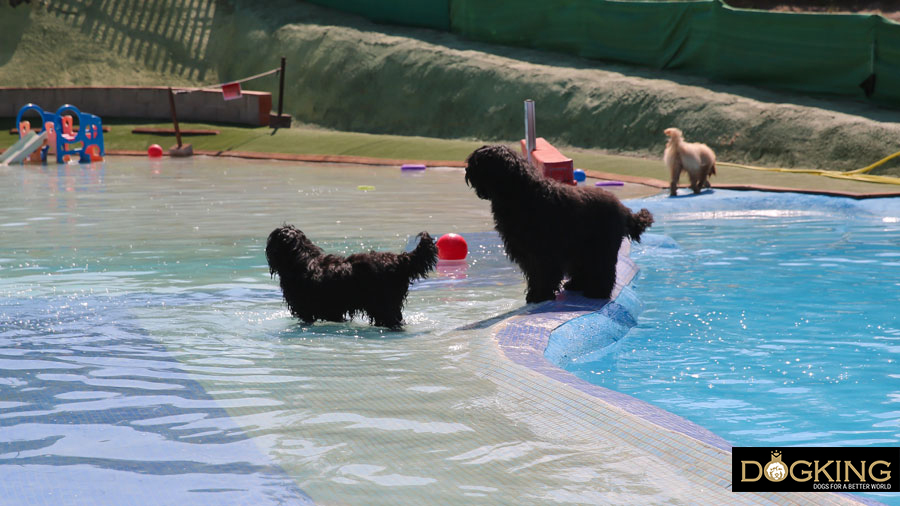
The most important thing in these first forays into the water is that you do not leave your dog alone and that each swimming session becomes an opportunity to play. Use their favourite toys and encourage them with loving, reassuring words to make them feel safe. It is best to do this first approach to swimming in puppyhood, but you can teach your dog to swim at any time. It can also help if there are other dogs swimming in the water, so your dog will imitate their companions because they will know there is nothing to be afraid of. What you should never do is force or scold your dog if they don't want to swim. Swimming and bathing should be positive experiences for the animal, otherwise they could develop fear and even a phobia.
Swimming for dogs, yes, but safely
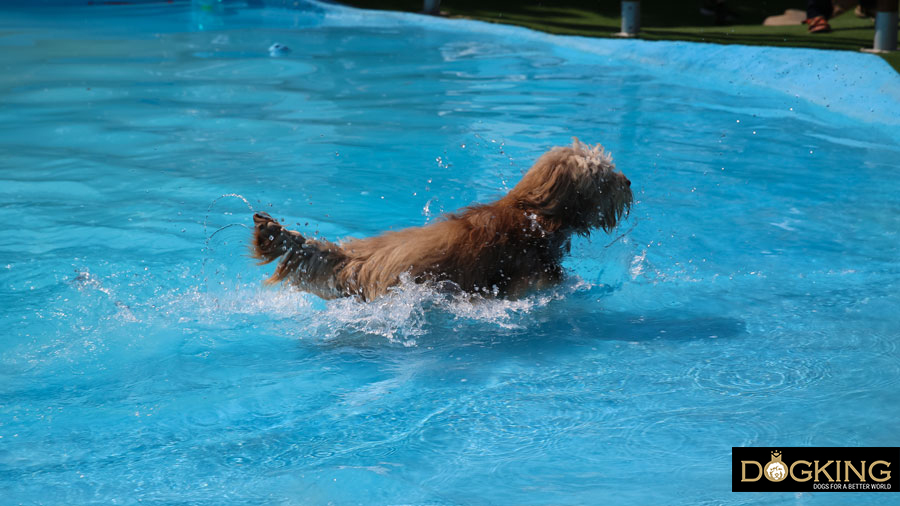
For your dog to enjoy the benefits of swimming safely, we advise you to opt for calm but not stagnant water. Prioritise slow currents or, if you are in the sea, tides with few waves, as with totally stagnant water there is a greater chance of infection with parasites. If it is a swimming pool, beware of chlorine and other chemicals that are commonly used. It is preferable to buy a dog pool with natural water, as these substances can irritate your dog's eyes and skin.
To prevent your dog from drinking water from the sea or elsewhere, offer them their portable water bowl with fresh water on a regular basis. After bathing, wash them with plenty of clean water to remove any dirt and be sure to dry their ears thoroughly to prevent them from developing otitis.
Of course, to keep your furry friend safe from parasites and infections, it is vital that you keep their vaccinations and deworming up to date, and that you don't let them out of your sight at any time on your water excursions. Ducks to water!