Can dogs get insomnia?
Find out why your dog doesn't sleep well and how you can help.
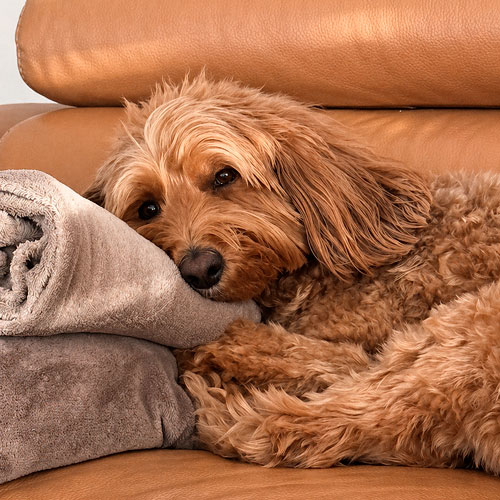
HOW DO DOGS SLEEP?
Estimated reading time: 8 minutes
A good night's sleep is synonymous with health. This is not only true for us humans: it is also true for our beloved furry friends. Dogs need a good night's sleep to recover the energy they expend during the day. However, as strange as it may sound, this is not always the case. Just like people, dogs can also suffer from insomnia, a disturbance in their sleep cycles that results in fewer hours of rest and poorer quality sleep. But how much sleep does a dog normally get and why does canine insomnia occur?
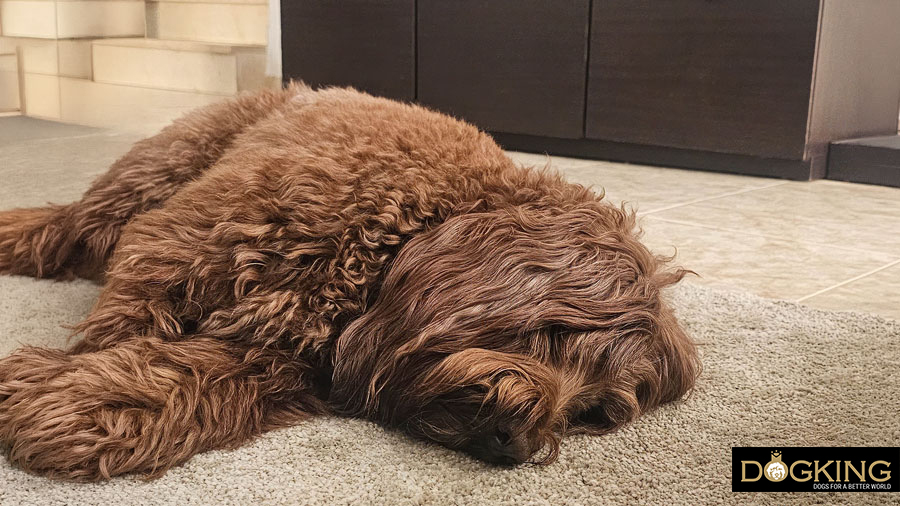
The amount of sleep dogs get varies according to different aspects, such as age, breed and activity level. As a general rule, we can consider it healthy for an adult dog to sleep around 13 hours, most of which overlaps with our night-time sleep, supplemented by shorter naps throughout the day. For puppies, the rest time can be as long as 18 hours due to the increased activity level and the wear and tear of constant learning and development at this age. If you notice that your pet sleeps well below these figures, does not rest at night when the rest of the family does and you notice that they are listless, apathetic or irritable, it is time to visit the vet to find out the cause of their insomnia. This sleep disturbance may be caused by health problems or deficiencies in lifestyle and environment.
Table of contents
1. Most common causes of insomnia in dogs
2. How can I help my dog with insomnia to sleep better?
3. What happens if your dog doesn't sleep properly?
The most common causes of insomnia in dogs
If you notice that your dog is not sleeping well, it is imperative that you find out the reason for this problem. Carefully observing their day-to-day life will give you the answers you are looking for. Ask yourself about their diet, whether they get enough exercise, if you have noticed any changes in their behaviour or if they show signs of anxiety... Perhaps there has been something new in the family that has altered their routine, such as moving house or the arrival of a new member of the household. Assessing all these aspects together with a veterinary professional, as well as carrying out the necessary tests to rule out health problems, will allow you to find the cause of your dog's insomnia. Only then will you be able to help them to regain their normal sleep pattern so that they can go back to sleeping soundly again. Let's take a look at the most common causes of insomnia in dogs.
• Lack of exercise
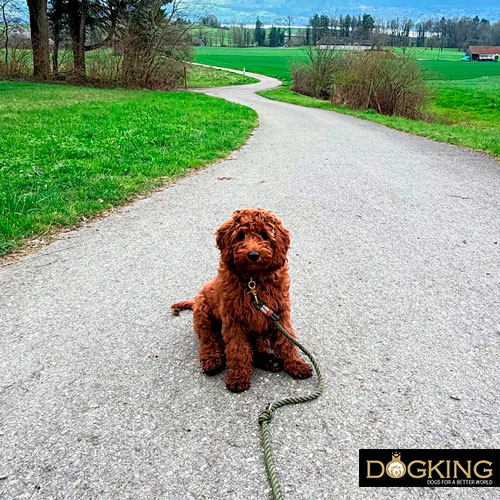
The most common cause of insomnia in dogs has to do with a lack of physical activity. In the hustle and bustle of everyday life, with work and obligations, many people find just enough time to briefly walk their dog a couple of times a day. But this is not enough. Dogs need to burn off their energy to feel calm and balanced. It is important that they walk, run, jump... If your dog is very active, you can do agility or canicross circuits with them. And don't forget mental stimulation and smell. Kong toys and scent mats are a great way for your dog to burn calories and arrive at the end of the day tired and relaxed. They can then enjoy a pleasant and restful rest.
• Stressful environment
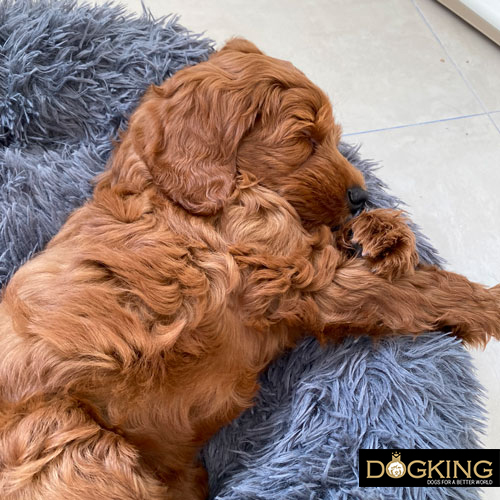
Just like people, dogs need a nice, quiet place to sleep well. Noisy, cluttered environments, extreme temperatures, fireworks or strong smells could disturb their rest, making them feel tired and irritable during the day. Try to place your furry friend's bed in a quiet and acclimatised place, without air fresheners or artificial aromas and, on holidays and fireworks, separate their sleeping area as much as possible from the windows.
• Uncomfortable bed
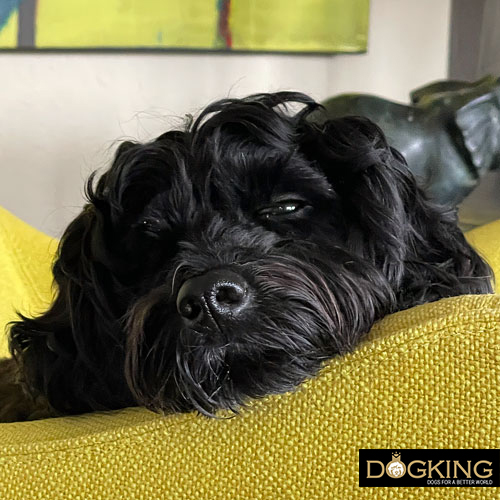
A bed that is too small, too big or of poor quality may be the cause of your dog's insomnia. When choosing a bed for your furry friend, invest in quality and choose a model adapted to their size and needs and made of a good material that is breathable and soft. Also, to make it even more comfortable in winter, add a blanket to keep your pet warm and happy and relaxed.
• Allergies

If your dog suffers from an allergic skin problem, the burning and itching they will feel all over their body will affect their rest and prevent them from sleeping. In this case, you will notice that your dog will scratch and lick excessively while trying to fall asleep. If you notice these symptoms, take them to the vet for appropriate treatment to relieve the itching and allow them to get a good night's sleep.
• Parasites
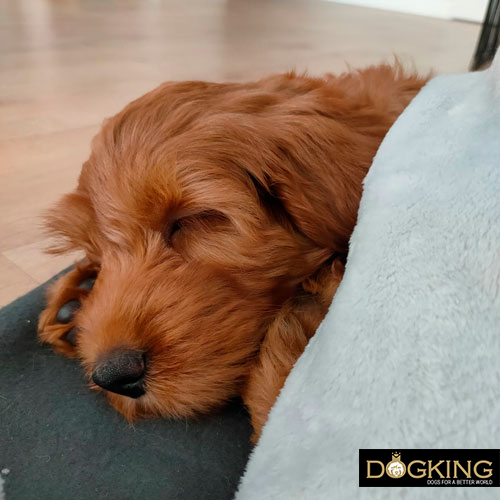
Another common cause of insomnia in dogs is infection by parasites, either external or internal. If your pet has fleas, for example, the itching and discomfort will keep them awake. In the case of internal parasites, digestive discomfort and other associated symptoms will also keep them awake all night. Arrange a veterinary check-up to rule out the presence of parasites in your dog - and don't forget to deworm them properly!
• Joint pain
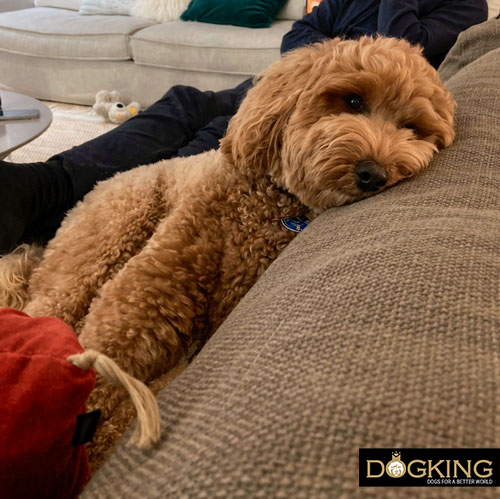
Older dogs can suffer from bone pain, especially if they suffer from osteoarthritis or spinal pathology. As a result of this discomfort, they may stop getting enough sleep, which will not only worsen their health problems by not getting enough rest, but will also make them feel much more tired and listless. If you think this is what is happening to your furry friend, consult your vet to try to alleviate these aches and pains and help them sleep better.
• Heavy digestion

I'm sure you've had a bad night's sleep after a hearty dinner. Well, the same thing can happen to your pet. If your dog is used to eating large meals just before going to sleep, it is normal for their sleep to be affected by heavy digestion. To avoid this, try to give them the last meal of the day at least 2 hours before bedtime. In addition, avoid binge eating or anxious eating. You can use a kong or special meals to get them to eat more slowly.
• Overstimulation
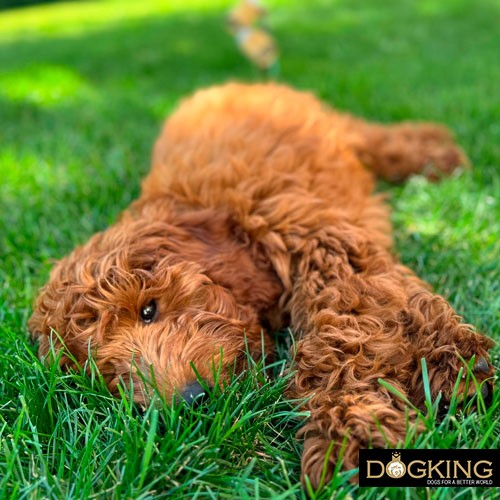
It's just as bad if your dog doesn't get enough physical and mental stimulation during the day as it is if you over-stimulate them with too much activity just before bedtime. If your dog is too active just before bedtime, insomnia will set in, disrupting their rest and recuperation. So leave the most intense playtime for the morning or early afternoon and try to reduce your dog's activity as the day draws to a close.
• Fear and anxiety
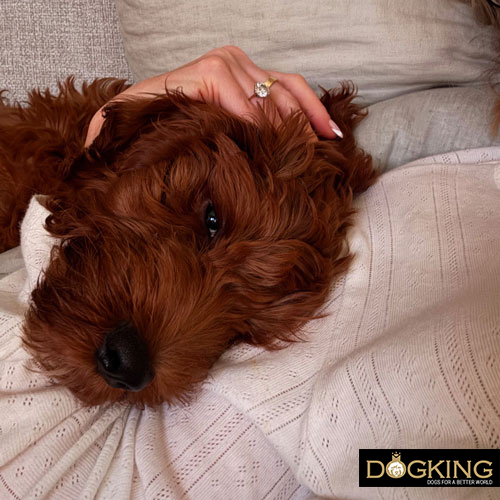
Whether it's fireworks, thunderstorms or other street noises, or a lack of adjustment to the home (for example, in puppies that have just arrived in the family), fear and anxiety are common causes of canine insomnia. If these emotions in your dog are due to a one-off situation, give them time to adapt and do not force them under any circumstances. Ideally, any changes that affect your dog's routine should be made gradually. If you do not know the reason for your dog's anxiety, or if you notice that they are nervous, reactive and disorientated on a daily basis, consult an ethologist to help them regain their balance and sleep.
How can I help my dog with insomnia sleep better?
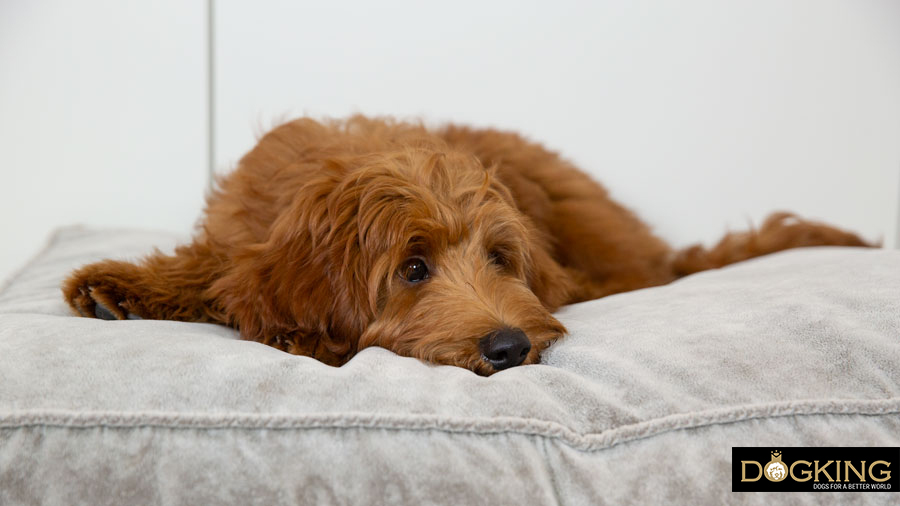
In addition to seeking veterinary care to discover the root of your dog's insomnia, here are some additional tips to help your dog rest:
- Make sure they get plenty of daily exercise.
- Offer them a comfortable bed in a quiet resting place.
- Give them a relaxing massage for dogs: it will help them to eliminate tension and fall asleep faster.
- Listen to relaxing dog music together: science shows that music therapy is effective for dogs, and if you relax too, your furry friend will “catch the bug” and feel calmer before bedtime.
- Set a schedule: routines help dogs feel better. Whenever possible, set a specific time for walks, meals and bedtime.
What if your dog doesn't sleep properly?
Dogs need a good night's sleep to repair muscle and bone tissue, fix learning through neural connections and recover from the wear and tear of the day. Without the right sleep pattern, your pet's health could suffer. You'll find them listless, irritable, unmotivated and their immune system may be compromised, making them more vulnerable to infection and disease. So don't let your dog's sleep problems go unnoticed. If you notice any changes in their sleeping patterns, consult your vet.