Cognitive dysfunction syndrome in dogs: how to help them?
Symptoms and treatment of this degenerative disease in senior pets

WHAT IS CANINE COGNITIVE DYSFUNCTION SYNDROME (CDCS)?
Approximate reading time: 8 minutes
In recent times, the life expectancy of dogs has been increasing due to increased knowledge of dog care and advances in veterinary science. However, the increased longevity of these animals has increased the prevalence of the so-called cognitive dysfunction syndrome (CDS). In this neurodegenerative disease affecting older dogs, the central nervous system begins to suffer alterations and the brain begins to fail. As a result, a number of changes in the pet's behaviour will occur and the pet may become more disoriented, dependent, anxious or apathetic.
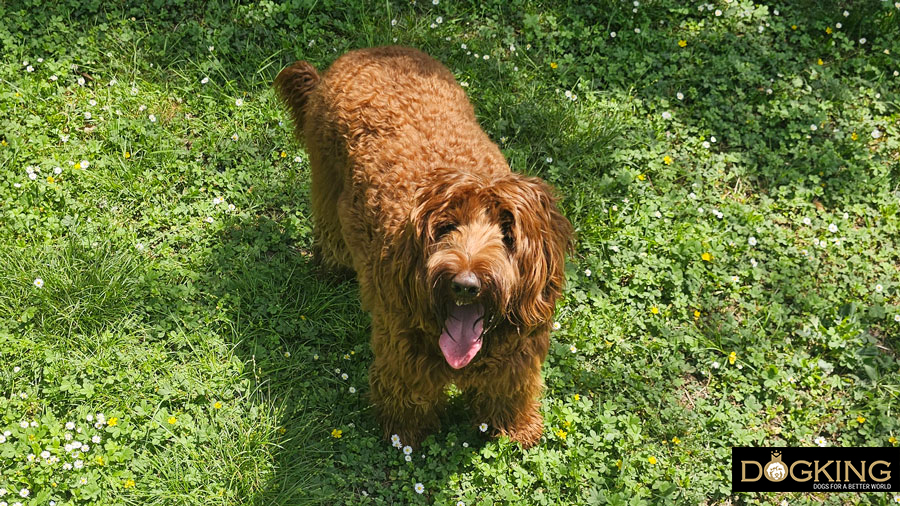
Cognitive dysfunction syndrome in dogs works in a similar way to Alzheimer's in people. It is a chronic, progressive condition that affects neurons and causes a decrease in neurotransmitters. This results in the dog with CDS experiencing problems with learning, memory, orientation and decision-making. Currently, it is estimated that around 14-38% of dogs over the age of 8 years suffer from SCD, while this percentage rises to 50% for senior dogs aged 14 years and older. These figures increase as canine life expectancy increases. However, SCD remains an under-diagnosed condition, as many owners see their dogs' symptoms of absent-mindedness and disorientation as “normal” signs of ageing that they do not consider important.
Table of contents
1. Symptoms of Cognitive Dysfunction Syndrome in Dogs
2. How is canine cognitive dysfunction syndrome (CDS) diagnosed?
3. Which dogs are vulnerable to CDS?
4. How to care for a dog with cognitive dysfunction syndrome?
5. How long does a dog with cognitive dysfunction syndrome live?
Symptoms of cognitive dysfunction syndrome in dogs
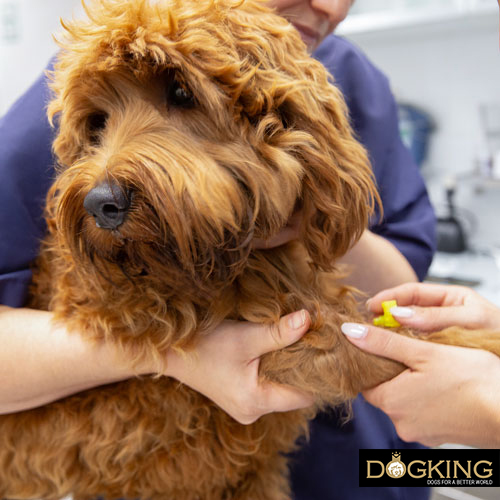
As dogs get older, they become more vulnerable. As in puppyhood, old age requires special attention to any symptoms that indicate that something is wrong with the health of our furry friend. There are some symptoms that are quite characteristic of CDS, but they can also appear in other pathologies. If your pet is older and you notice any of these changes in their behaviour, see your vet as soon as possible for an assessment. In any disease, an early diagnosis greatly improves the evolution, although in this case, as it is a chronic and degenerative pathology, it is even more important to get as far ahead of the curve as possible. These are the most common symptoms of cognitive dysfunction syndrome in dogs:
- Decrease in activity: you will notice that your dog does not enjoy walks as much as before and finds it more difficult to play.
- Disorientation: they get lost or stuck in familiar places, not knowing how to go on. For example, they go out the wrong side of the door or gets ‘stuck’ behind an object instead of avoiding it.
- Changes in temperament: you may notice your furry friend becoming more frustrated, anxious, fearful and may even increase barking or crying.
- Less interaction: Your pet may not seek you out as much for cuddles or greet you as happily when you come home. You will notice that they are more indifferent, although they may also become more dependent and seek more contact. Separation anxiety is more likely to appear at this age.
- Sleep disturbances: they spend the day sleeping and find it difficult to fall asleep at night.
- Lower responsiveness: they do not act as quickly to familiar stimuli such as the doorbell or after receiving a signal from you.
- Memory problems: a dog with CFS may forget learned tricks or behaviours or familiar dogs or people. For example, they may urinate and poo at home because they do not remember learning to do it outside.
How is canine cognitive dysfunction syndrome diagnosed?
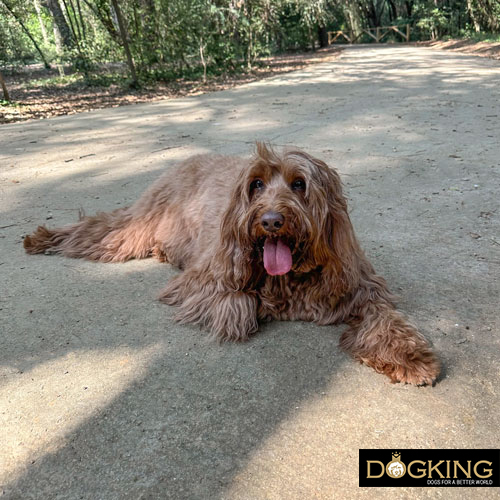
If you notice one or more of these signs in your senior dog, do not hesitate to consult a veterinarian. Many older dogs can suffer from pain that leads to very similar symptoms. In addition, there are different neurological, gastrointestinal, endocrine or cardiovascular pathologies that can also cause them, so a visit to the clinic is vital to find out what is really happening to your senior dog. Even if your dog is older and the lapses seem minor to you, it is better to take precautions, as early diagnosis is very important to slow down the progression of the disease in CDS.
The vet will carry out a physical examination of the dog, interview you about their habits and lifestyle and may carry out analyses, rx imaging tests and, depending on the results, request an MRI to confirm or rule out the diagnosis.
Which dogs are vulnerable to CDS?

As with any other disease, the likelihood of a dog developing CDS varies depending on genetics, environment, breed or even gender. Some studies claim that female dogs are more vulnerable to this neurodegenerative disease. Small dogs, living longer than large dogs, are also more likely to experience this pathology. In addition, a poor diet is known to be associated with alterations in the microbiota and cognitive deficiencies. This is why it is so important to provide your dog with a quality diet adapted to their needs at every stage of their life. Finally, canine anxiety is considered a risk factor in cognitive dysfunction syndrome, as it produces a series of changes in the brain that make them more vulnerable to oxidation and ageing.
How to care for a dog with cognitive dysfunction syndrome?
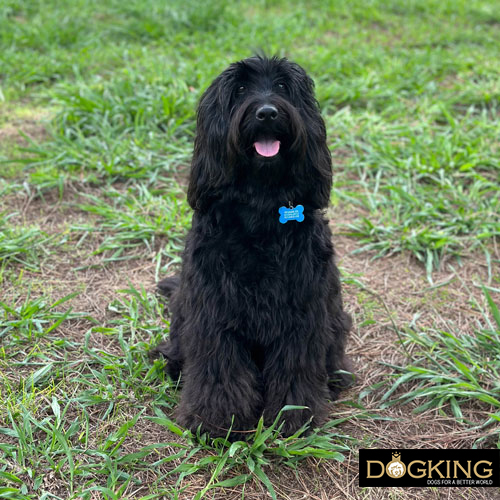
As mentioned above, unfortunately, CDS in dogs cannot be cured. It is a degenerative and progressive disease, so the only therapeutic objective is to slow down its progression as much as possible to ensure that the animal enjoys a good quality of life. Changing their diet may be one of the first changes your vet suggests to care for your dog with CDS. A diet rich in antioxidants, with supplements such as L-carnitine, can help slow the degenerative process. Your vet may also prescribe some drugs, primarily vasodilators and antidepressants.
At home, you can do a lot to help your dog by setting a schedule for walks and meals. Routines are good for all dogs, but for senior dogs, especially if they suffer from CRPS, it is vital as it helps them to avoid stress. On the other hand, it is very important that you continue to stimulate your dog with interactive games that strengthen their memory, such as sniffing games. Oh, and don't forget to keep practising positive reinforcement to stimulate learning.
How long does a dog with cognitive dysfunction syndrome live?

It is difficult to estimate the life expectancy of a dog with CDS. In itself, the disease is not fatal, and with early diagnosis and treatment aimed at slowing the progression of degeneration, a dog can live for years with this pathology with a decent quality of life. If the disease progresses too far and there is no diagnosis or treatment, the animal may also live a long life, but with many problems and discomfort. The aim of treatment for cognitive dysfunction syndrome in older dogs is to extend the animal's life, but always guaranteeing maximum quality of life.
So, now you know, if you have an older dog and you start to notice changes in their behaviour, don't ignore the signs: visit your vet to diagnose the problem and you can offer your furry friend the care they need to live a full and happy life by your side.